
Manmohan Singh: Economist and Prime Minister of India (2004–2014)
Profile of Manmohan Singh: his life, education, role as an economist, Finance Minister, two-term Prime Minister (2004–2014), major policies, controversies, and legacy.
Manmohan Singh (born 26 September 1932) is an Indian economist and statesman who served as Prime Minister of India from 2004 to 2014. Known for his quiet demeanor and academic background, Singh became widely recognized for his role in shaping modern India’s economic policy and for leading two consecutive national administrations. His name appears in regional scripts; see Punjabi and Hindi renderings.
Image gallery
10 Images
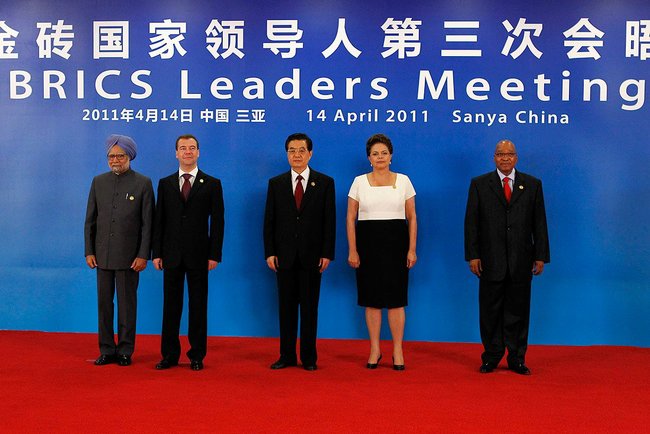


Early life and education
Singh was born in Gah, in the historical Punjab region, then part of British India. The upheaval of the subcontinent’s partition prompted his family to relocate to Indian territory during his childhood, and they later settled in Amritsar. He pursued higher education in economics, studying at Panjab University and earning advanced degrees at St John's College, Cambridge and at Nuffield College, Oxford. His academic training established his reputation as a professional economist before he entered high government office.
Career as an economist and public servant
Before entering politics full time, Singh held academic and policy positions that bridged scholarship and administration. He served in senior economic roles in the Indian government and international bodies, building expertise in macroeconomic management and development planning. His profile rose nationally when he became Finance Minister in the early 1990s, a period during which India moved toward market-oriented reforms and greater integration with the global economy.
Prime Ministership (2004–2014)
As head of government for two consecutive terms, Singh led a coalition administration that pursued a mix of market-friendly and social policies. His premiership coincided with robust periods of economic growth, while also facing the challenges of global financial shifts. Major policy initiatives and events during his tenure included a landmark civilian nuclear agreement with the United States, expansion of rural employment and social welfare schemes, and support for measures intended to increase transparency and governance.
Achievements, challenges, and controversies
- Economic management: Governments he led oversaw periods of significant GDP growth and continued economic reform, although growth rates fluctuated with global conditions.
- Social programs: His administrations advanced large-scale rural employment guarantees and other social-sector policies designed to reduce poverty and improve basic services.
- Diplomacy: The period saw closer strategic engagement with global partners and notable international agreements.
- Criticism: Singh’s government also faced public controversy and allegations of corruption in several high-profile cases, which affected public perception of governance despite attempts at institutional reform.
Personal life and legacy
Singh has been married to Gursharan Kaur since 1958. He is widely regarded for his erudition, restraint in public life, and long-standing commitment to economic policy. Historians and commentators commonly describe him as an influential architect of India’s economic transformation in the late twentieth century and as a figure who brought a technocratic style to political leadership.
For further context on his origins and early references see local and historical sources about Gah and the Partition, and for places associated with his upbringing see Amritsar. Details about his time at university are associated with St John's College, Cambridge and Nuffield College, Oxford. His national role is tied to contemporary histories of India and comparisons with earlier leaders such as Jawaharlal Nehru.
Manmohan Singh’s career bridges scholarship and statecraft and remains a subject of study for those interested in economic reform, coalition politics, and the governance challenges of large, diverse democracies.
Related articles
Author
AlegsaOnline.com Manmohan Singh: Economist and Prime Minister of India (2004–2014) Leandro Alegsa
URL: https://en.alegsaonline.com/art/125773