
Manoel de Oliveira (1908–2015) — Portuguese film director and screenwriter
Manoel de Oliveira was a pioneering Portuguese filmmaker whose career began in the late silent era and continued into his 100s. He made documentaries, features and filmed theatre, and is noted for formal rigor and longevity.
Manoel Cândido Pinto de Oliveira (11 December 1908 – 2 April 2015) was a Portuguese film director and screenwriter whose career spanned more than eight decades. Beginning in 1927, he worked in documentaries, short films and feature-length cinema and continued to make films into his centenarian years. He is widely noted for the longevity of his career and for a distinctive formal approach that repeatedly engaged history, religion and memory. For a concise overview, see official profile.
Image gallery
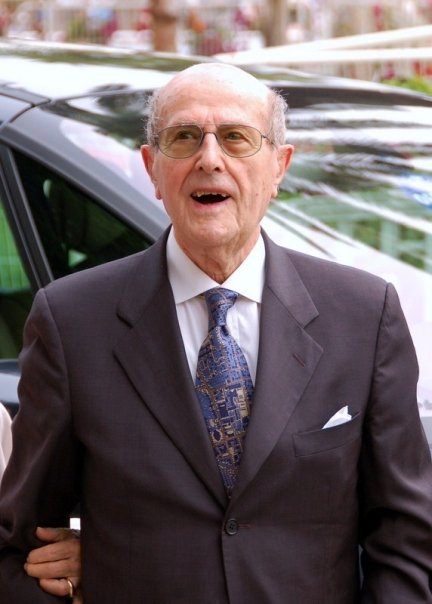
6 Images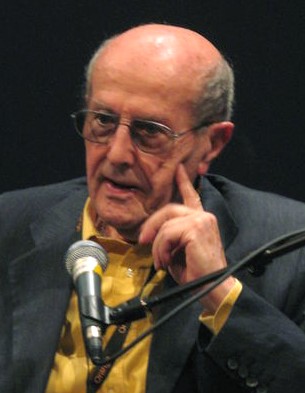


Early life and non‑film pursuits
Born in the Cedofeita parish of Porto and brought up in a Roman Catholic environment, Oliveira combined cultural interests with active sporting pursuits in his youth. He competed in athletics, including the pole vault, and later took part in automobile racing. These early experiences — sporting, technical and urban — informed his eye for movement, timing and physical detail in later films. Local biographical summaries and archival material provide more context here.
Career and development
Oliveira began making films in the late silent era and adapted across technological and stylistic changes in cinema. He worked in a variety of formats: observational shorts and documentaries, filmed theatre, literary adaptations and narrative features. Over time his practice leaned toward long takes, staged performances and a careful, sometimes austere mise‑en‑scène. Rather than following commercial trends, he often pursued projects that reflected on Portuguese society, moral questions and the passage of time. A fuller catalogue of his works can be consulted in comprehensive filmographies here.
Artistic approach and themes
Oliveira is frequently described as a formalist: his films favor steady camera work, precise composition and performances that recall theatrical technique. Recurring concerns include national identity, ethical responsibility, the weight of history and the rituals of private and public life. His mannered pacing and intellectual emphasis sometimes divided critics, generating both admiration and controversy. Collections of interviews and critical essays examine these themes and his methods more closely in scholarly notes.
Recognition and later life
Throughout his long career Oliveira received honours at home and attention abroad; his films were screened at leading international festivals and subject to retrospectives and academic study. He was often the focus of debates about cinematic form, aging in creative practice and the relationship between film and theatre. Material on his awards and festival appearances is gathered in several public resources here.
Personal details and family
Oliveira married Maria Carvalhais on 4 December 1940; the couple had four children, all born in the 1940s. Balancing a family life with an extended creative practice, he remained engaged with filmmaking well into advanced age, becoming one of the oldest people to direct films. For biographical timelines and personal recollections see biographical resources.
Death and legacy
Manoel de Oliveira died in Porto on 2 April 2015 at the age of 106. At the time of his death he was often cited as the second oldest film director in recorded history, after George Abbott. His work continues to be studied in film courses and retrospectives for its singular mix of theatricality, historical reflection and formal discipline. Contemporary obituaries and overviews of his legacy are collected here.
Related articles
Author
AlegsaOnline.com Manoel de Oliveira (1908–2015) — Portuguese film director and screenwriter Leandro Alegsa
URL: https://en.alegsaonline.com/art/125777