
Jawaharlal Nehru: Architect of Modern India and First Prime Minister
Overview of Jawaharlal Nehru (1889–1964), his life, political career, key policies as India’s first prime minister, writings, and lasting influence on Indian democracy and international nonalignment.
Overview
Jawaharlal Nehru (14 November 1889 – 27 May 1964) was a central figure in India’s transition from colonial rule to an independent republic and served as the nation’s first prime minister for nearly seventeen years. A leader of the Indian National Congress, Nehru shaped India’s early institutions, economic strategy, and foreign policy orientation. His public persona and writings also helped define a modern, secular national identity in the decades after independence.
Image gallery
10 Images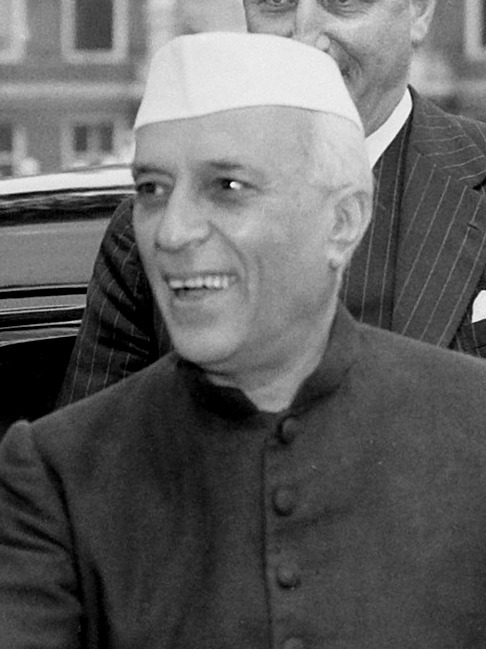
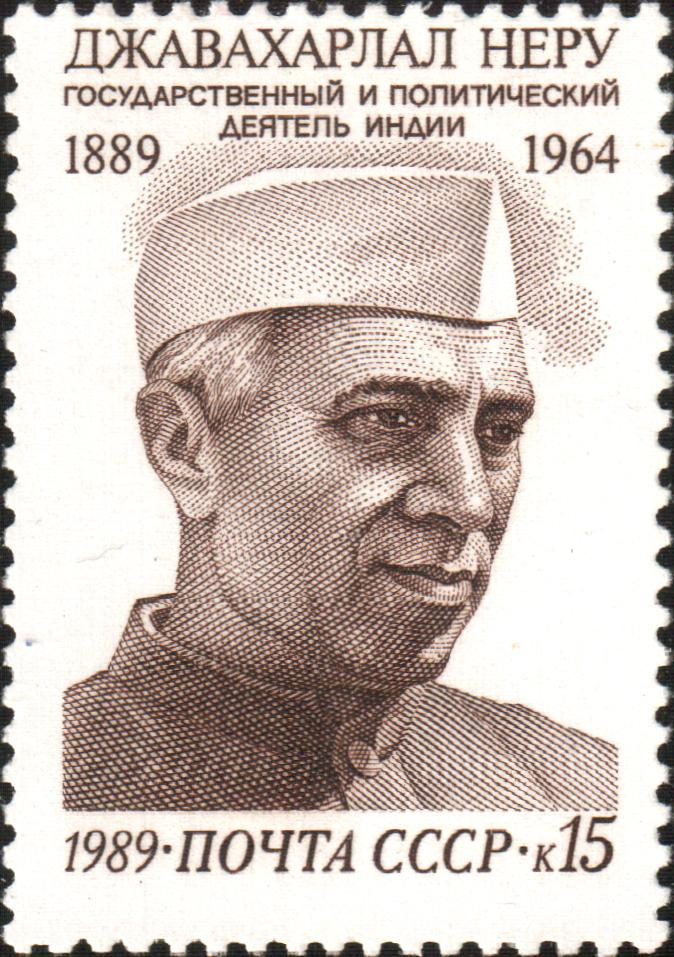


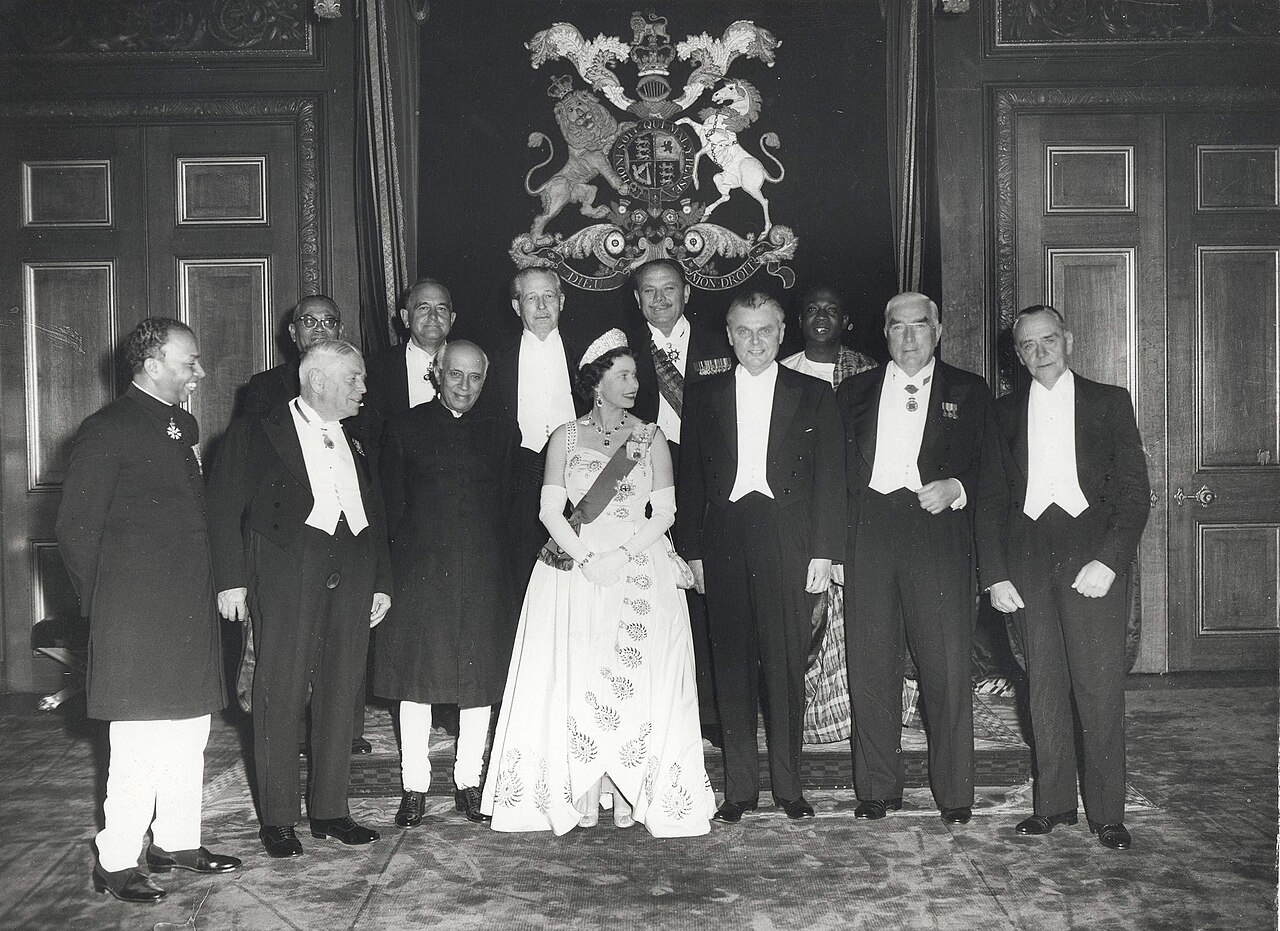
Early life and education
Nehru was born into an affluent and politically active family in Prayagraj (then called Allahabad). His father, Motilal Nehru, was a prominent lawyer and Congress leader. Educated in elite institutions in Britain, Nehru attended Harrow School and later Trinity College, Cambridge, and trained as a barrister at the Inner Temple in London. Returning to India, he entered politics and rose through the ranks of the Indian National Congress, combining constitutional tactics with mass mobilisation under the influence of Mahatma Gandhi.
Political career and role in independence
Nehru became a key leader of the independence movement and a close collaborator of Gandhi, though he often differed on tactics and long-term goals. He spent several spells in prison during the struggle against the British Raj, periods during which he wrote extensively. After independence in 1947 he assumed office as the Prime Minister of India when the new nation emerged from colonial rule. His government faced immediate challenges including communal violence, refugee resettlement and the integration of princely states into the Indian Union.
Policies, institutions and governance
Nehru’s administration established core institutions and policy directions that persisted for decades. Key features included:
- Planned economic development: adoption of Five-Year Plans, emphasis on heavy industry, state-led investment and a mixed economy model often described as Nehruvian socialism.
- Democratic institutions: strengthening a parliamentary system, an independent judiciary and civil service to sustain pluralist governance in a diverse society.
- Foreign policy: leadership in the Non-Aligned Movement and a diplomatic stance aimed at maintaining independence from Cold War blocs.
- Science and education: promotion of higher education, research institutions and technical training to build human capital and industrial capacity.
Writings, personal life and later years
While imprisoned, Nehru composed extensive letters and essays to his daughter Indira Gandhi; many of these were later published as The Discovery of India and Glimpses of World History, works that reflect his broad historical interests and humanist outlook. He spent his final years tackling the ongoing tasks of nation building, though his tenure also encountered setbacks such as the 1962 Sino-Indian war and debates over economic direction. Nehru died in New Delhi on 27 May 1964.
Legacy and assessment
Nehru’s impact is visible across India’s political, educational and industrial landscape. Supporters credit him with establishing a secular democratic framework, expanding scientific and technical capacity, and positioning India as an independent voice in world affairs. Critics point to the limits of state-controlled economic policies, bureaucratic inertia, and strategic miscalculations. Today his life and work remain subjects of study and debate, and his role as the first leader of independent India continues to shape public memory and institutional practices.
For further reading on his birthplace and personal background see resources linked to Prayagraj, and for information on his death and later commemorations consult sources associated with New Delhi.
Related articles
Author
AlegsaOnline.com Jawaharlal Nehru: Architect of Modern India and First Prime Minister Leandro Alegsa
URL: https://en.alegsaonline.com/art/121580
Sources
- Jawaharlal Nehru
- news.bbc.co.uk : BBC ON THIS DAY | 27 | 1964: Light goes out in India as Nehru dies
- inc.in : "Indian National Congress"
- dnaindia.com : "Nation pays tribute to Pandit Jawaharlal Nehru on his 124th birth anniversary"
- hindu.com : "The Hindu : Young World : From dad with love:"
- wikidata.orgQ1047.html : wikidata.orgq1047.html
- authority.bibsys.no : 90053215
- bncatalogo.cl : 000107947
- catalogo.bne.es : XX1033941
- catalogue.bnf.fr : cb120929039
- data.bnf.fr : (data)
- cantic.bnc.cat : a1018644x
- ci.nii.ac.jp : DA00595203
- d-nb.info : 118586866
- isni.org : 0000 0000 8127 3684