
Fernando Henrique Cardoso
Brazilian sociologist and politician who served as President of Brazil (1995–2002), known for economic stabilization, founding the PSDB, and shaping Brazil's post-1990s policy direction.
Overview
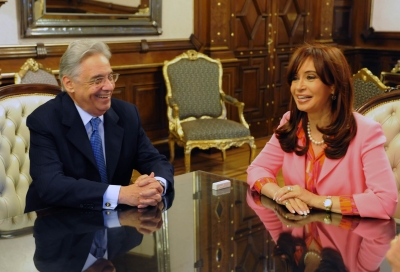
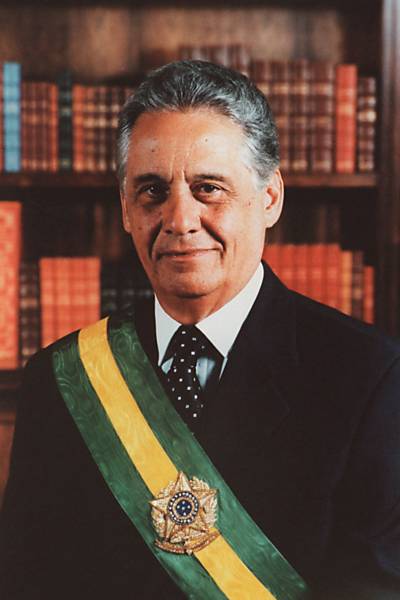
Fernando Henrique Cardoso (born June 18, 1931), commonly referred to by his initials FHC, is a Brazilian sociologist, academic and politician who served two terms as President of Brazil from January 1, 1995 to December 31, 2002. He rose to prominence as an intellectual and public figure before entering national politics and is widely associated with the stabilization of Brazil's economy in the 1990s and with the creation of the Brazilian Social Democracy Party (PSDB).
Image gallery
10 Images


Background and academic career
Cardoso trained and worked as a sociologist and has published on development, dependency theory and Latin American societies. Before his presidency he held university positions, contributed to public debate through books and essays, and built a reputation as an independent scholar engaged with policy. His academic background shaped his approach to governance, combining social analysis with pragmatic policy priorities.
Political rise and the PSDB
In the late 1980s Cardoso helped found the Brazilian Social Democracy Party (PSDB), which occupied a central role in Brazil's party system through the 1990s and 2000s. He served in elective and appointed offices at state and national levels prior to his election as president. As a party leader he positioned himself between social-democratic ideas and market-oriented reforms, advocating institutional stability and economic modernization.
Presidency: stabilization and reforms
Cardoso's presidency is best known for the political backing and consolidation of the measures that brought an end to decades of high inflation and currency instability. The period included policies aimed at fiscal discipline, monetary control and structural reforms. His administrations pursued privatizations of some state enterprises, regulatory changes, and measures intended to integrate Brazil more deeply into regional and global markets.
Policies, achievements and criticisms
- Achievements: consolidation of currency stability, institutional strengthening, professionalizing parts of the public sector, and active diplomacy in regional forums.
- Economic and social policies: a mix of market-oriented reforms and targeted social programs; efforts to reduce inflation and attract investment were central.
- Criticisms: opponents and some analysts argue that reforms increased inequality, prioritized macroeconomic goals over social needs, or did not fully address structural poverty.
Later life and legacy
After leaving office Cardoso remained active as an elder statesman: he has written, spoken at international fora, and participated in debates on democracy, development and global governance. His legacy is contested but unmistakable: he presided over a key transition in Brazil’s modern economic history and left a lasting imprint on the country's institutions and political life. For more detailed profiles and archival materials see Fernando Henrique Cardoso and resources on the Presidency of Brazil.
Related articles
Author
AlegsaOnline.com Fernando Henrique Cardoso Leandro Alegsa
URL: https://en.alegsaonline.com/art/118927
Sources
- fundacionprincipedeasturias.org : Fernando Henrique Cardoso