
President of Brazil
The president of Brazil is the nation's head of state and government. This article summarizes the office, duties, election rules, history, residence and notable features of the presidency.
The president of Brazil is the chief public official of the Federative Republic of Brazil and combines the functions of head of state and head of government. In Portuguese the office is often called Presidente do Brasil or formally Presidente da República Federativa do Brasil. The role is central to national leadership, international representation and the direction of federal policy in Brazil.
Image gallery
10 Images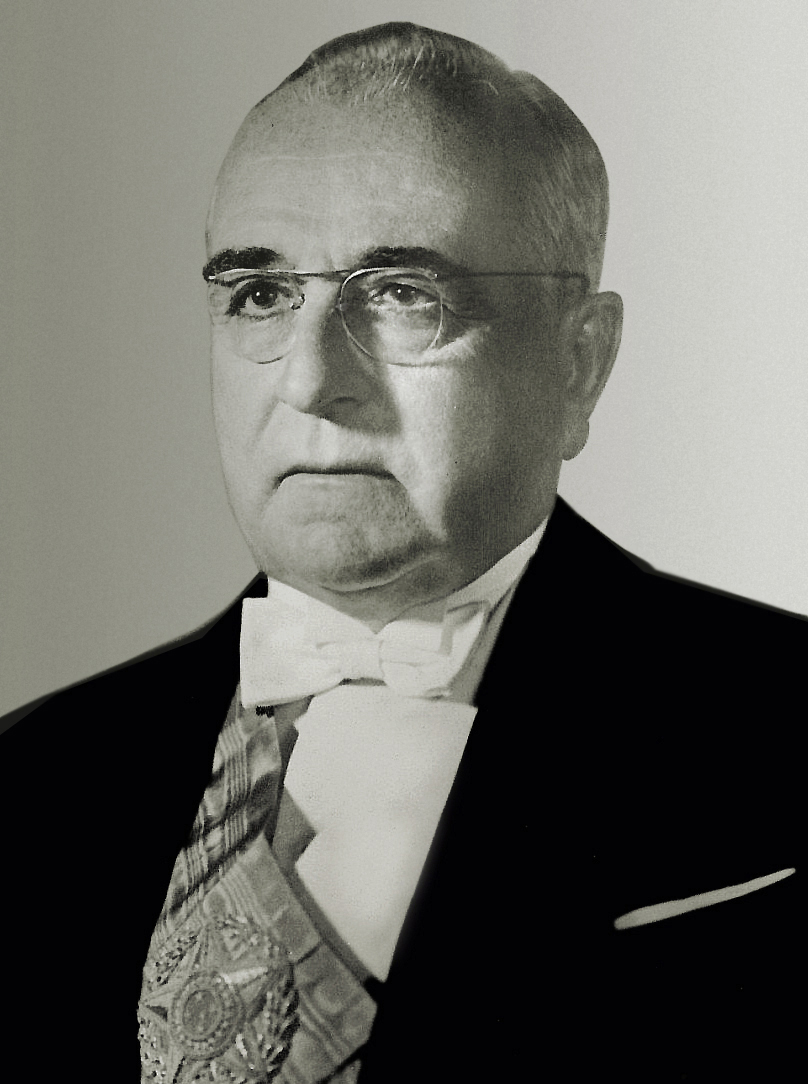


Role and responsibilities
The president directs the executive branch, sets policy priorities, and is Commander-in-Chief of the armed forces. Key authorities include nominating cabinet ministers, submitting the federal budget, signing or vetoing legislation, and issuing provisional measures in urgent situations. The office also represents the country abroad and receives foreign envoys. Many day-to-day duties are carried out through ministers and federal agencies under presidential supervision.
Election, term and eligibility
Brazilian presidents are elected by direct popular vote. The constitution establishes a four-year term with the possibility of one consecutive re-election. Candidates must meet age and citizenship requirements defined by law. The electoral process includes a two-round runoff if no candidate achieves an absolute majority in the first round.
Notable powers (summary)
- Executive leadership: appoint and remove ministers and senior officials.
- Legislative interaction: propose bills, veto measures, issue provisional measures.
- Foreign affairs: negotiate treaties and represent Brazil internationally.
- Defense: command the armed forces and oversee national security policy.
Prominent recent holders illustrate the office's political importance. For example, Jair Bolsonaro served a term marked by contentious domestic and international policies, and Luiz Inácio Lula da Silva served earlier and returned to the presidency, highlighting electoral competitiveness and democratic transition in the country.
History, residence and distinctions
The presidential institution dates from the proclamation of the republic in 1889 and has evolved through periods of civilian rule and military government. The president's official workplace is the Palácio do Planalto in the capital, while the official residence is the Palácio da Alvorada. Unlike some parliamentary systems, Brazil concentrates head-of-state and head-of-government functions in a single office, which distinguishes its semi-presidential and presidential features from other republican systems.
For further background on constitutional powers, succession and recent elections, see dedicated resources and official publications, including explanations in Portuguese on the office's formal style and contemporary occupants, such as the term head of state and the concept of head of government.
Related articles
Author
AlegsaOnline.com President of Brazil Leandro Alegsa
URL: https://en.alegsaonline.com/art/78808