
Workers' Party (Brazil)
A major left-wing Brazilian party founded in 1980, known for democratic-socialist roots, large social programs, and having produced presidents including Lula and Dilma.

The Workers' Party, known in Portuguese as the Partido dos Trabalhadores, is a prominent left-wing political party in Brazil. It was formed as a broad alliance of trade unionists, intellectuals, community activists and progressive Christians. The party's public identity has emphasized labor rights, social inclusion and expanded public services. Observers typically characterize it as part of the democratic socialist and social democratic tradition; links with democratic socialism and social democracy have shaped its platforms, while some members draw on Christian-left or labourist perspectives.
Image gallery
9 Images


Founding and early development
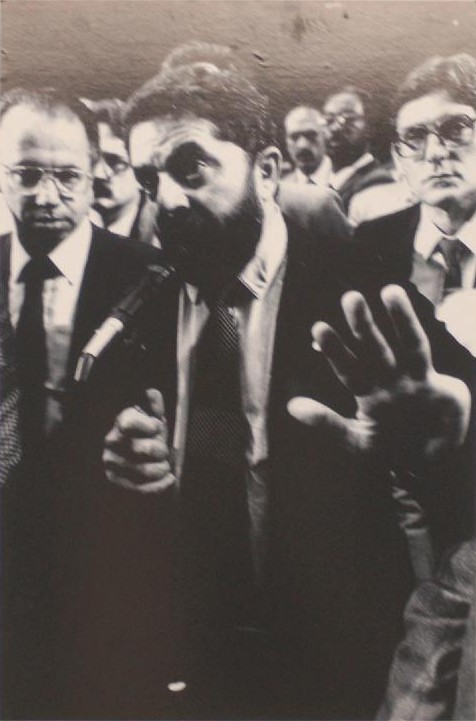
The party was founded in the city of São Paulo in 1980 during the final years of Brazil's military regime. Its creation brought together leaders from labor movements and intellectual circles, among them activists such as Paul Singer. Over the 1980s and 1990s the organization grew from a grassroots movement into a national party by building municipal and state-level coalitions and contesting legislative contests. Its emphasis on participatory decision-making and close ties to unions distinguished it from older parties.
Ideology, structure and policies
The party's program combines a commitment to worker and social welfare policies with support for democratic institutions. It has promoted policies aimed at poverty reduction, income transfer programs, expanded access to education and public health, and progressive labor legislation. Internally, the party operates through national congresses and local branches, and it has historically balanced a range of currents—from trade unionists to academics and community organizers—within its ranks.
Electoral success and governance
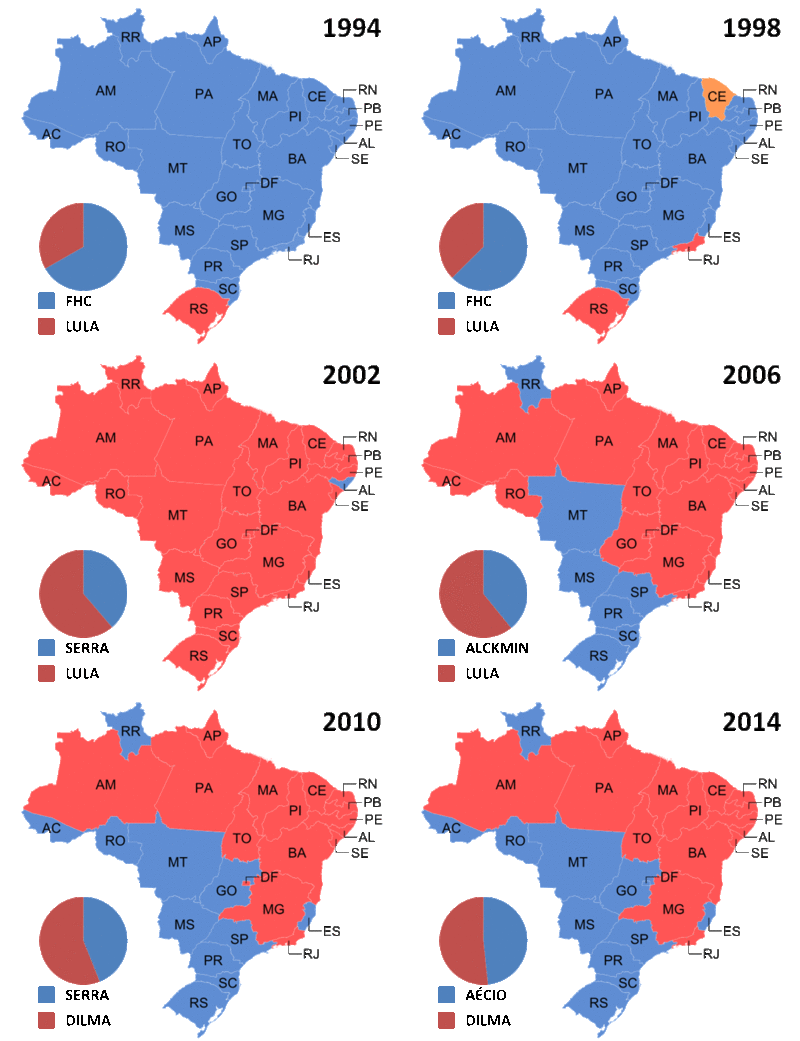
Beginning in the late 1990s and especially after 2002, the party became one of Brazil's most electorally successful forces. Two presidents who emerged from its ranks—commonly referenced together in analyses—are Luiz Inácio Lula da Silva and Dilma Rousseff, reflecting its ability to translate grass-roots support into national office. The party has also shown strong regional performances at different times, registering significant wins in states such as Rio de Janeiro and Minas Gerais. Its time in government is noted for programs that sought to expand buying power among lower-income citizens and for attempts to increase Brazil's international profile.
Support base and public perception
Electoral coalitions and policy initiatives gave the party substantial backing among poorer voters, rural beneficiaries of social programs, and sections of the urban working class. At various points it also attracted support from progressive middle-class voters and organized social movements. Public perception has been mixed: supporters praise its social programs and focus on inequality, while critics have pointed to governance challenges and episodes of political controversy.
Notable figures, distinctions and contemporary relevance
- Key figures: two presidents and many national and regional leaders who shaped policy and party practice.
- Distinctive features: strong ties to labor unions, emphasis on participatory politics and a programmatic focus on social inclusion.
- Continuing role: the party remains an influential actor in Brazil's plural party system, active in both electoral politics and social debates.
For further reading on the party's history, ideology and electoral record consult specialized works and primary sources that document its evolution from a movement to a governing party. Academic studies and contemporary reporting provide detailed accounts of its policy choices, internal dynamics and the broader political context in which it operates.
Left-wing perspectives, organizational histories and regional election analyses offer additional perspectives on the party's changing role within Brazil's political landscape.
Questions and answers
Q: What is the Workers' Party?
A: The Workers' Party (PT) is a left-wing political party in Brazil.
Q: What principles does the party follow?
A: The party follows democratic socialist principles.
Q: Who founded the Workers' Party?
A: The party was founded on 10 February 1980 in São Paulo by Paul Singer.
Q: How popular is the Workers' Party in Brazil?
A: The party has been one of the most popular parties in Brazil since 2003.
Q: Which Brazilian presidents have been members of the Workers' Party?
A: Luiz Inácio Lula da Silva and Dilma Rousseff have been members of the Workers' Party.
Q: In which states has the Workers' Party won every presidential election?
A: The Workers' Party won every presidential election in Rio de Janeiro from 1998 to 2014 and in Minas Gerais from 2002 to 2014.
Q: Who supported Dilma Rousseff in the 2010 election?
A: Dilma Rousseff received a lot of support from poor Brazilians and also had a majority of support from Catholics in the 2010 election.
Related articles
Author
AlegsaOnline.com Workers' Party (Brazil) Leandro Alegsa
URL: https://en.alegsaonline.com/art/109057
Sources
- noticias.terra.com.br : "Saiba mais sobre a história do PT"
- politica.estadao.com.br : Entre mais pobres, Dilma teve 26 pontos de folga