
Li Keqiang — Chinese economist and former Premier (1955–2023)
Overview of Li Keqiang, his education, rise in the Communist Party, premiership (2013–2023), economic policies and legacy in modern Chinese governance.
Overview
Li Keqiang (born 1 July 1955) was a Chinese politician and economist who served as Premier of the People's Republic of China from 2013 to 2023. As head of the State Council he was the country’s chief administrative officer and, during much of his tenure, ranked second in the party-state hierarchy behind Xi Jinping. His career combined academic training in law and economics with decades of experience in provincial administration and central government.
Image gallery
10 Images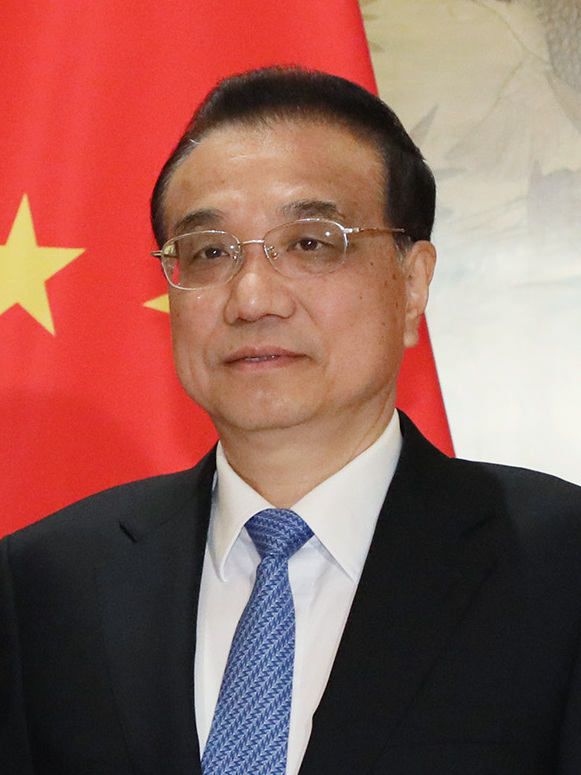

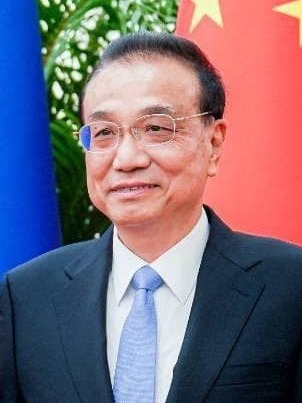


Name, background and education
His personal name follows modern Chinese name conventions: the family name is Li. The standard romanization of his name is given in pinyin and rendered in some references with pronunciation guides like Lǐ Kèqiáng. Li was born in 1955 and joined the Communist Party of China (CPC) in May 1976. He studied at Peking University, where he earned a bachelor’s degree in law and later completed advanced studies in economics. He became a member of the CPC Central Committee in 1997 and remained part of the party’s senior leadership for many years.
Political rise and offices held
Li advanced through both youth and provincial ranks before moving into national leadership. He held senior roles in several provinces and was associated with leaders who rose through the Communist Youth League. In 2012 he entered the Politburo Standing Committee, the party’s top decision-making body, and in March 2013 he was appointed Premier and party secretary of the State Council.
- Joined the Communist Party: May 1976
- Member of the CPC Central Committee: since 1997
- Politburo Standing Committee member: from 2012
- Premier of the State Council: 2013–2023
Policies and governance
As Premier Li focused on economic management, promoting market-oriented reforms, stabilizing growth and addressing financial risks. Analysts and commentators sometimes referred to his approach as "Likonomics," a shorthand for a mix of measures intended to rebalance the economy, reduce excess industrial capacity, and support enterprise and employment. His administration handled fiscal and monetary responses to slowdowns in growth and took a central role in organizing government measures during crises, including the COVID-19 pandemic and its economic aftermath.
Reputation and legacy
Domestically and internationally Li was seen as a pragmatic administrator with expertise in economic affairs. He represented a generation of leaders with technical training who emphasized steady reform and administrative competence. His long career in the party and government left a record of initiatives and policies that remain part of debates about China’s economic direction. Reports indicate he died on 27 October 2023, a fact noted in contemporary coverage of recent Chinese politics.
Notable facts and references
Some of Li’s public writings and speeches addressed legal and economic reform; a few pieces have appeared under alternate names in informal settings, and his work has been cited in studies of post‑Mao leadership transitions. For concise biographical or policy summaries consult general reference sources and analyses by scholars of modern China, government archives and official biographies published by state institutions. People’s Republic of China governance overviews and party records provide detailed timelines and official statements about his roles, while external analyses offer context for his economic policies.
Further reading and primary-source materials are available through official and academic channels: for institutional profiles see government publications, party communiqués and university research centers that collect speeches and policy papers.
Related entries and contextual topics include the structure of the Chinese state and party, the Politburo Standing Committee, and the evolution of economic policymaking in China. For background on naming and romanization see guides to pinyin and Chinese personal names. For university affiliations and academic work see materials related to Peking University.
Additional reference links: Chinese names, surname Li, pronunciation guide, Xi Jinping, PRC.
Related articles
Author
AlegsaOnline.com Li Keqiang — Chinese economist and former Premier (1955–2023) Leandro Alegsa
URL: https://en.alegsaonline.com/art/125279