
Li Yuan-tsu (1923–2017), Vice President of the Republic of China
Li Yuan-tsu was a Taiwanese statesman of Hakka origin who served as the eighth Vice President of the Republic of China under Lee Teng-hui during Taiwan's transition toward democratic institutions.
Overview
李元簇 (Lǐ Yuáncù; September 24, 1923 – March 8, 2017) was a politician who became the eighth Vice President of the Republic of China (Taiwan). He served as vice president during the administration of Lee Teng-hui and is often described in contemporary accounts as a steady, consensus-oriented public figure during a period of political reform and social change on the island.
Image gallery
3 Images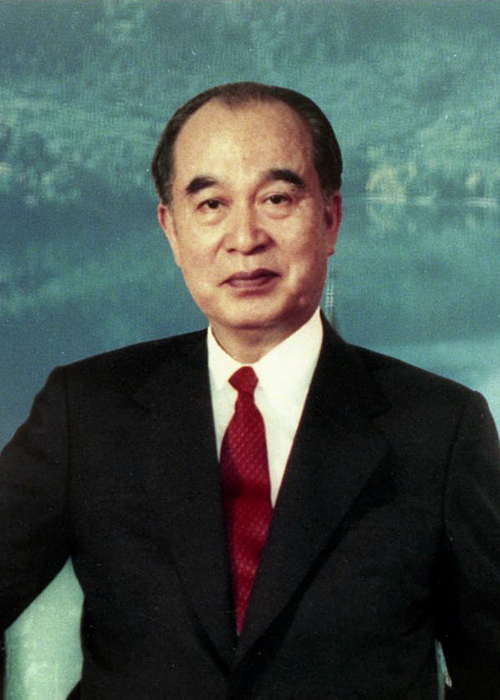


Early life and background
Li was born in Pingjiang, Hunan, and his family background places him among the many mainland-born Chinese who later made their lives and careers in Taiwan. Biographical summaries routinely note his Hakka ancestry, an ethnolinguistic community with a distinct cultural identity that has been influential in parts of southern China and in Taiwan (Hakka). His place of birth is recorded in official biographies as Pingjiang, Hunan.
Political career and vice presidency
Li rose through public service to occupy senior posts in the government of the Republic of China and was selected as vice president during a time when Taiwan was deepening its democratic transition. He served as vice president from 1990 to 1996 under President Lee Teng-hui. In that role Li performed constitutionally prescribed functions, represented the presidency on formal occasions and events, and acted as a constitutional successor if required. Observers typically characterize his tenure as that of a ceremonial and conciliatory officeholder rather than a leading architect of partisan policy change.
Context and significance
Li's term came after significant shifts in Taiwan's political environment, including the lifting of martial law in the late 1980s and the emergence of competitive elections and pluralist politics. As a vice president who came from a mainland-born background and who also identified with Hakka cultural roots, Li's public image intersected with wider conversations about identity, migration and social cohesion on the island. Scholars and journalists have described figures like him as part of the generation that helped manage an orderly transfer of political power and institutional reform.
Later life, legacy and death
Following his service as vice president, Li remained a respected elder statesman and a subject of historical interest in accounts of late 20th-century Taiwanese politics. He did not play a prominent partisan role after leaving office, but his career is cited in studies that examine the institutional consolidation of Taiwan's democratic practices. Li died in Toufen, Taiwan, on March 8, 2017, at the age of 93; contemporary reports attributed his death to kidney failure (kidney failure).
- Known primarily as the eighth Vice President of the Republic of China.
- Of Hakka ancestry, noted in many biographical summaries (Hakka).
- Born in Pingjiang, Hunan and later active in Taiwan's public service.
- Served as vice president under Lee Teng-hui during a key period of democratic development.
- Death reported in 2017 and attributed to kidney failure.
For name and official forms see biographical entries in Chinese (李元簇) and pinyin (Lǐ Yuáncù). Additional summary profiles and archival material on his career can be found in public records and contemporary news accounts of Taiwan's political transition (politician profile and records).
Related articles
Author
AlegsaOnline.com Li Yuan-tsu (1923–2017), Vice President of the Republic of China Leandro Alegsa
URL: https://en.alegsaonline.com/art/125285