
Li Wenliang (1986–2020) — Chinese ophthalmologist who warned of COVID-19
Li Wenliang, a Wuhan ophthalmologist, was among the first to warn colleagues about a SARS‑like outbreak in December 2019. He was reprimanded by authorities, later contracted COVID‑19 and died, prompting public outcry.
Overview
Li Wenliang (李文亮, Lǐ Wénliàng; 12 October 1986 – 6 February 2020) was a Chinese ophthalmologist at Wuhan Central Hospital. In late December 2019 he privately warned fellow medical staff about a cluster of pneumonia cases with similarities to severe acute respiratory syndrome (SARS). His messages circulated more widely, and his treatment by authorities, subsequent infection and death made him an international symbol of the early human cost of the pandemic and of debates over transparency.
Image gallery
3 Images

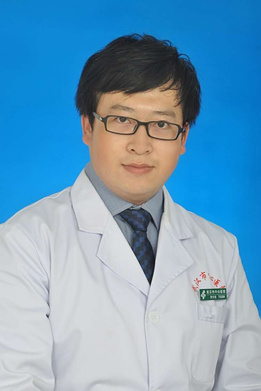
Early life and medical career
Li trained and worked as an ophthalmologist in Wuhan. He practiced clinical medicine in a hospital setting, treating eye conditions and performing routine patient care. His professional role placed him among frontline hospital staff who encountered a range of patients during the initial outbreak in Wuhan.
Role in the early COVID‑19 warnings
On 30 December 2019 Li alerted a group of medical colleagues about an unusual cluster of infections. His warning identified a possible respiratory illness with features resembling SARS and urged caution. In early January 2020 local police summoned and reprimanded him for "making false comments on the Internet"; reports indicate he was required to sign a statement acknowledging the admonition. Li later returned to clinical duties.
Infection, death and immediate response
After treating patients at his hospital Li Wenliang contracted the novel coronavirus and was admitted for treatment. He tested positive for the infection and died on 6 February 2020 at the age of 33. His illness and death were widely reported and drew substantial public attention both within China and internationally.
Legacy and significance
Li's situation highlighted several broader issues: the occupational risk faced by healthcare workers during emerging infectious disease outbreaks; the speed at which medical observations can spread through social and professional networks; and public concerns over information management in crises. His death sparked widespread expressions of grief and criticism online, and prompted official statements and commentary about the handling of early warnings.
Notable facts
- He is often described as one of the first clinicians to raise alarm about the illness later identified as COVID‑19.
- His case became emblematic in discussions of transparency and the treatment of whistleblowers in public health emergencies.
- Public reaction to his death included tributes, calls for accountability, and debate about safeguards for health workers and information flow during outbreaks.
Further reading and primary-language references can be found through resources linked in the outline above. The story of Li Wenliang continues to be cited in analyses of pandemic preparedness, professional ethics, and the relationship between public health reporting and governance.
Related articles
Author
AlegsaOnline.com Li Wenliang (1986–2020) — Chinese ophthalmologist who warned of COVID-19 Leandro Alegsa
URL: https://en.alegsaonline.com/art/125283