
Li Peng: Chinese Premier and Chairman of the National People's Congress
Li Peng (1928–2019) was a Chinese politician who served as Premier (1987–1998) and later as Chairman of the National People’s Congress. His career combined technocratic engineering roots with a conservative political reputation.
Overview
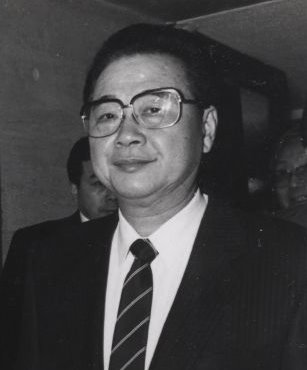
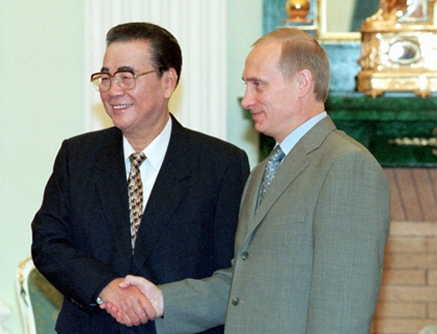
Li Peng (20 October 1928 – 22 July 2019) was a senior Chinese official who served as the fourth Premier of the People’s Republic of China from 1987 to 1998 and later as Chairman of the Standing Committee of the National People’s Congress from 1998 to 2003. During the 1990s he was commonly regarded as one of the top leaders of the Communist Party of China, often ranked immediately after the General Secretary, and he retained a seat on the party’s Politburo Standing Committee until 2002. He died in Beijing in 2019 at age 90; news reports noted he had been ill.
Image gallery
4 Images

Early life and technical background
Born in 1928, Li trained as an engineer and built his early career in the energy and power sectors. His technical education and administrative work in electricity and hydropower shaped his reputation as a technocrat. Before becoming Premier he served in ministries related to power and as vice premier, where his managerial background influenced infrastructure policy and state planning. For background on the offices he held, see the official summaries of the Chinese government and party roles and personnel lists.
Premiership and political stance
As Premier Li oversaw economic management during a period of accelerated market reform and opening. He was generally seen as politically conservative within the leadership, emphasizing social stability, state control of key industries and cautious approaches to rapid market liberalization. He supported major state-led infrastructure projects, including large hydropower initiatives that aimed to expand electricity supplies and industrial capacity.
1989 protests and controversy
Li’s tenure is closely associated with the national crisis of 1989. In that year he played a prominent role in government decisions and actions that have been widely discussed and debated both within China and internationally. His involvement in the imposition of martial measures in Beijing and in the government response to the protests made him a figure of enduring controversy and shaped much of his later reputation.
Later career, legacy and assessments
After leaving the premiership in 1998 Li became chairman of the National People’s Congress, China’s top legislative body, a position he held until 2003. Scholars and commentators characterize his legacy as mixed: credited with administrative competence and advocacy for large-scale infrastructure, criticized for conservative policies and his role in the 1989 political crackdown. His long career illustrates the influence of technocratic leaders within the Communist Party and the tensions between economic reform and political control. Further institutional context is available through legislative histories and biographies found at legislative records and other reference collections on party leadership.
Key positions
- Premier of the People’s Republic of China (1987–1998)
- Chairman, Standing Committee of the National People’s Congress (1998–2003)
- Member, Politburo Standing Committee until 2002
Related articles
Author
AlegsaOnline.com Li Peng: Chinese Premier and Chairman of the National People's Congress Leandro Alegsa
URL: https://en.alegsaonline.com/art/125281