
Bob Clampett: Animator, Director and Puppeteer of the Golden Age
Profile of Robert 'Bob' Clampett (1913–1984), American animator and puppeteer known for lively Warner Bros. cartoons, the Beany and Cecil franchise, bold visual style, and contested claims about cartoon characters.
Robert Emerson "Bob" Clampett (May 8, 1913 – May 2, 1984) was an American animator, director, producer and puppeteer who played a prominent role in the development of studio animation during the 1930s–1950s. Born in San Diego, he became known for energetic, exaggerated cartoon motion and surreal visual gags that helped define the look of many Warner Bros. shorts.
Image gallery
3 Images

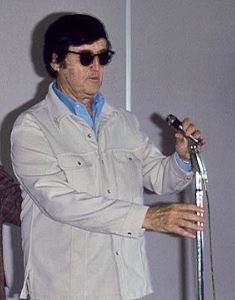
Overview
Clampett began his career in newspaper cartoons and briefly worked at Disney before joining early animation units such as Harman-Ising and then the Leon Schlesinger studio, which produced the Looney Tunes and Merrie Melodies series. Over decades he wore many hats—story artist, director and producer—and later transitioned to television puppetry and animation for younger audiences, most notably the Beany and Cecil franchise.
Style and techniques
Clampett's work is marked by daring timing, extreme squash-and-stretch, and an appetite for visual invention. He favored brisk pacing, wild character poses, and transformations that pushed cartoon physics. Critics and historians often cite his films as exemplars of the more anarchic side of American animation, emphasizing freedom of motion and caricature over photographic realism.
Career highlights and projects
- Early animation work at Harman-Ising and the Warners studio, contributing to the evolution of Looney Tunes and Merrie Melodies.
- Direction and production of many theatrical shorts that shaped the personalities of recurring characters and comedic rhythm.
- Creation and performance of puppet-based programming, later developed into animated adaptations such as Time for Beany and the televised Beany and Cecil series.
Controversies and legacy
Clampett sometimes claimed credit for the early development of major characters including Porky Pig, Daffy Duck and Bugs Bunny; some of these attributions are disputed by other artists and historians because character creation often involved teams. Regardless of authorship debates, his influence on the medium is widely acknowledged: younger animators and scholars point to his fearless imagination and rhythmic editing as formative. In later years he spoke and lectured about the craft, preserving memories of the era.
Clampett died on May 2, 1984 in Detroit, Michigan. Today he is remembered both for his distinctive cartoons and for bridging theatrical animation and early television puppetry. For further reading on animation history and Clampett's contributions, see general surveys of the Golden Age of American animation and retrospectives that examine his films, techniques and the debates around character authorship.
Sources and discussions about Clampett's life, credits and television work can be found in studio histories, interviews with contemporaries and collections of classic cartoons. Scholars continue to assess his body of work for its technical daring, comedic timing and influence on subsequent generations of animators and filmmakers.
Additional references: biographies, archival interviews and curated retrospectives provide more detail on specific shorts, television episodes and Clampett's collaborators; see general resources on animation history and studio records for corroborated credits and timelines.
Animator | Director | Producer | Puppeteer | Beany and Cecil | Time for Beany | Beany series | Animation history | San Diego | Detroit | Michigan
Related articles
Author
AlegsaOnline.com Bob Clampett: Animator, Director and Puppeteer of the Golden Age Leandro Alegsa
URL: https://en.alegsaonline.com/art/12477
Sources
- sensesofcinema.com : "Bob Clampett, Senses of Cinema"