
Bugs Bunny: history, character, and cultural legacy
Bugs Bunny is the best-known Warner Bros. cartoon rabbit, famous for his wit, catchphrases and starring role in Looney Tunes and Merrie Melodies shorts. This article covers his creation, traits, and legacy.
Bugs Bunny is a fictional animated rabbit who became the signature star of Warner Bros.'s Looney Tunes and Merrie Melodies series. Introduced in a recognizable form around 1940, he quickly established a comic persona built on cleverness, calm confidence, and a tendency to outwit his opponents. The character appears in short films, feature compilations, television programs, advertising and merchandising, and remains one of the most enduring figures in 20th‑century popular culture.
Image gallery
9 Images


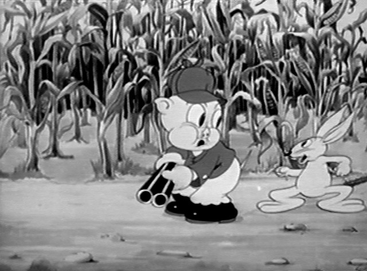


Character and appearance
Bugs is usually portrayed as an urbane, unflappable trickster who uses speech, props and timing rather than brute force. He is frequently seen nibbling a carrot, which reinforces a casual, conversational style: many gags begin as if he were addressing the audience. His speech is commonly described as Northeastern American in tone—an accent associated with New York and nearby regions—and he is known for dropping or softening final Rs. Signature lines include the conversational greeting made famous early in his career and other recurring quips that signal his amused superiority.
Creation and development
Bugs Bunny grew out of a series of experimental characters and prototype rabbits used by Warner Bros. animators during the 1930s. The persona that became Bugs was shaped by several directors and writers, and refined in a landmark short released in 1940 that set the template for his behavior and look. The character's voice and timing were closely associated with a single prominent voice actor, and visual gags and character beats were further developed by a rotating team of directors. Elements of his delivery and comedic timing have often been linked to popular stage and film comedians of the era, a resemblance that was deliberate and contributed to his broad appeal.
- Creators and contributors: a group of studio animators and directors contributed to Bugs’s early form, refining his design and personality.
- Influences: comic performers from vaudeville and early film comedy shaped aspects of his manner and delivery—writers often cite a resemblance to a well‑known comic of the time.
- Recurring devices: disguise, role reversal, wordplay and deliberate misdirection are hallmarks of Bugs’s routines.
Bugs regularly shares the screen with other recurring characters, sometimes as foil and sometimes as rival. His most famous sparring partner is a boastful duck whose chaotic temperament contrasts with Bugs’s unruffled cleverness. He also faces hunters and blustering adversaries who serve as the straight men to his schemes.
- Daffy Duck — frequent co-star and occasional antagonist.
- Elmer Fudd, Yosemite Sam and other comic adversaries — characters who pursue Bugs or challenge him in plot-driven shorts.
Over the decades Bugs has appeared in hundreds of shorts and numerous later adaptations. Some of the cartoons in which he appears received industry recognition, including prestigious awards, and his image has been used for publicity and merchandising around the world. He functions both as a comic archetype—the savvy trickster who exposes greed or foolishness—and as a cultural symbol of American animation's golden age.
Notable aspects of Bugs’s cultural footprint include being honored on a major public commemorative walk and serving as an iconic rival to contemporary characters from other studios. He has been discussed in film and media studies as an example of personality animation: a figure whose distinct voice, gestures and timing create a recognizable identity across many short subjects and decades.
For further contextual reading about the cartoons, their creators and the broader studio history, consult dedicated reference sources on animation and the mid‑20th century film industry. The character’s long career makes him a frequent subject in studies of popular entertainment and American humor.
References and recognition: the character is associated with Academy Award–winning shorts in the studio’s catalogue and holds a place among the early animated figures honored with a star on the Hollywood Walk of Fame, following another globally recognized mouse character. For official studio background and archival material, see studio histories and curated collections.
Additional resources and official retrospectives can be found through studio archives and reference sites that document classic animation; see also biographies of key voice performers and directors who shaped the character’s voice and timing.
Academy Award • Warner Bros. • famous catchphrases • comedic influences • Walk of Fame • Mickey Mouse
Related articles
Author
AlegsaOnline.com Bugs Bunny: history, character, and cultural legacy Leandro Alegsa
URL: https://en.alegsaonline.com/art/15163