
Kyu Sakamoto: life, career and legacy of a Japanese pop singer
Overview of Kyu Sakamoto (坂本九), the Japanese singer and actor whose 1963 hit 'Sukiyaki' achieved rare international success, and the life, death and legacy that followed.
Overview
Kyu Sakamoto (坂本九), born Hisashi Ōshima, was a Japanese singer and actor who became an international symbol of postwar Japanese popular music. He was born on December 10, 1941 in the greater Tokyo region and rose to prominence in the early 1960s with a string of hit recordings.
Image gallery
3 Images

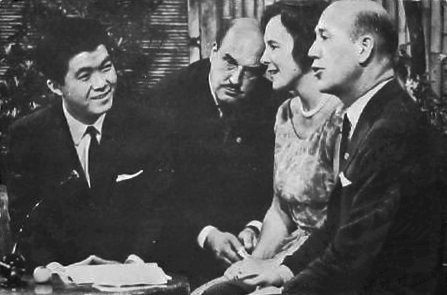
Early life and musical beginnings
Sakamoto began performing as a teenager, joining vocal groups and appearing on radio and television. His clear tenor voice and approachable image helped him cross from local fame to national recognition in Japan. He recorded a variety of songs ranging from ballads to upbeat pop, often blending Western pop influences with Japanese melodies and phrasing.
Major work: "Sukiyaki"
His best-known record is the song internationally titled "Sukiyaki" (original Japanese title: 上を向いて歩こう, literally "I look up as I walk"). Released in Japan in 1961 and introduced abroad later, the song reached No. 1 on music charts in the United States in June 1963 and became one of the first Japanese-language recordings to sell widely outside Japan. Its simple, melancholic melody and universally relatable lyric themes helped it cross language barriers.
Acting and other pursuits
In addition to singing, Sakamoto worked as an actor and television personality. He performed in film and on stage, and continued to record music throughout the 1960s and 1970s. His repertoire included both original material and covers adapted for Japanese audiences, and he remained a popular figure in entertainment until his untimely death.
Death and legacy
Sakamoto died on August 12, 1985 when he was among the passengers killed in the crash of Japan Airlines Flight 123. The accident ended a celebrated career but also prompted renewed interest in his recordings. Today he is remembered both in Japan and internationally for bringing Japanese pop music to a global audience.
Notable facts
- He was born and raised in the Kanagawa area (Kanagawa), part of the greater Tokyo region.
- "Sukiyaki" is often cited as one of the few non-English songs to top U.S. charts in the 20th century.
- His stage name, written as 坂本九, became more widely known than his birth name.
For readers seeking recordings or further biographical details, catalogues and archives of 1960s Japanese popular music provide useful starting points. His work remains a frequent reference in discussions of cultural exchange and the global reach of popular song in the postwar era.
Related articles
Author
AlegsaOnline.com Kyu Sakamoto: life, career and legacy of a Japanese pop singer Leandro Alegsa
URL: https://en.alegsaonline.com/art/123935
Sources
- billboard-japan.com : "今から50年前、全米を制したのは日本の音楽だった。 | Special"
- jijiphoto.jp : "特集:日航ジャンボ機墜落事故"
- sakamoto-kyu.com : "Single Record"