
László Sólyom: Hungarian jurist, librarian and head of state
László Sólyom (born 3 January 1942) is a Hungarian jurist, librarian and politician who served as President of Hungary from 2005 to 2010 and played a leading role in post‑Communist constitutional law.
László Sólyom (born 3 January 1942) is a Hungarian jurist, librarian and public figure best known for serving as President of Hungary from 2005 to 2010. A trained lawyer and academic, Sólyom gained prominence as an authority on constitutional law and the role of courts in protecting fundamental rights. His name is often rendered in Hungarian as Sólyom László and pronunciation guides are available at pronunciation resources.
Image gallery
5 Images


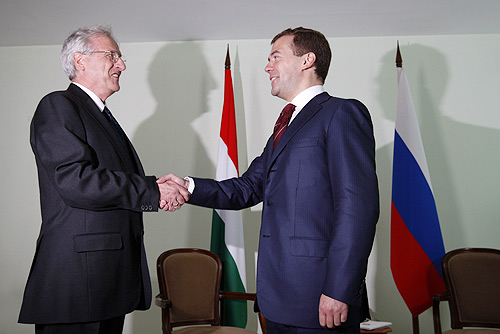
Career and contributions
Sólyom's career combined scholarship, judicial service and public office. He established a reputation in the study and practice of constitutional review and separation of powers. During the 1990s he led Hungary's Constitutional Court at a formative time when the country was consolidating democratic institutions and adapting legal structures after the end of one‑party rule. Colleagues and commentators regard him as a defender of judicial independence and of civic liberties.
Presidency (2005–2010)
As head of state Sólyom served as a non‑partisan president elected by the national assembly. His tenure emphasized the symbolic and legal guardianship of the constitution: he used his formal powers to review legislation, to draw attention to human rights issues and to stress the importance of constitutional norms in public life. Observers noted his scholarly approach to the office and a tendency to insist on careful legal reasoning when confronting political questions.
Roles and wider work
- Lawyer and constitutional scholar who published on judicial review and rights protection.
- Former head of the Constitutional Court who helped shape post‑Communist jurisprudence.
- Public servant and politician whose presidency was marked by a commitment to legal norms and civic debate.
Beyond office, Sólyom's influence is seen in debates over the balance between legislative majorities and constitutional constraints. His legacy is frequently discussed in studies of Hungary's legal transition and in evaluations of how constitutions function in emerging democracies. For further general reference see linked resources and standard works on modern Hungarian constitutional history.
Related articles
Author
AlegsaOnline.com László Sólyom: Hungarian jurist, librarian and head of state Leandro Alegsa
URL: https://en.alegsaonline.com/art/123940
Sources
- budapester.hu : 'Kein Ende in Sicht,'