
Kurt Eisner: Bavarian socialist leader who proclaimed the Free State of Bavaria
Kurt Eisner (1867–1919) was a German-Jewish socialist journalist and politician who led Bavaria's 1918 revolution, became its first republican head of government and was assassinated in 1919.
Overview
Kurt Eisner (14 May 1867 – 21 February 1919) was a German socialist journalist and politician best known for leading the November 1918 revolution in Bavaria that ended Wittelsbach rule and for proclaiming the Free State of Bavaria. Born in Berlin, he later lived and worked in Munich and became a prominent figure in Bavarian and national socialist politics. He is often cited in sociological literature — notably by Max Weber — as an example of charismatic political leadership. Eisner was of Jewish descent and active in the broader German socialist movement.
Image gallery
3 Images

Early life and career
Eisner trained and worked as a journalist and public intellectual, engaging with socialist ideas and republican politics. He contributed to debates about war, democracy and social reform in Germany, combining political agitation with reporting and commentary. His writing and organizing brought him into contact with several socialist currents, and he moved from the mainstream Social Democratic circles toward the more radical Independent Social Democratic tendency during the First World War.
Role in the 1918 revolution and government
As the German Empire collapsed in November 1918, Eisner organized and led mass protests and a political uprising that forced the Bavarian monarchy to abdicate. He announced Bavaria’s transition to a republic and headed a provisional government as minister-president. His supporters sought immediate social and political reforms, aiming to replace monarchical structures with democratic and socialized institutions. During this period he is widely described as a key figure in the Bavarian branch of the broader revolutionary wave that transformed postwar Germany.
Assassination and aftermath
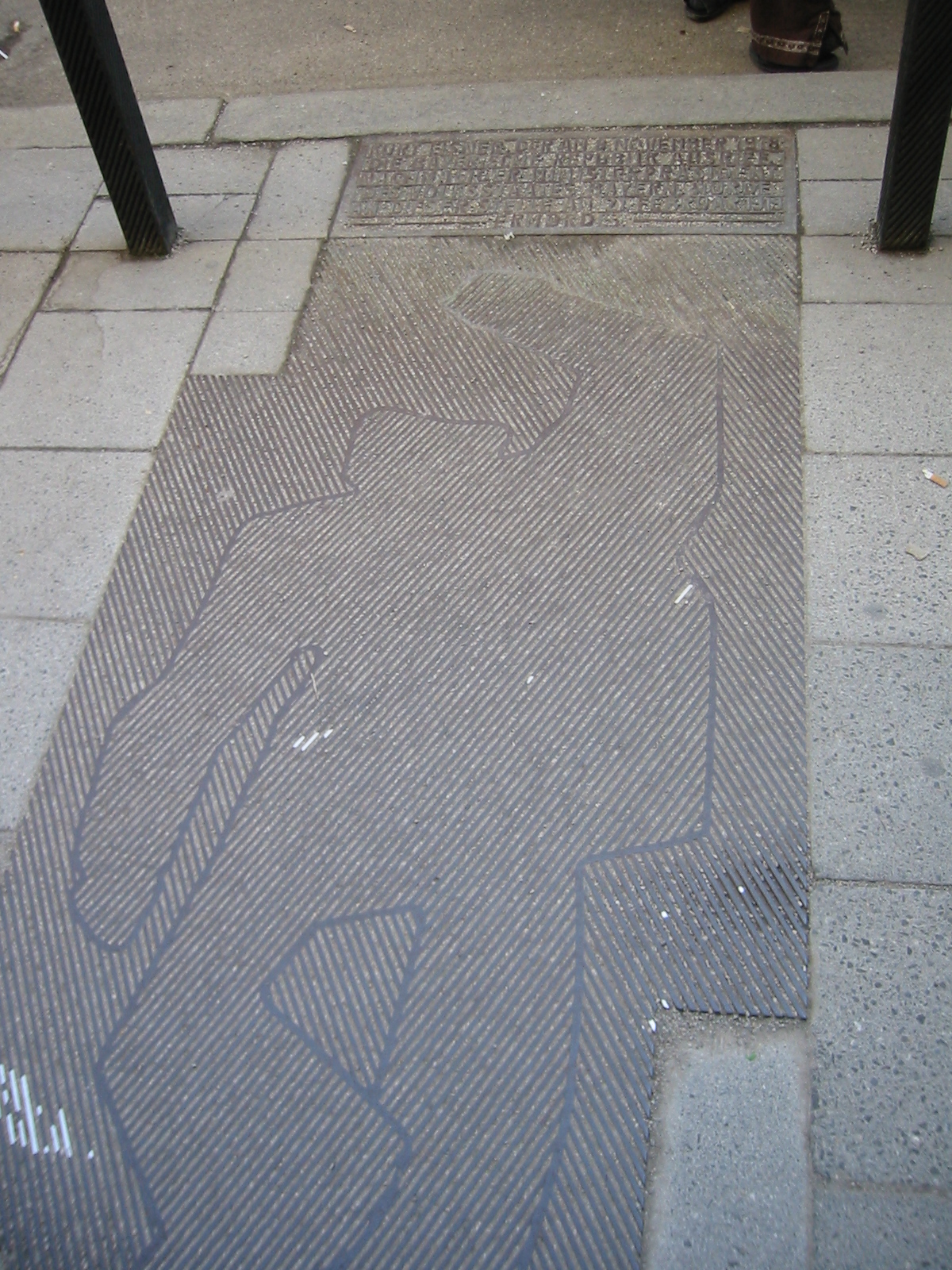
On 21 February 1919 Eisner was assassinated in Munich by a right-wing nationalist; his death produced intense political turmoil. The killing catalyzed radicalization on the left, contributed to the short-lived proclamation of the Bavarian Soviet Republic, and preceded a harsh counter-reaction by government forces and paramilitary units. The sequence of events in Bavaria became part of the larger unsettled landscape of postwar German politics.
Legacy and significance
Eisner’s importance lies in his role as both a practical organizer of revolution and as a symbol of the tumultuous transition from empire to republic. He appears in historical accounts as an emblematic figure of early 20th-century socialist politics in Bavaria, and in political theory as an instance of charismatic leadership. He worked as a journalist and public advocate for social change and is sometimes framed in biographies and studies of political leadership during revolutions. Modern assessments emphasize both his reformist goals and the violent polarization that followed his assassination.
Key facts
- Born: 14 May 1867 in Berlin.
- Political role: leader of Bavaria’s 1918 revolution and first republican head of its government.
- Occupation: journalist and political organizer in Germany.
- Death: assassinated 21 February 1919 in Munich.
- Heritage: of Jewish descent; associated with Bavarian and national socialist movements.
For further reading consult specialized biographies and histories of the German Revolution of 1918–1919 and studies of social democracy in Bavaria and nationwide. Additional archival and scholarly resources provide more detailed chronologies and interpretations of Eisner’s political life and the volatile period that followed his murder.
Related articles
Author
AlegsaOnline.com Kurt Eisner: Bavarian socialist leader who proclaimed the Free State of Bavaria Leandro Alegsa
URL: https://en.alegsaonline.com/art/123904
Sources
- britannica.com : Britannica-KurtEisner
- Kurt Eisner