
Kwame Kilpatrick: Detroit mayor, political rise, and criminal convictions
Profile of Kwame Kilpatrick, former Detroit mayor and Michigan state representative, his political career, scandals, federal convictions, and later commutation of his sentence.
Overview
Kwame Malik Kilpatrick (born June 8, 1970) is an American politician who served as a Michigan state representative and as mayor of Detroit. He rose to prominence as a young, energetic Democratic leader and became mayor in 2002. His administration and personal conduct were the subject of extensive public attention and legal scrutiny during and after his time in office. For background on his party affiliation and early profile see Democratic Party and contemporary reports of his career as a politician.
Image gallery
7 Images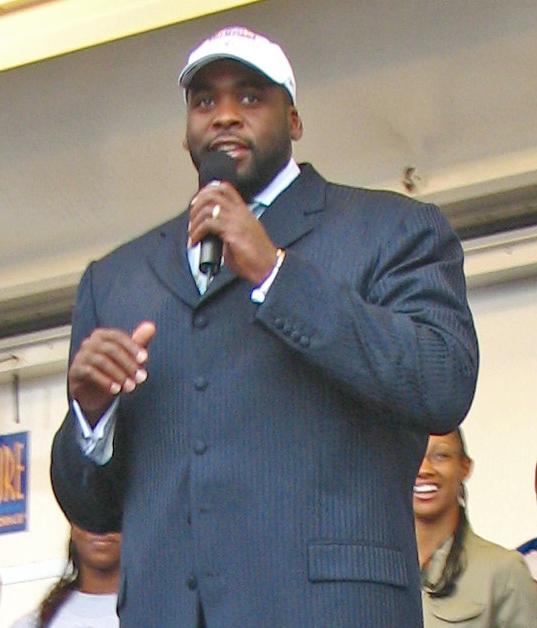


Political career
Kilpatrick began his public career in the Michigan legislature and was later elected mayor of Detroit, a position he held from 2002 until his resignation in 2008. During his tenure he promoted economic development initiatives and often framed himself as a reforming, youthful figure. He had previously served as a state representative and led a high-profile mayoral administration in Detroit. Supporters credited him with energy and outreach to business and civic leaders, while critics raised concerns about management and accountability.
Controversies and legal cases
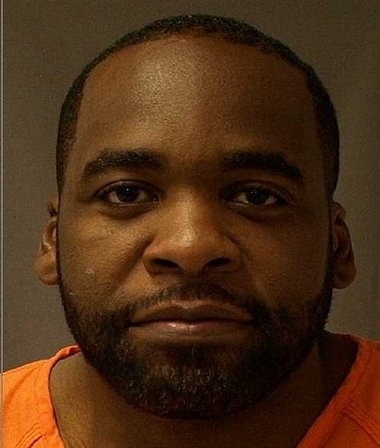
Kilpatrick's career was overshadowed by scandals involving misuse of city resources, conflicts with the city council, and the release of private text messages that led to allegations of lying under oath. These events contributed to his resignation in 2008. He later faced both state and federal investigations. In 2013 he was convicted on multiple federal counts related to corruption, including charges often described as racketeering, bribery, extortion and fraud, and received a lengthy prison sentence. The federal case drew national attention and raised questions about municipal governance and oversight; reporting and court records provide further detail on specific counts and rulings (legal summaries).
Sentencing and later developments
After his conviction, Kilpatrick was sent to federal custody in eastern Michigan to serve the sentence imposed by the court. His case remained in the public eye through appeals and requests for sentence relief. In early 2021 his federal prison sentence was commuted by the President, an action that resulted in his release from custody. The commutation did not vacate convictions but ended the remaining term of imprisonment.
Legacy and significance
Kilpatrick's rise and fall illustrate tensions common to urban politics: the promise of reform and economic renewal, the pressures of municipal management, and the consequences of ethical failures. His story prompted discussion about city oversight, the role of political leadership in struggling post-industrial municipalities, and the legal mechanisms used to address public corruption. For accounts of his time in municipal office and the aftermath, see contemporary profiles and analyses of his mayoralty and trials (mayoral records, Detroit coverage, state legislative history).
- Born: June 8, 1970.
- Party: Democrat.
- Roles: Michigan state representative; mayor of Detroit (2002–2008).
- Legal outcome: Federal convictions and a lengthy sentence, later commuted in 2021; see legal summaries.
Related articles
Author
AlegsaOnline.com Kwame Kilpatrick: Detroit mayor, political rise, and criminal convictions Leandro Alegsa
URL: https://en.alegsaonline.com/art/123913
Sources
- reuters.com : "Kwame Kilpatrick"
- freep.com : "Corruption No More"
- wxyz.com : "Kwame Kilpatrick and Bobby Ferguson in Federal Prison"