
Kurt Waldheim: Austrian diplomat, UN Secretary‑General and president
A concise encyclopedic profile of Kurt Waldheim (1918–2007), his diplomatic career, service as UN Secretary‑General, contested wartime record and disputed legacy as President of Austria.
Kurt Josef Waldheim (21 December 1918 – 14 June 2007) was an Austrian diplomat and conservative politician who served as Secretary‑General of the United Nations from 1972 to 1981 and later as President of Austria from 1986 to 1992. He is remembered both for a long career in international diplomacy and for a controversy about his wartime activities that affected his reputation and Austria's international relations.
Image gallery
5 Images

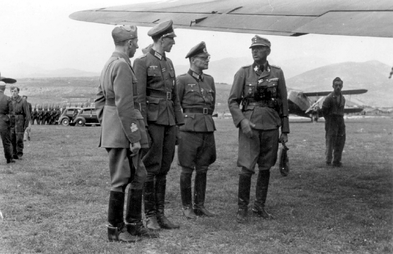


Overview of career
Waldheim spent much of his professional life in the foreign service and in international organizations. As Secretary‑General he presided over the UN during a tense period of the Cold War and represented the organization in many diplomatic settings. After two terms at the UN he returned to Austrian politics and won the largely ceremonial post of president, where he served a single term.
Wartime record and public controversy
During his 1986 presidential campaign, questions emerged about Waldheim's service in the German armed forces during World War II. These allegations prompted investigative reporting, international scrutiny and responses from several governments and institutions. The controversy led to formal inquiries and affected travel and diplomatic relations in some countries, making the wartime record a central and polarizing issue in discussions of his life.
Importance and criticisms
Supporters point to Waldheim's administrative experience at the UN and his long service in diplomacy. Critics argue that the wartime allegations, and the way they were handled, raised moral and legal questions about accountability and historical memory in Austria and beyond. The episode became a reference point for debates about how democracies address difficult aspects of national pasts.
Notable facts
- He held two of the highest-profile offices in international and national public life: UN Secretary‑General and Austrian President.
- The controversy over his World War II service generated diplomatic consequences and intense media coverage.
- Assessments of his legacy remain divided: some emphasize diplomatic accomplishments, others the unresolved questions about his wartime record.
For further reading about his life and the debates surrounding it, see general resources on postwar Austrian politics and the history of the United Nations. Contemporary reports and official statements from national governments and international bodies provide primary material on the investigations and reactions to the wartime allegations. Additional context on Austria's postwar society and the role of the presidency can clarify why the controversy carried such public resonance. More on political context and Austria are useful starting points for readers exploring these themes.
If researching primary documents or archival material, consult historical collections and institutional records, including those of the United Nations and Austrian national archives. For a concise biographical entry, see standard reference works on 20th‑century diplomats and heads of state. Presidential records and UN reports also shed light on his official activities and public statements during his terms in office.
Questions and answers
Q: Who was Kurt Waldheim?
A: Kurt Waldheim was an Austrian diplomat and conservative politician.
Q: What positions did Waldheim hold throughout his career?
A: Waldheim was Secretary-General of the United Nations from 1972 to 1981, and President of Austria from 1986 to 1992.
Q: When was Waldheim born and when did he die?
A: Waldheim was born on December 21, 1918, and he died on June 14, 2007.
Q: What was Waldheim's role as Secretary-General of the United Nations?
A: As Secretary-General of the United Nations, Waldheim was responsible for overseeing the international organization's efforts and coordinating its activities.
Q: What political philosophy did Waldheim advocate for?
A: Waldheim was a conservative politician, meaning he believed in traditional values and a limited role for government.
Q: Was Waldheim's tenure as President of Austria well-received?
A: Waldheim's presidency was not without controversy; he faced accusations of complicity in war crimes during World War II, which led several countries, including the United States, to impose diplomatic sanctions on Austria.
Q: Who succeeded Waldheim as President of Austria after his resignation in 1992?
A: Thomas Klestil succeeded Waldheim as President of Austria after his resignation in 1992.
Related articles
Author
AlegsaOnline.com Kurt Waldheim: Austrian diplomat, UN Secretary‑General and president Leandro Alegsa
URL: https://en.alegsaonline.com/art/123909
Sources
- nytimes.com : "Kurt Waldheim"
- findarticles.com : "Kurt Waldheim: man of mystery"
- washingtonpost.com : Reports: Ex-UN Chief Waldheim Dead at 88