
Kurt Schumacher (1895–1952) — German Social Democratic leader
Overview of Kurt Schumacher, his life, political career, persecution under the Nazis, role rebuilding the SPD after World War II, and his legacy as West Germany’s first postwar opposition leader.
Overview
Kurt Schumacher (13 October 1895 – 20 August 1952) was a prominent German politician and the principal leader of the Social Democratic Party of Germany (SPD) in the immediate post‑World War II period. Severely wounded in the First World War and active in parliamentary politics during the Weimar era, Schumacher became a symbol of democratic resistance to Nazism and later led the SPD in West Germany as it reconstituted itself and confronted the challenges of reconstruction and the emerging Cold War.
Image gallery
7 Images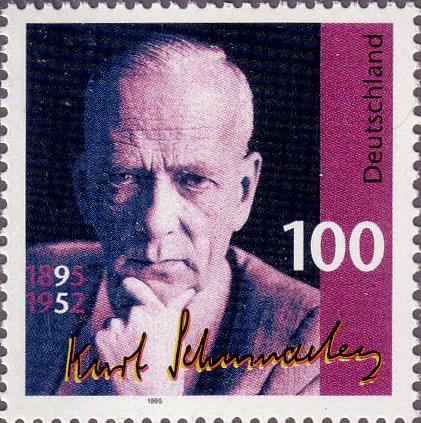


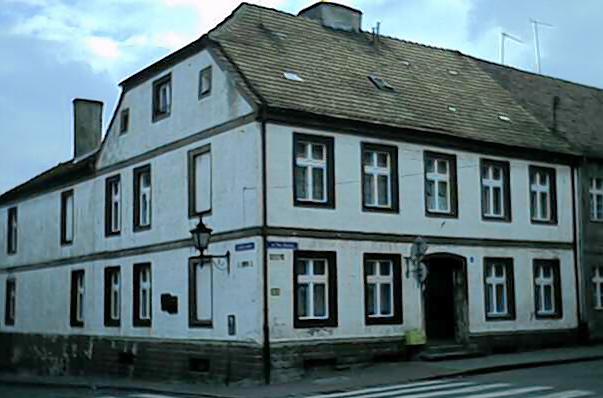
Early life and formative experiences
Born in Kulm in what was then West Prussia, Schumacher left school to serve in the German army during World War I. He suffered a grave wound in 1914 that resulted in the loss of an arm. After the war he studied law and political science in Berlin and became active in the labour movement and socialist politics. During the 1920s he established a reputation as a disciplined organizer and an effective parliamentarian at the regional and later national level.
Political career before 1933
During the Weimar Republic Schumacher served in regional legislatures and, from 1930, as an elected member of the national parliament, the Reichstag. He rose to leadership positions within the SPD at the regional level and was known for his commitment to social democracy as a parliamentary and party practice. His views emphasized democratic institutions, social welfare, and opposition to both authoritarian right‑wing forces and revolutionary communism.
Persecution under the Nazi regime
Following the Nazi seizure of power in 1933, Schumacher was arrested and repeatedly detained. He was subjected to brutal treatment, imprisoned at times in concentration camps, and endured long periods of incarceration. Ill health and the severity of his wounds shaped his later release in 1943, but he was detained again in 1944 and remained in captivity until liberation in 1945. His imprisonment and survival made him a widely recognized figure of anti‑Nazi resistance within the SPD and among democrats after the war.
Rebuilding the SPD and postwar leadership
After the end of World War II Schumacher played a central role in reestablishing the Social Democratic Party in the Western occupation zones. In 1946 he became national leader of the SPD and, with the creation of the Federal Republic of Germany, served as the SPD’s parliamentary speaker and first leader of the opposition in the Bundestag from 1949 until his death in 1952. He worked to reassert the SPD’s identity as a mass democratic party, to shape social policy in reconstruction, and to define the party’s stance during the early Cold War.
Legacy and notable aspects
Kurt Schumacher is remembered as a forceful voice for democratic socialism in Germany’s difficult transition from dictatorship to democracy. His experiences of wartime injury and Nazi persecution informed his moral authority, while his insistence on the SPD’s independence from both fascist and communist currents helped define West German social democracy. He died in Bonn in 1952 while still serving as party leader, leaving a legacy as one of the principal figures in rebuilding Germany’s democratic party system after 1945.
Selected links and further reading
- Place of birth and regional history
- Bonn and postwar government seat
- The German political landscape
- Biography and parliamentary service
- World War I context
- Education and early life
- Military service records
- Berlin: centre of Weimar and postwar politics
- Legal training and professions
- Study of political ideas
- Socialist movement and ideology
- Election history
- Legislative institutions in Germany
- National political developments
- Reichstag membership and role
- Arrests and legal persecution
- Treatment in detention
- Concentration camps and imprisonment
- Health and releases from detention
- Liberation and Allied occupation
- Postwar Europe and reconstruction
- SPD organisation in West Germany
Questions and answers
Q: When was Kurt Schumacher born?
A: Kurt Schumacher was born on 13 October 1895 in Kulm, West Prussia (now Chełmno in Poland).
Q: What did he do when World War I started?
A: When World War I started, he left school to join the German army.
Q: How did his arm become injured?
A: In December 1914, he was badly hurt and had to have his arm removed.
Q: What did he study while at school in Berlin?
A: While at school in Berlin, he studied Law and politics.
Q: When was Schumacher elected to the national legislature (Reichstag)?
A: In 1930, Schumacher was elected to the national legislature (Reichstag).
Q: How long was Schumacher imprisoned by the Nazis?
A: He was imprisoned by the Nazis for ten years.
Q: Who set him free from concentration camps after WWII?
A: The British set him free from concentration camps after WWII.
Related articles
Author
AlegsaOnline.com Kurt Schumacher (1895–1952) — German Social Democratic leader Leandro Alegsa
URL: https://en.alegsaonline.com/art/123907