
Kira Muratova: filmmaker known for elliptical style and sharp social satire
Kira Muratova (1934–2018) was a Soviet‑era and Ukrainian film director, screenwriter and actress celebrated for an idiosyncratic cinematic language, dark humor, and films that provoked censorship and later international acclaim.
Overview
Kira Georgievna Muratova (née Korotkova; 5 November 1934 – 6 June 2018) was a film director, screenwriter and occasional actress whose work spanned the late Soviet period and the post‑Soviet era. Her name and films are known across linguistic communities: in Russian, Romanian and Ukrainian sources she is cited with local transliterations. She worked professionally during the Soviet years and continued to make provocative cinema in both Russia and Ukraine.
Image gallery
1 Image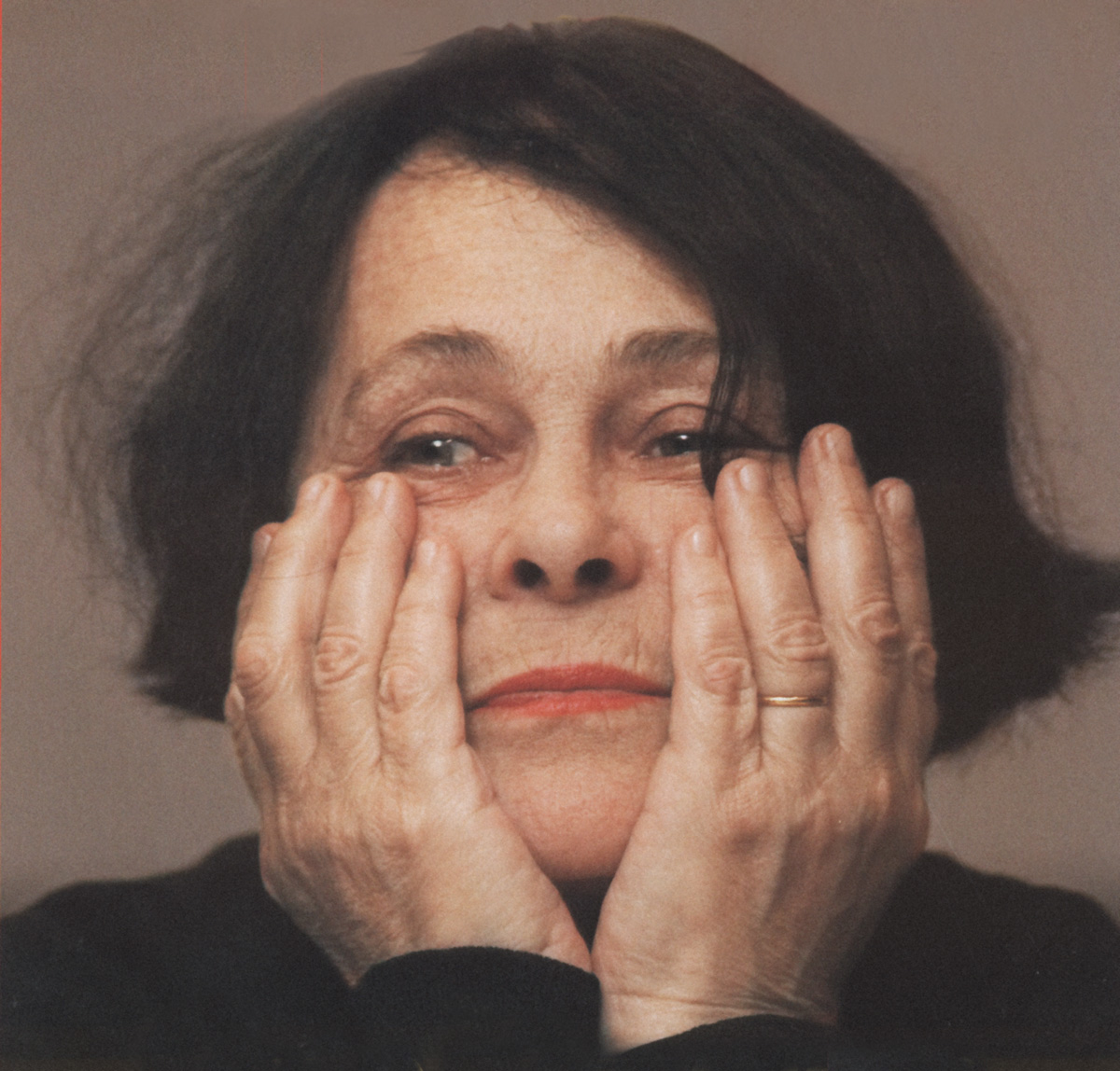
Artistic characteristics
Muratova developed a distinctive approach to image, sound and editing. Her films are often built from abrupt cuts, repeated motifs and conversational scenes that expose contradictions in everyday behavior. She favored a tone that moves between bitter comedy and bleak observation, using ordinary settings and marginal characters to reveal social tensions. In addition to directing, she frequently wrote or co‑wrote her screenplays and sometimes performed on screen herself, reflecting her deep control over both text and performance as a screenwriter–director.
Career and censorship
Throughout the Soviet period many of Muratova’s works encountered difficulties with official censors: some films were delayed, cut or formally shelved. Her resistance to conventional narrative and her willingness to present characters who defy moral clarity brought her into repeated conflict with cultural authorities, and yet these tensions helped solidify her reputation among younger filmmakers and critics. After the collapse of the Soviet system, Muratova’s films found wider international audiences and critical reappraisal.
Notable films and themes
- The Long Farewell — an intimate study of family relations and the interior life of its characters.
- Among Grey Stones — an example of her interest in social detail and elliptical storytelling.
- Asthenic Syndrome — one of her best‑known later works that mixes realism and formal disruption to comment on social exhaustion.
Awards, legacy and distinctions
Muratova received recognition late in life from international festivals and institutions. In 1994 she was honored with the Leopard of Honour for her lifetime achievement at the Locarno International Film Festival, and in 2000 she received the Andrzej Wajda Freedom Award for her contribution to cinema and artistic independence (Andrzej Wajda Award). Her films continue to be studied for their formal inventiveness, their darkly comic sensibility and their challenge to political and aesthetic orthodoxies. Despite the obstacles imposed by censorship in earlier decades, Muratova’s work today occupies a distinct place in the history of Eastern European film.
Related articles
Author
AlegsaOnline.com Kira Muratova: filmmaker known for elliptical style and sharp social satire Leandro Alegsa
URL: https://en.alegsaonline.com/art/123768
Sources
- meduza.io : meduza.io