
Kirk Douglas: Life, Career, and Legacy of an American Screen Legend
An overview of Kirk Douglas (1916–2020), the American actor and producer known for Spartacus, Lust for Life, his production work, influence on Hollywood, awards, and cultural legacy.
Overview
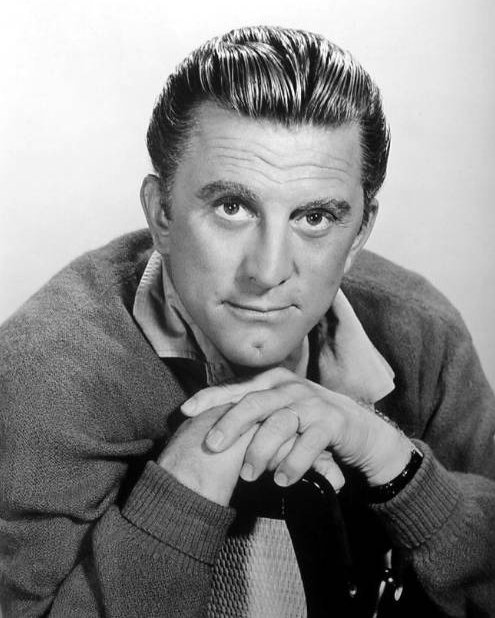
Kirk Douglas (born Issur Danielovitch; December 9, 1916 – February 5, 2020) was an American film actor and producer whose career spanned more than six decades. He became a leading man in Hollywood from the 1940s onward, noted for intense performances, athletic presence, and a commanding screen persona. Douglas played a variety of roles in dramas, historical epics, and character pieces, and he remained an influential public figure into old age.
Image gallery
10 Images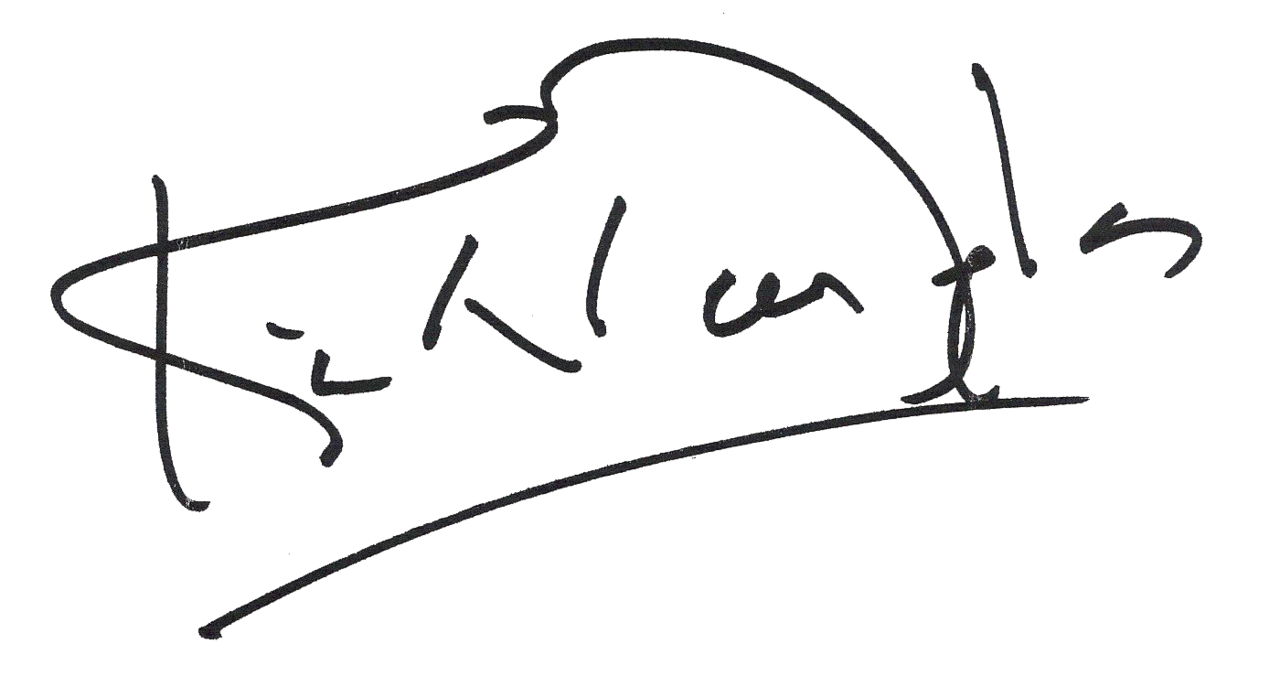


Early life and background
Born to immigrant Jewish parents from the Russian Empire, Douglas grew up in the northeastern United States and took a stage name that would become familiar around the world. He trained in acting, launched his film career after World War II, and gradually rose from supporting parts to starring roles. His early training and wartime experience shaped a work ethic that served him in the competitive studio era.
Career highlights and notable roles
Douglas became widely known for intense, physically demanding roles. Two of his most famous performances were as Vincent van Gogh in the biographical drama Lust for Life and as the title character in the sword-and-sandal epic Spartacus. His portrayal of Van Gogh drew critical praise and award attention, and Spartacus became a landmark production both for its scale and for its cultural impact. Over the decades he appeared in a long list of films across genres and earned multiple award nominations.
Producer, businessman and influence
Beyond acting, Douglas took on producing responsibilities, forming his own production initiatives to pursue projects that interested him creatively. He used his influence behind the camera as well: one of his most significant contributions to Hollywood was his role in breaking the blacklist by supporting the screenwriter Dalton Trumbo and ensuring proper credit on a major film. That decision had lasting consequences for the industry and for free expression in American cinema.
Awards, later life and legacy
Douglas received many honors during his long career, including recognition from film organizations and lifetime achievement acknowledgments. Late in life he was given the Academy's honorary recognition for his body of work and impact on cinema, and he won awards earlier in his career from other industry bodies. He was also the father of actor and producer Michael Douglas. Kirk Douglas lived to the age of 103 and died in Beverly Hills in 2020, leaving a legacy as one of the major screen talents of mid-20th-century American film.
Notable facts and context
- Screen image: Known for a gritty energy and a muscular presence that suited both melodrama and large-scale epics.
- Creative control: He pursued production roles to shape material that studios might not otherwise make.
- Industry impact: His support for credited writers and for taking public stands at key moments influenced Hollywood practices.
- Family: His son Michael Douglas became a prominent actor and producer in his own right.
Further resources
- Biography and early life
- Acting career overview
- Producing work and companies
- Family background and heritage
- Origins in the Russian Empire
- Hollywood career context
- Spartacus (film)
- Michael Douglas — son and collaborator
- AFI recognition and rankings
- Contemporaries and peers
- Honorary awards and lifetime honors
- Later life and passing in Beverly Hills
Related articles
Author
AlegsaOnline.com Kirk Douglas: Life, Career, and Legacy of an American Screen Legend Leandro Alegsa
URL: https://en.alegsaonline.com/art/123772