
Andrzej Wajda — influential Polish film director and cultural figure
Overview of Andrzej Wajda’s life and work: major films, themes, career milestones and his role in Polish cinema, including awards and later life.
Andrzej Wajda (6 March 1926 – 9 October 2016) was a leading Polish film director, also active as a producer and screenwriter. Over a career spanning more than six decades he made films that engaged with modern Polish history, national memory and moral conflict. Wajda’s work brought Polish cinema to international attention and influenced generations of filmmakers.
Image gallery
9 Images


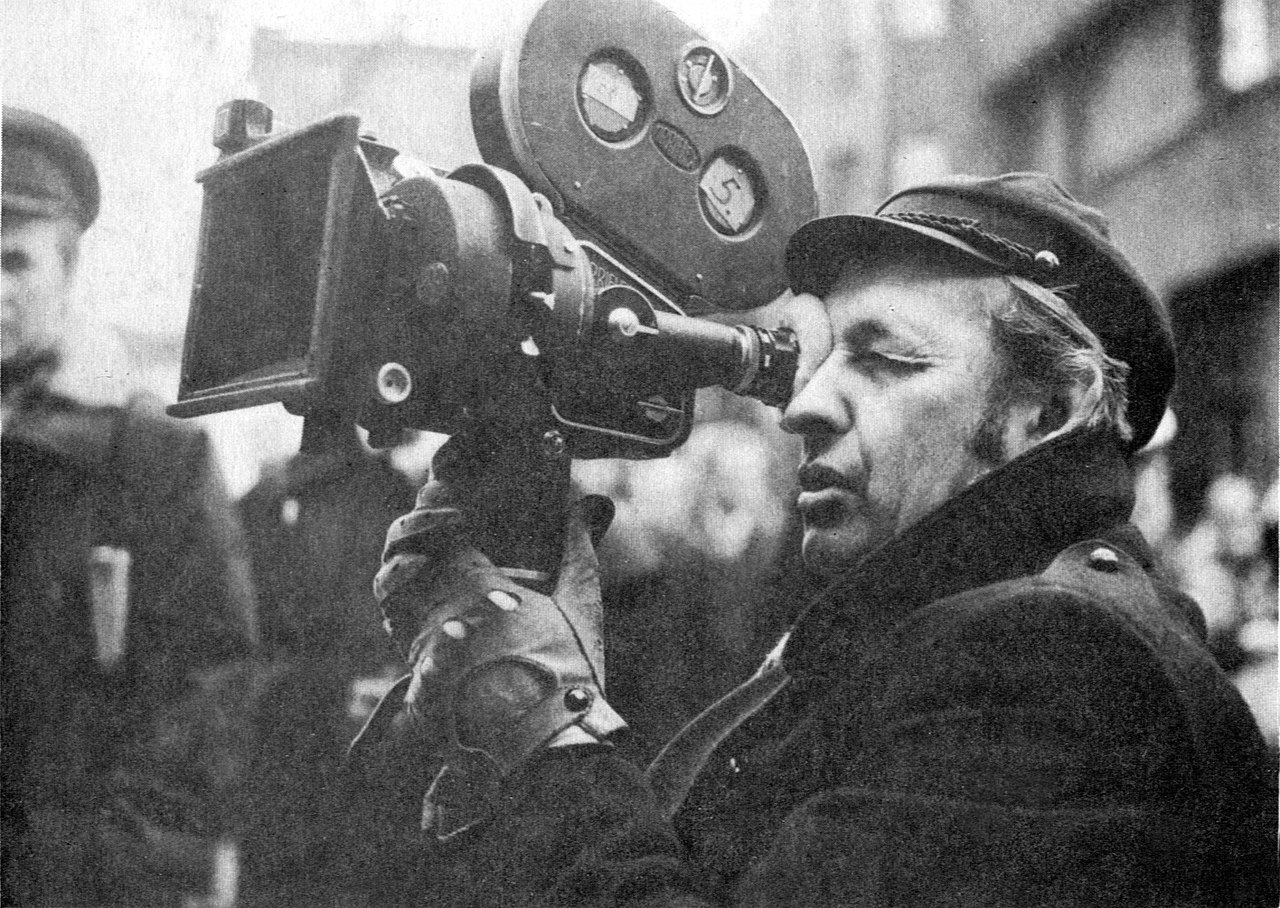




Major works and recurring themes
Wajda’s best-known films examine the Second World War, its aftermath and the political life of postwar Poland. Early titles such as A Generation, Kanał and Ashes and Diamonds are associated with the Polish Film School movement and focus on youth, resistance and the cost of conflict. Later films like Man of Iron depicted the workers’ movement and the Solidarity era. Other notable films include The Promised Land, The Maids of Wilko and Katyń. Wajda returned repeatedly to subjects of collective trauma, moral ambiguity and the search for identity.
Style and contributions
Wajda combined realist social observation with symbolic imagery. His films often use strong visual metaphors and carefully composed frames to communicate historical and ethical tensions. He worked with theatre and literary sources, adapting plays and novels, and he maintained a close relationship between cinema, national memory and public debate. International festivals and critics recognized his capacity to translate Polish historical experience into films with universal resonance.
Awards, education and public life
Wajda studied at the Łódź Film School and emerged after World War II as a major voice in Polish culture. He received numerous international honors, including an Honorary Academy Award in 2000. His film Man of Iron won top prizes at major festivals, and his career was marked by awards and retrospectives worldwide.
Personal background and legacy
Born in Suwałki, Poland, Wajda maintained a public presence in Polish cultural life. He married several times and had children; his private life included four marriages, three of which ended in divorce (marriages). He died in Warsaw on 9 October 2016 from respiratory failure. Wajda is remembered as a filmmaker who tackled difficult chapters of Polish history and who helped define a national cinema that engaged both audiences and civic discourse.
- Representative films: A Generation, Kanał, Ashes and Diamonds, Man of Iron, The Promised Land, The Maids of Wilko, Katyń.
- Roles: director, producer, screenwriter and public cultural figure.
- Education: graduate of the Łódź Film School; international festival laureate.
For further reading on Wajda’s films, festivals and influence, consult film studies resources and archival materials from major European film institutes represented online via institutional pages such as director profiles and festival retrospectives (producer records, screenplay archives).
Related articles
Author
AlegsaOnline.com Andrzej Wajda — influential Polish film director and cultural figure Leandro Alegsa
URL: https://en.alegsaonline.com/art/4064
Sources
- filmreference.com : "Andrzej Wajda Biography (1926?-)"