
Kirk Hinrich — American basketball guard
Kirk Hinrich (born 1981) is an American former professional basketball guard best known for his long tenure with the Chicago Bulls, his defensive tenacity, playmaking skills, and service with Washington and Atlanta.
Kirk Hinrich (born January 2, 1981) is an American former professional basketball player who spent the bulk of his NBA career as a backcourt leader for the Chicago Bulls. He was born in Sioux City, Iowa and rose to national prominence at the University of Kansas before entering the NBA. During his professional career he was widely regarded for his competitive defense, steady ballhandling and veteran leadership. Early coverage and profiles of his career are available through general player pages such as player profiles.
Image gallery
5 Images



Playing style and characteristics
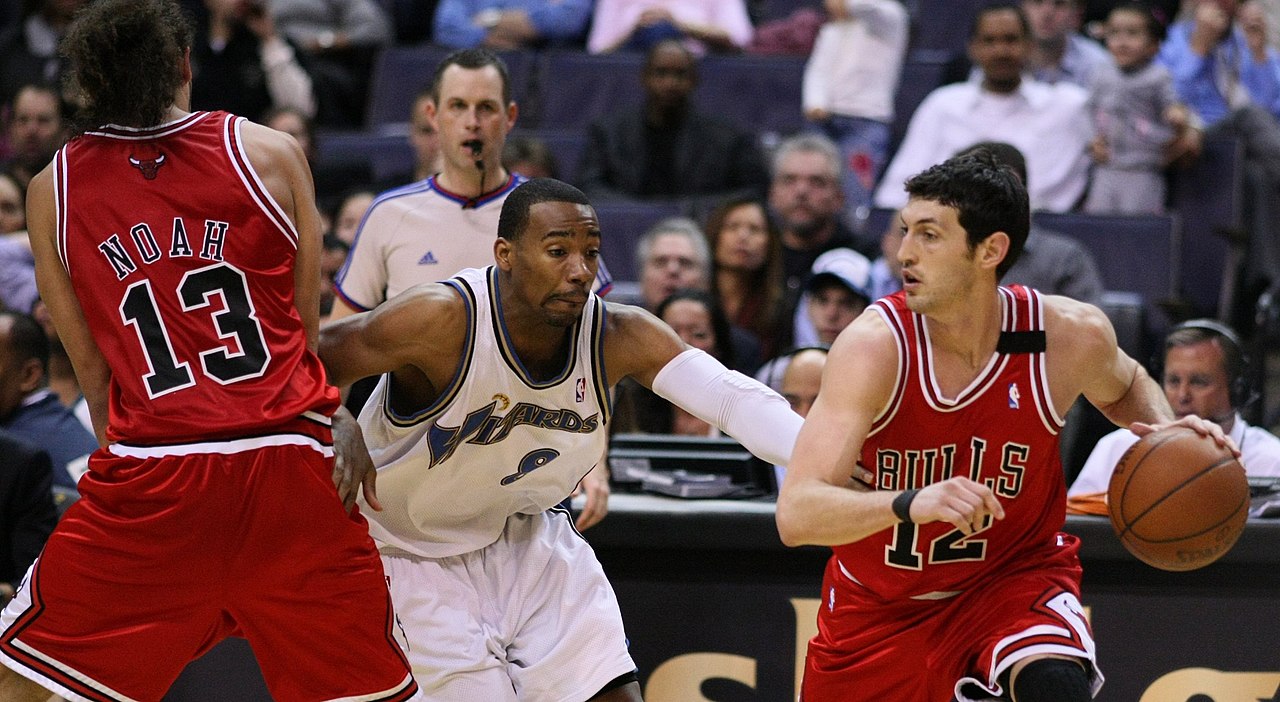
Hinrich was a combo guard capable of running the offense as a point guard while also playing off the ball as a shooting guard. Coaches and analysts frequently praised his on-ball defense, basketball IQ, and willingness to take and make timely perimeter shots. He combined toughness and a team-first approach, often guarding the opponent’s primary perimeter scorer and contributing through assists and steady decision-making rather than flash statistics.
College and entry into the NBA
At the University of Kansas, Hinrich developed under a major college program and emerged as a reliable starter over several seasons. His collegiate play drew attention from NBA scouts and led to his selection in the 2003 NBA draft, after which he began his professional career with the Chicago Bulls.
Professional career timeline
- Chicago Bulls (2003–2010): Hinrich established himself as a regular starter and a defining presence in the Bulls’ backcourt during his first stint.
- Washington Wizards (2010–2011): He spent a season with the Wizards, bringing veteran minutes and defensive intensity.
- Atlanta Hawks (2011–2012): A one-season stop with the Hawks added depth to their perimeter rotation.
- Return to Chicago (2012–2016): Hinrich returned to the Bulls for several more seasons, serving as a veteran leader and mentor to younger guards.
Legacy and later involvement
Hinrich’s career is commonly remembered for consistency, professionalism and a defensive mindset that teams valued. Beyond on-court contributions, he was noted for mentoring younger players and for participating in community and team programs. In retirement he has remained connected to basketball in various capacities typical for former players, including commentary, clinics, or roles within team organizations.
Related articles
Author
AlegsaOnline.com Kirk Hinrich — American basketball guard Leandro Alegsa
URL: https://en.alegsaonline.com/art/123775
Sources
- nba.com : "NBA official biography"