
Kim Dae-jung
Kim Dae-jung (1924–2009) was a South Korean statesman, opposition leader and president (1998–2003) who received the 2000 Nobel Peace Prize for efforts to pursue reconciliation with North Korea.
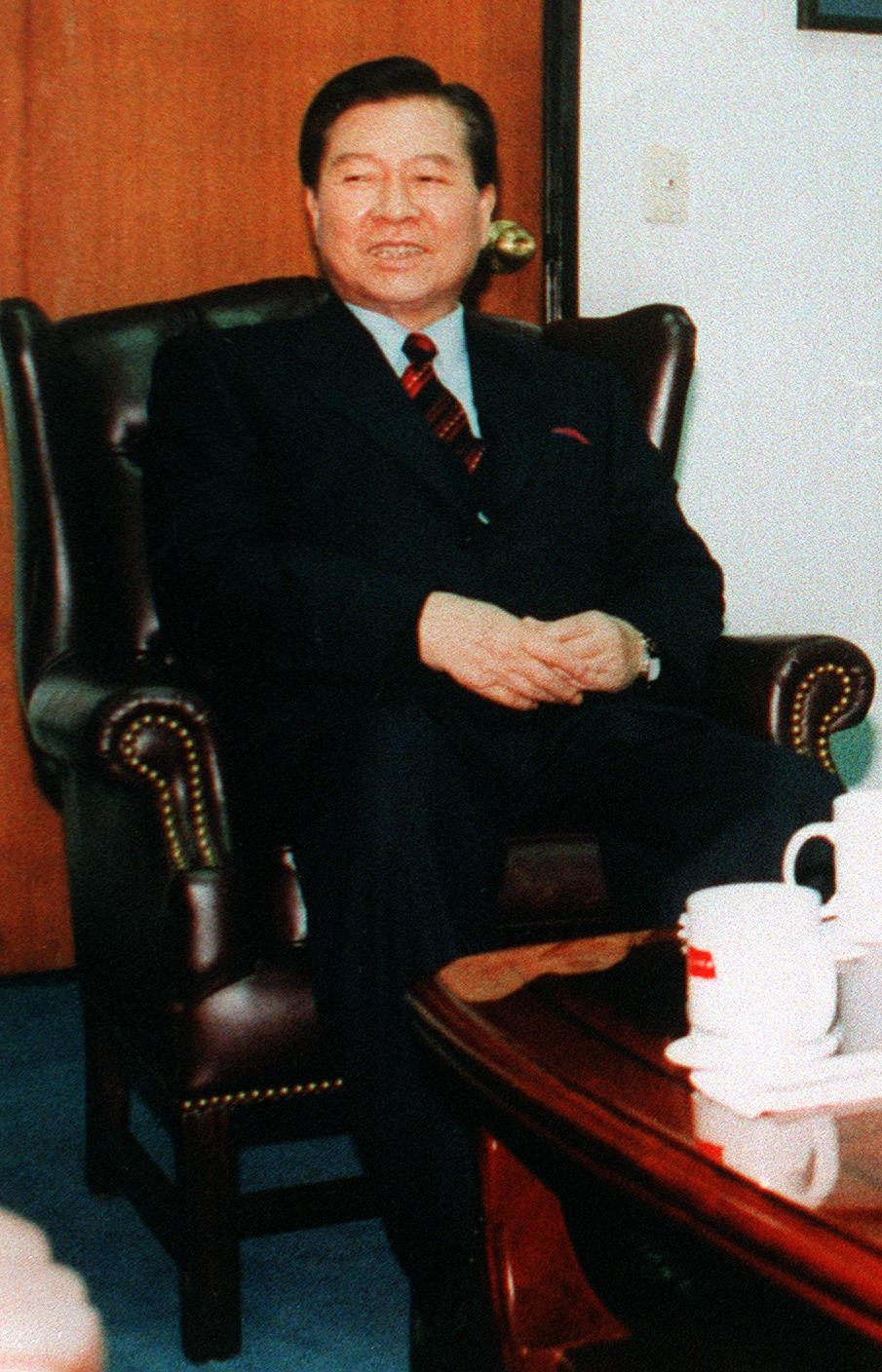
Kim Dae-jung (January 6, 1924 – August 18, 2009) was a prominent South Korean politician, long-time opposition leader and president who played a major role in South Korea's transition to democracy. He served as South Korean president from 1998 to 2003. A Roman Catholic convert in the 1950s, Kim became an internationally recognized advocate for dialogue and human rights and was awarded the Nobel Peace Prize in 2000.
Image gallery
10 Images


Early life and political emergence
Born on the island of Haui-do in South Jeolla Province, Kim Dae-jung rose from a rural background to become a schoolteacher, businessman and then a politician. Over several decades he built a reputation as a persistent democratic activist and critic of authoritarian rule. He survived imprisonment, legal persecution and political setbacks while leading the opposition movement that pushed South Korea toward civilian government and greater political freedoms.
Presidency and policy initiatives
Kim took office at a time of economic crisis and political fatigue. His administration focused on economic recovery, financial reform and social safety nets while promoting transparency and curbs on corruption. Internationally, his most notable policy was the "Sunshine Policy," an approach of engagement and cooperation with North Korea aimed at reducing tensions on the peninsula and encouraging peaceful exchanges.
Achievements and recognition
Kim's efforts to foster inter‑Korean dialogue and peaceful coexistence earned him global attention and the 2000 Nobel award. He was often compared in the press to other world figures who combined long-term opposition with reconciliation, and was sometimes called the Nelson Mandela of Asia for his decades-long struggle for democracy and later emphasis on reconciliation. During his career he succeeded Kim Young-sam as president (1998–2003) and helped normalize civilian oversight of government institutions.
Later years and death
After leaving office Kim remained an influential public figure and elder statesman, speaking on democracy, human rights and inter‑Korean affairs. He died on August 18, 2009 in Seoul. The official reports listed cardiac arrest secondary to multiple organ failure and complications from pneumonia as immediate causes.
Legacy
- First Korean recipient of a Nobel Prize and a symbol of compromise between democracy and reconciliation.
- His Sunshine Policy influenced subsequent inter‑Korean engagement, even as its long‑term effects remain debated.
- Remembered as a persistent dissident who became head of state, helping to consolidate democratic institutions in South Korea.
Related articles
Author
AlegsaOnline.com Kim Dae-jung Leandro Alegsa
URL: https://en.alegsaonline.com/art/123733
Sources
- news.bbc.co.uk : Obituary: Kim Dae-jung
- economist.com : "Kim Dae-jung"
- asianweek.com : Kim Dae-Jung
- archives.cnn.com : Kim Dae-Jung