
Kim Il-sung: Founder and Longtime Leader of North Korea
A concise, neutral overview of Kim Il-sung, his leadership of North Korea, the Juche ideology he promoted, his historical role, succession, and lasting legacy.
Overview
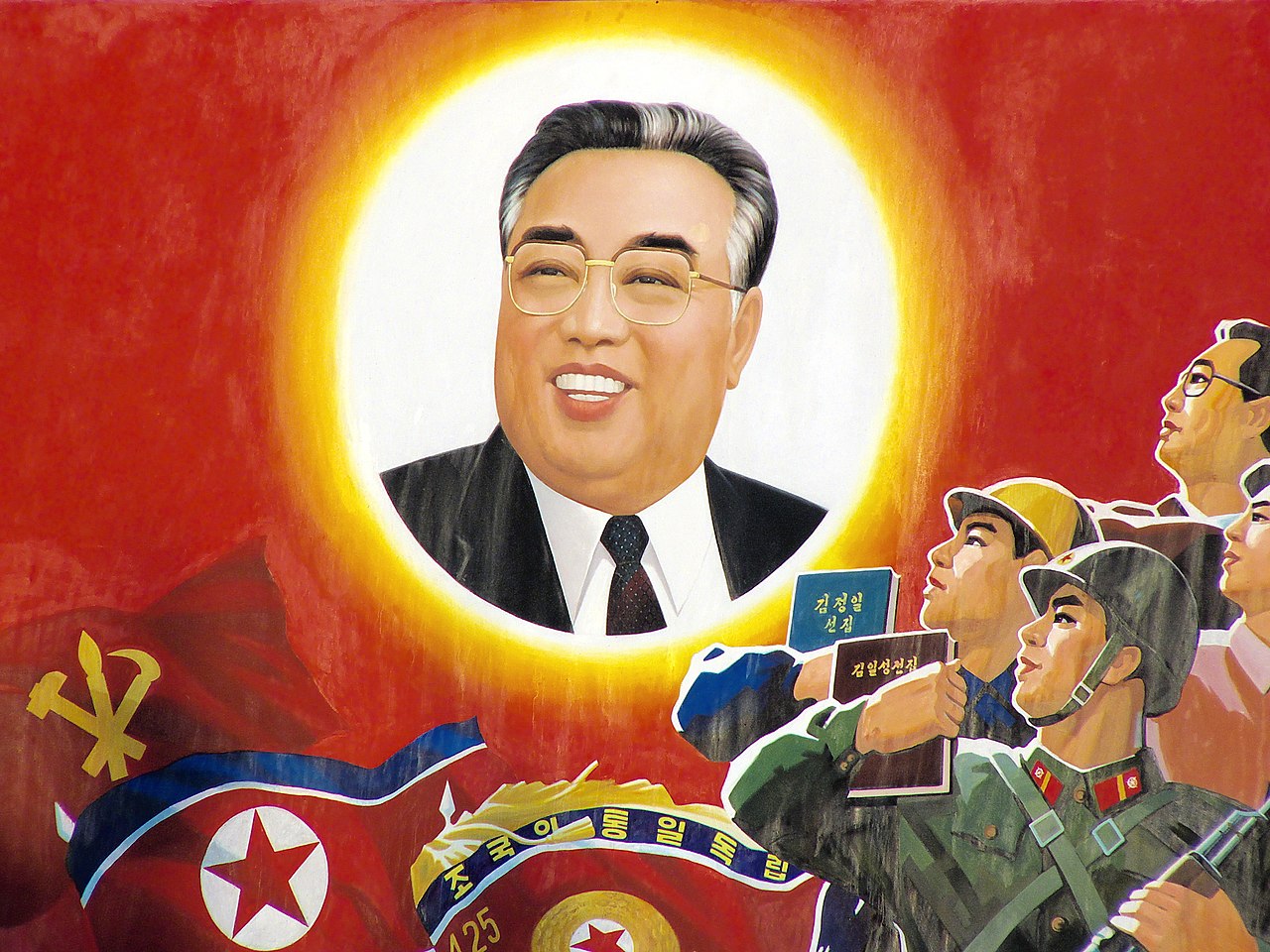
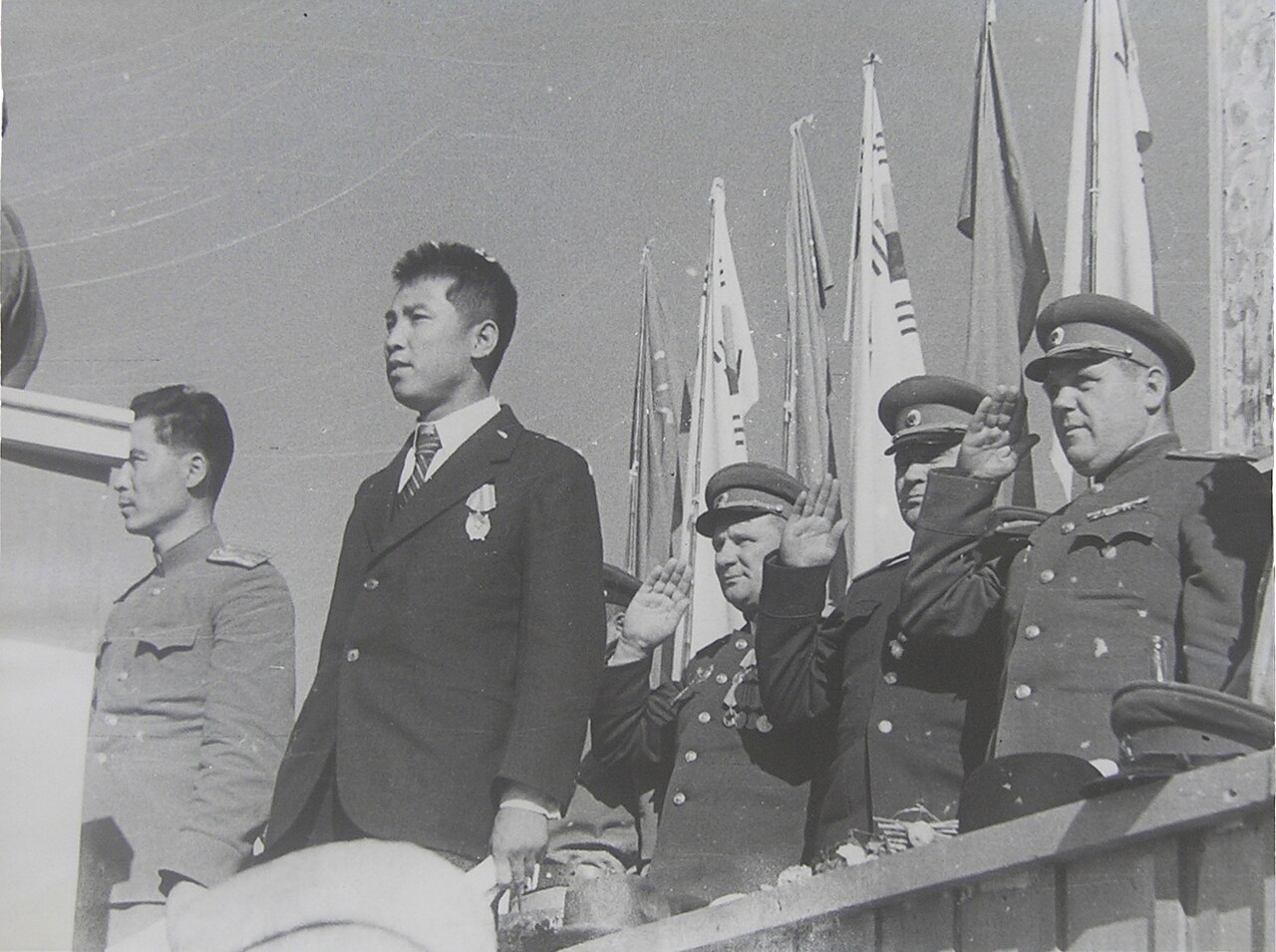
Kim Il-sung (in Hangul and Hanja) was the central political figure in the Democratic People's Republic of Korea (North Korea) from the establishment of the state in 1948 until his death in 1994. He held supreme authority as head of government and the ruling Workers' Party and was presented by the state as the founding leader of the country. After his death, the regime conferred upon him the posthumous title of "Eternal President," a unique honor that reflects his elevated place in official ideology and public ritual.
Image gallery
10 Images





Political ideas and governance
Kim is best known for developing and promoting the political and social principle known as Juche, a doctrine that emphasizes national self-reliance, political independence, and the central role of the leader in guiding society. Under his rule the state pursued a centrally planned economy, strict party control over most aspects of public life, and a strong emphasis on military preparedness. His approach differed in several respects from contemporaneous socialist models such as the Soviet Union and the People's Republic of China, particularly in its emphasis on autonomy and a personalized leadership cult that shaped institutions and cultural life (Soviet Union, China).
Historical context and succession
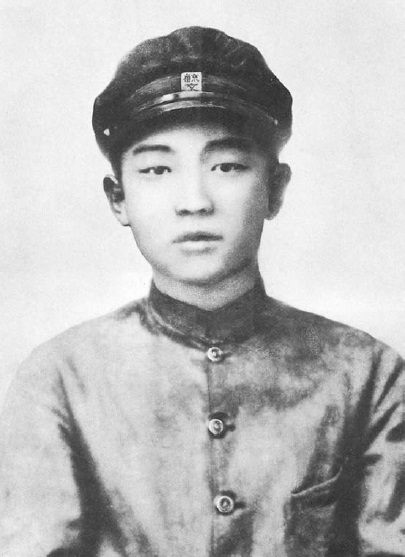
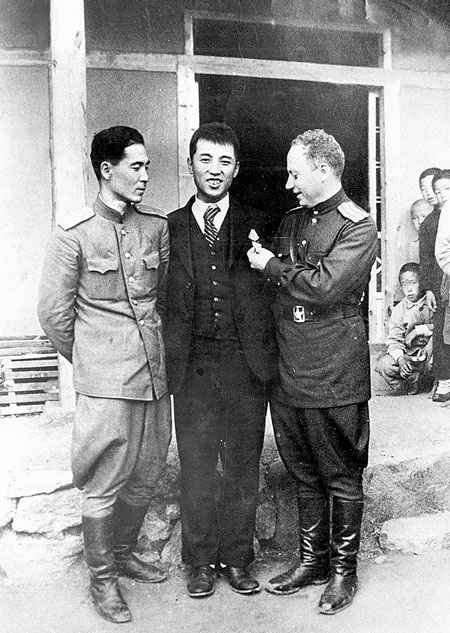
Kim's rise to power occurred in the aftermath of Japanese colonial rule and the division of the Korean peninsula after World War II. He led North Korea through the Korean War (1950–1953) and the early decades of state-building, consolidating control over the party, military, and government. The political system he established favored dynastic succession: his son succeeded him as leader and his family has continued to occupy the country's highest offices. His son, Kim Jong Un's father and predecessor, and other relatives such as Kim Yong Ju have been prominent in the regime's leadership history.
Legacy and notable facts
Kim Il-sung's legacy is contested. Within North Korea he is venerated through education, state media, monuments, and annual commemorations. Internationally, analysts cite both the regime's stability and its record of isolation, human rights concerns, and militarization as enduring consequences of his rule. Cultural elements of his legacy include a pervasive personality cult, state-sponsored biographies, and public art. There are reports of numerous statues and monuments honoring him across the country, including many public monuments and large statues.
Characteristics and influence
- Roles: revolutionary leader, head of state, party chairman, and architect of national ideology.
- Ideological influence: Juche became a central reference for government policy and national identity.
- Institutional impact: his tenure shaped the party-state structure, the military-first orientation, and the practice of hereditary succession.
For further reading on language, inscriptions, and official presentations of his name and legacy, sources in Korean script are often referenced in scholarship and official materials (name meaning and etymology). The study of Kim Il-sung remains important for understanding the development of the Korean peninsula in the 20th century and the continued dynamics of the DPRK today.
Questions and answers
Q: Who was Kim Il Sung?
A: Kim Il Sung was the first leader of North Korea from 1948 until his death in 1994.
Q: How did Kim Il Sung die?
A: Kim Il Sung died of a heart attack on July 8, 1994.
Q: What title was given to Kim Il Sung by the North Korean government after his death?
A: The North Korean government gave Kim Il Sung the title of "Eternal President" after his death.
Q: What was the Juche political idea?
A: The Juche political idea was created by Kim Il Sung.
Q: How did Kim Il Sung run North Korea differently from the Soviet Union and China?
A: Kim Il Sung ran North Korea differently from the Soviet Union and China by creating the Juche political idea.
Q: Who became the leader of North Korea after Kim Il Sung's death?
A: Kim Jong Il, son of Kim Il Sung, became the leader of North Korea after his father's death.
Q: How many statues of Kim Il Sung are there in North Korea?
A: There are more than 300 statues of Kim Il Sung in North Korea.
Related articles
Author
AlegsaOnline.com Kim Il-sung: Founder and Longtime Leader of North Korea Leandro Alegsa
URL: https://en.alegsaonline.com/art/123741