
Kim Campbell
Kim Campbell (born 1947) is a Canadian lawyer and politician who served as Canada's 19th Prime Minister in 1993 — the first woman to hold that office — and later worked as a diplomat, academic and writer.
Avril Phædra Douglas "Kim" Campbell (born March 10, 1947) is a Canadian lawyer, politician, diplomat and writer who served as the 19th Prime Minister of Canada from June 25 to November 4, 1993. Her brief tenure marked a historic first: she was the first woman to become Canada's prime minister. For a concise official overview, see the biographical summary.
Image gallery
5 Images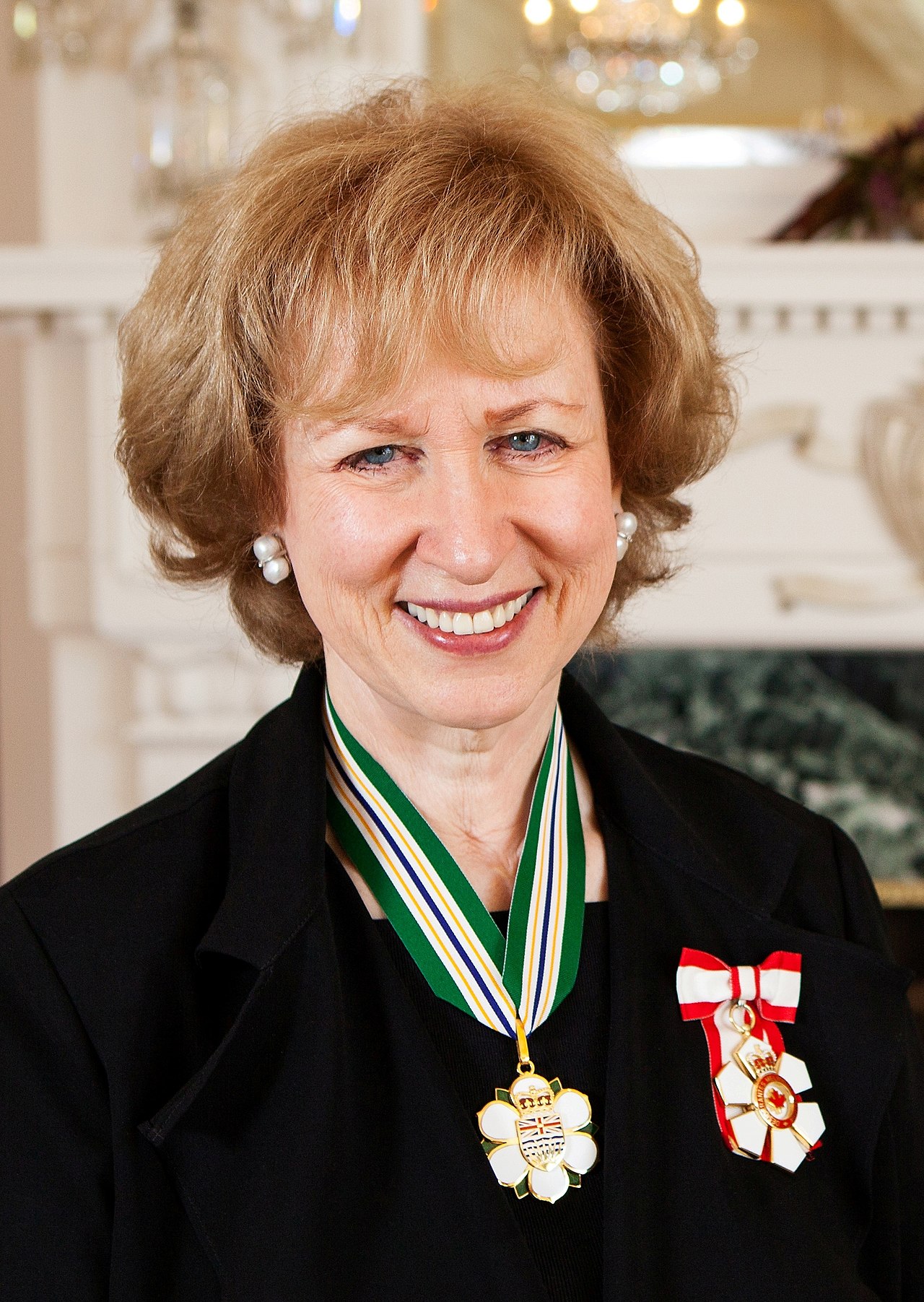


Early life and legal training
Born and raised in British Columbia, Campbell trained and practised as a lawyer before entering public life. Her legal background informed her early political roles and contributed to her appointments in federal cabinet. More context on her education and early career can be found at related sources.
Federal political career and cabinet roles
Campbell rose through the Progressive Conservative ranks and served in several senior cabinet positions under Prime Minister Brian Mulroney before becoming party leader. Her federal appointments included:
- Minister of Justice and Attorney General of Canada;
- Minister of National Defence;
- other portfolios and party responsibilities leading to party leadership.
Descriptions of her cabinet work and policy priorities are summarized in contemporary accounts and profiles: cabinet record and leadership notes.
1993 election and historical significance
Campbell became prime minister when she succeeded Brian Mulroney as leader of the Progressive Conservative Party. She led the party into the 1993 federal election, which resulted in a dramatic loss for the Progressive Conservatives and ended her term as prime minister after a few months. Historians and political analysts often discuss her premiership in relation to both its symbolic importance for women in politics and the electoral outcome; see commentary at analysis and legacy.
Later career and public life
After leaving elected office, Campbell pursued roles in diplomacy, academia, public speaking and writing. She has worked with international organizations, taken part in educational programs, and published essays and commentary on public affairs. Further information about her post-political activities is available through institutional profiles and interviews: diplomatic and academic roles and selected writings.
Notable facts: Campbell remains a prominent figure in Canadian political history as the first woman to hold the prime ministership; her career illustrates intersections of law, cabinet service and later international engagement.
Related articles
Author
AlegsaOnline.com Kim Campbell Leandro Alegsa
URL: https://en.alegsaonline.com/art/123729