
Karl Benz: Pioneer of the petrol-powered automobile
Karl Benz (1844–1929), German engineer who built the first practical gasoline-powered car, co-founded the company that became Mercedes‑Benz, and influenced automotive design and early motoring history.
Karl Benz (1844–1929) was a German engineer and entrepreneur widely credited with creating the first practical gasoline‑powered automobile. Working in the late 19th century, he combined a small internal‑combustion engine with a purpose‑built chassis and transmission to produce a road vehicle suited to everyday use rather than experimental machinery. His work laid essential foundations for the modern automotive industry.
Image gallery
10 Images


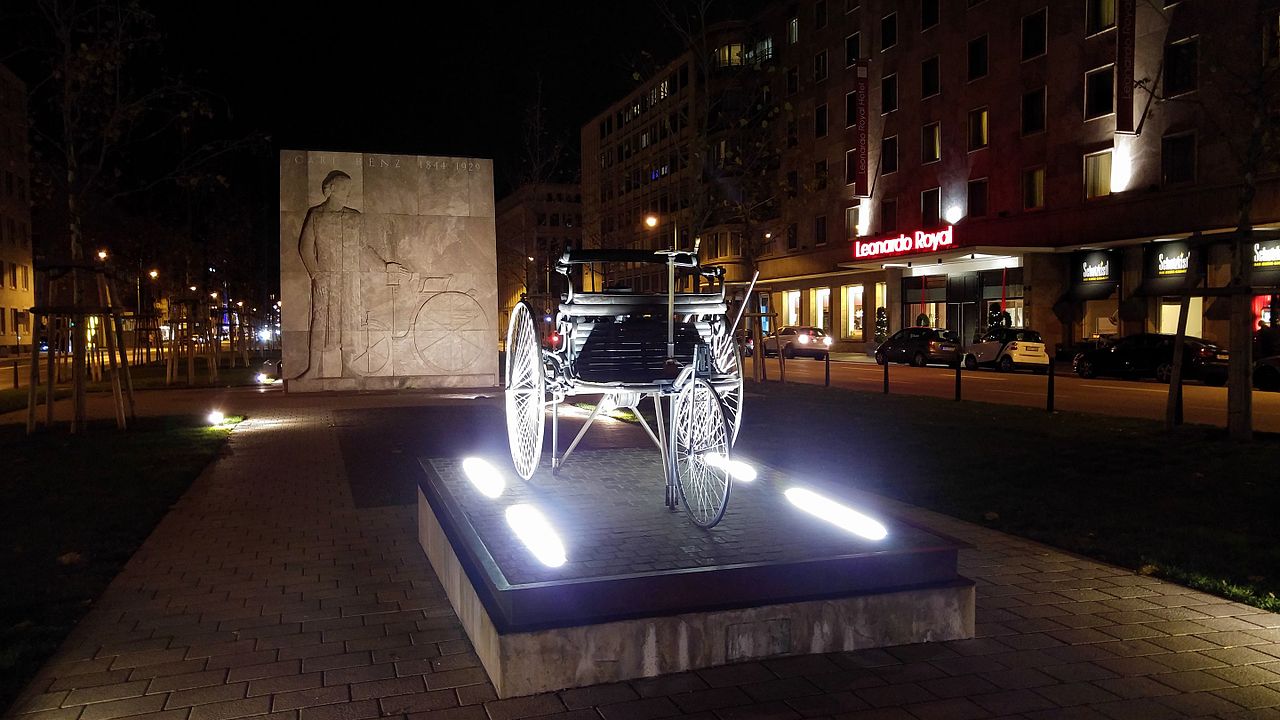

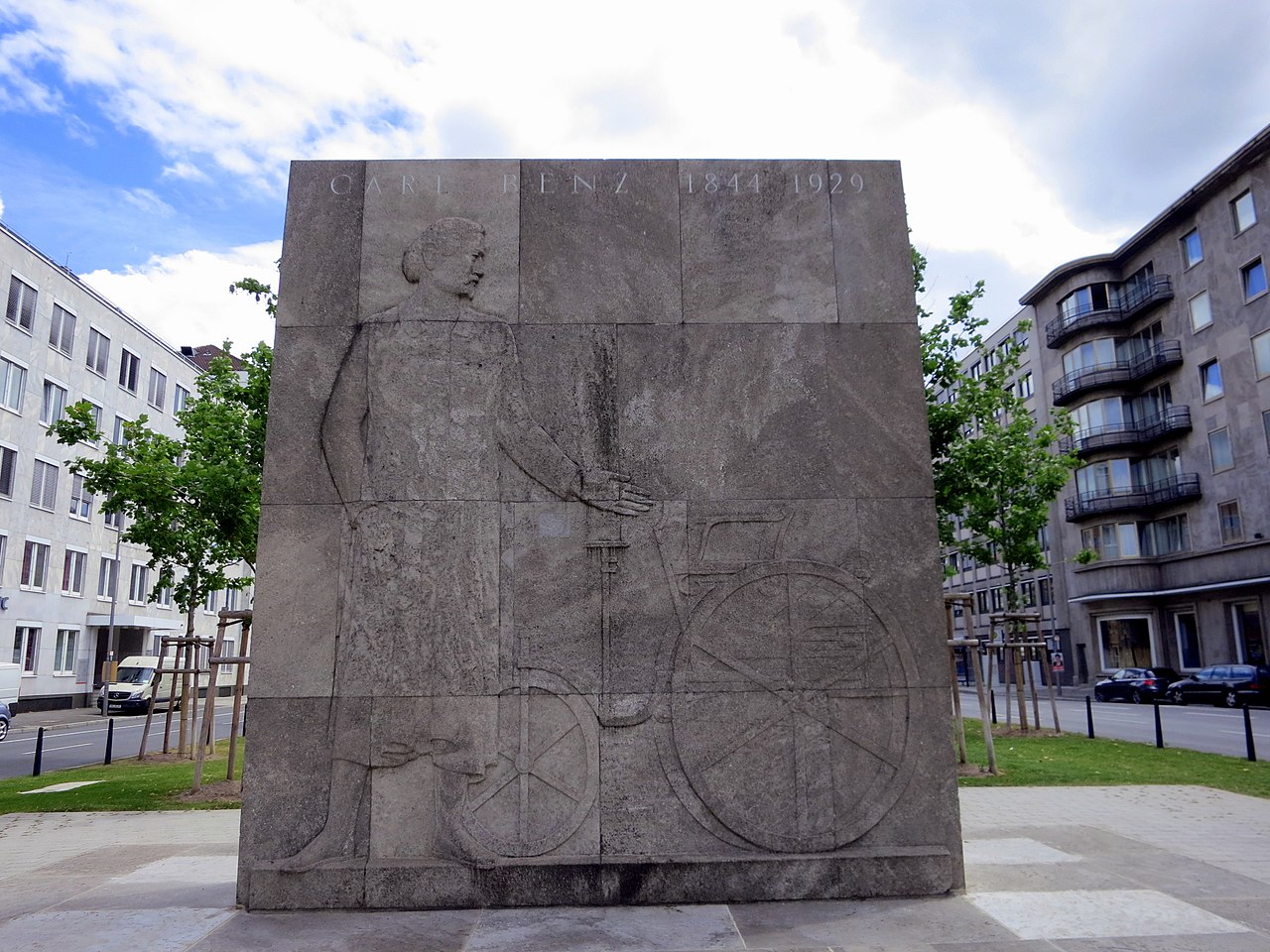


Overview
Benz developed and built a motor carriage in the mid‑1880s that used a liquid‑fuel internal‑combustion engine, and in 1886 he secured a patent for his vehicle. The design was compact and integrated components that later became standard in automobiles: an engine, a simple transmission, steering, and an effective chassis. This practical motor carriage is often called the Patent‑Motorwagen in historical accounts. For more on his life and general biography see biographical resources.
Design, parts and innovations
Rather than inventing all components from scratch, Benz refined and combined several technologies into a working automobile. Notable aspects of his work include:
- Development of a small, single‑engine unit suitable for road use, employing an internal‑combustion cycle.
- Integration of fuel and ignition systems adapted to mobile use.
- Chassis and drivetrain arrangements that transmitted power to the wheels and allowed steering on public roads.
- Improvements in materials and construction to reduce weight and increase reliability.
These practical engineering decisions made Benz's vehicle more usable than many contemporary experiments in motive power. Technical summaries and component lists can be found via technical summaries.
Bertha Benz and early demonstrations
Karl Benz's wife, Bertha, played a crucial role in demonstrating the automobile's potential. In 1888 she undertook a long‑distance trip with one of his motor carriages to show that the invention was reliable and useful for everyday transport. That journey attracted public attention and helped popularize the new technology. Contemporary accounts and historical studies discuss the trip and its consequences; see historical accounts.
Company formation and legacy
Karl Benz founded Benz & Cie., which produced motor carriages and engines. Over time the automotive industry grew and consolidated; in 1926 Benz & Cie. merged with another German automotive firm to form a company whose vehicles carried the Mercedes‑Benz name. The firm and the broader industry built on Benz's early choices about vehicle architecture, production and commercialization. For corporate histories and brand development see company histories and archival materials at archival sources.
Today, Karl Benz is remembered as a key figure in the birth of the automobile. Histories emphasize both his engineering contributions and the broader social and commercial changes his work helped enable: personal mobility, new transportation networks, and an entire industrial sector. Museums, biographies and technical exhibits preserve examples of his early vehicles and explain their place in automotive history.
Related articles
Author
AlegsaOnline.com Karl Benz: Pioneer of the petrol-powered automobile Leandro Alegsa
URL: https://en.alegsaonline.com/art/123318