
Karl Albrecht: Co‑founder of Aldi and German retail innovator
German entrepreneur Karl Albrecht (1920–2014) co‑founded Aldi with his brother Theo. He pioneered the limited‑assortment discount supermarket model, remained intensely private, and became one of Germany’s wealthiest figures.
Karl Albrecht (20 February 1920 – 16 July 2014) was a German entrepreneur best known for co‑founding the discount supermarket chain Aldi with his younger brother Theo. From a small family grocery business in the Ruhr region after World War II, the brothers developed a pared‑down retail model focused on low prices, strict cost control and a limited selection of mostly private‑label goods. Over several decades this approach transformed supermarket retail in Europe and influenced formats worldwide.
Image gallery
2 Images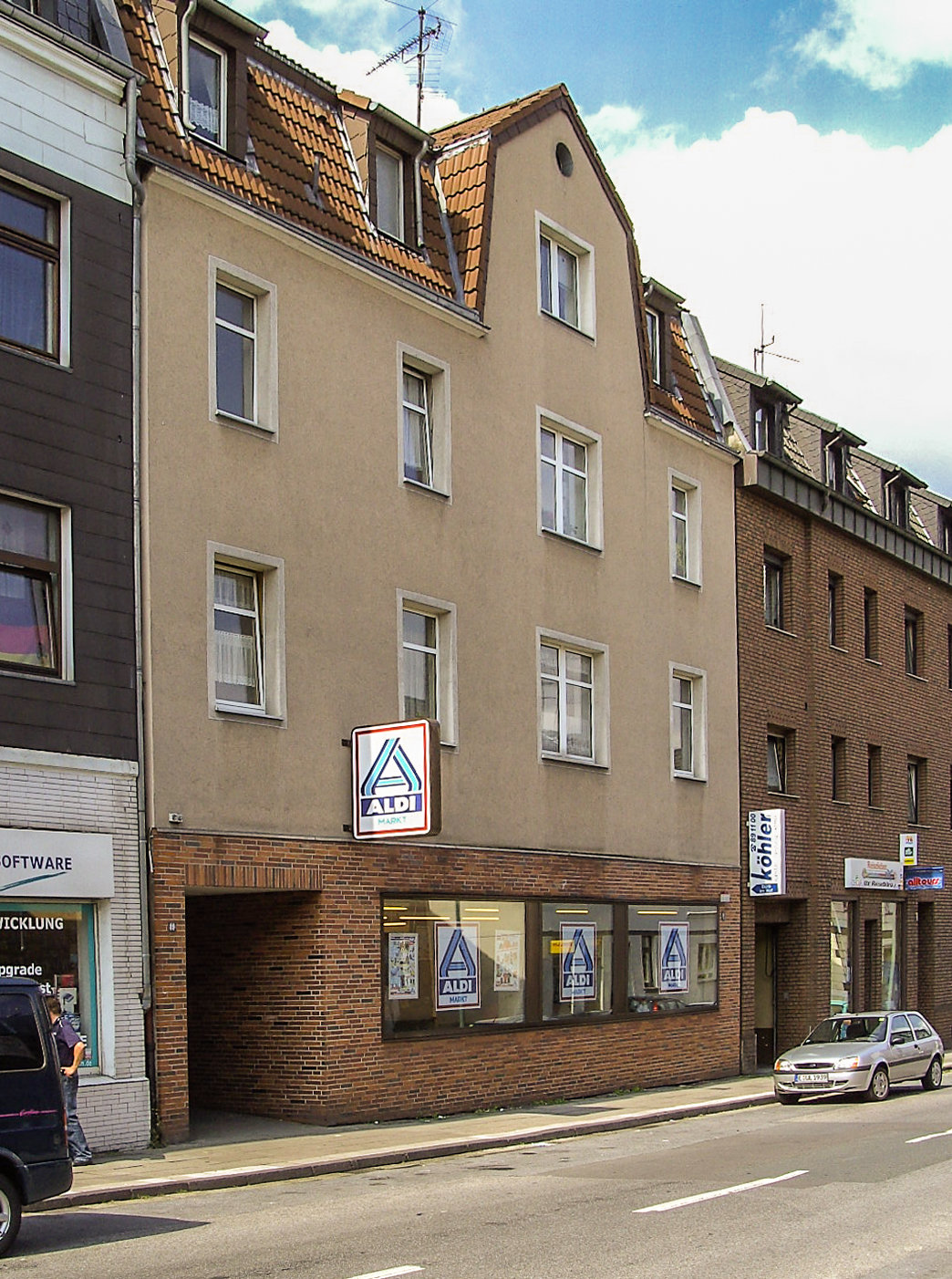

Early life and founding
Albrecht was born in Essen and grew up in a family that ran a grocery business. After the disruptions of World War II, Karl and Theo rebuilt and expanded the family shop into multiple outlets. Their approach emphasized operational efficiency and high turnover of a narrow range of products. By concentrating on essentials and cutting non‑essential services, they were able to offer lower prices than many competitors and to expand rapidly.
Split into two groups
In the early 1960s the brothers divided the enterprise over a disagreement about whether to sell cigarettes in their stores; the split led to two independently run groups operating under the Aldi name in different territories. The two organizations are commonly known in business accounts as Aldi Nord and Aldi Süd. Each group pursued its own expansion strategy and international partnerships: Aldi Nord later acquired a separate U.S. chain that operates under a distinct brand, while Aldi Süd expanded the Aldi brand into many foreign markets.
Business model and practices
The Albrecht retail concept centered on a concise set of principles: a very limited assortment of fast‑moving items, strong use of private‑label products, standardized stores, tight inventory control and low staffing levels compared with full‑service supermarkets. These measures reduced operating costs and allowed consistently low consumer prices. The model also emphasized simple store layouts, efficient logistics and negotiating power with suppliers to maintain margins.
Wealth, privacy and public profile
Karl Albrecht became one of Germany’s wealthiest individuals as the business expanded. Wealth rankings compiled by major publications frequently listed him among the world’s richest people in the late 20th and early 21st centuries. Despite his financial status, Albrecht was famously private: he avoided interviews, public appearances and media exposure, preferring to live out of the spotlight in the Ruhr area. That privacy contributed to a reputation as a guarded and low‑profile businessman.
Family, security and notable events
- The brothers’ business split shaped the corporate structure of Aldi for decades and resulted in two distinct management lines and regional footprints.
- In 1971 Theo Albrecht was the victim of a high‑profile kidnapping; the event had lasting effects on family security practices and led to increased caution in public matters.
- Karl kept his family life private; he was married and had two children and remained based in the Ruhr region for much of his life.
Legacy and influence
The limited‑assortment discount model championed by Karl Albrecht reshaped price competition, supply‑chain management and private‑label strategy across modern grocery retail. Aldi’s focus on simplicity and cost efficiency influenced many competitors and helped popularize the concept of compact, value‑oriented supermarkets worldwide. The Aldi companies are studied in business schools as examples of scaling a low‑cost retail format while maintaining profitability and consistent customer value.
Later life and death
Karl Albrecht continued to be associated with the family business into his later years but maintained a low public profile. He lived in Mülheim an der Ruhr and died in Essen in 2014 of natural causes at the age of 94. His death prompted reflections on the long‑term impact of discount retailing and on the business model that he and his brother developed.
For concise biographical summaries and company histories see biographical sources and general retail studies. Overviews of the two Aldi groups and their international activities are available in many business profiles, including company summaries. Contemporary wealth rankings and profiles appeared in prominent publications, for example wealth lists and business magazines. Comparative listings and analyses can be found in global billionaire rankings at global lists, and regional coverage in European news archives is available at European press. For local context about his birthplace and residence consult resources on Essen and Germany, and for municipal details about his later home see Mülheim an der Ruhr.
Related articles
Author
AlegsaOnline.com Karl Albrecht: Co‑founder of Aldi and German retail innovator Leandro Alegsa
URL: https://en.alegsaonline.com/art/123314
Sources
- forbes.com : "The World's Billionaires (2012): No. 10 Karl Albrecht"
- topics.bloomberg.com : "Bloomberg Billionares Index"
- forbes.com : "The World's Billionaires (2010): 1 – 24"
- bloomberg.com : "Karl Albrecht, Billionaire Co-Founder of Aldi Stores, Dies at 94"