
Karl Arnold (1901–1958) — German Christian‑democratic politician
Karl Arnold (1901–1958) was a German Christian‑democratic politician who led North Rhine‑Westphalia as Minister‑President from 1947 to 1956 and helped shape postwar state politics and reconstruction.
Overview
Karl Arnold (born 21 March 1901 in Herrlishöfen; died 29 June 1958 in Düsseldorf) was a prominent West German politician in the years after World War II. He served as Minister‑President of the state of North Rhine‑Westphalia from 1947 until 1956. His tenure coincided with the early reconstruction period and the re‑establishment of democratic institutions in the Federal Republic of Germany.
Image gallery
2 Images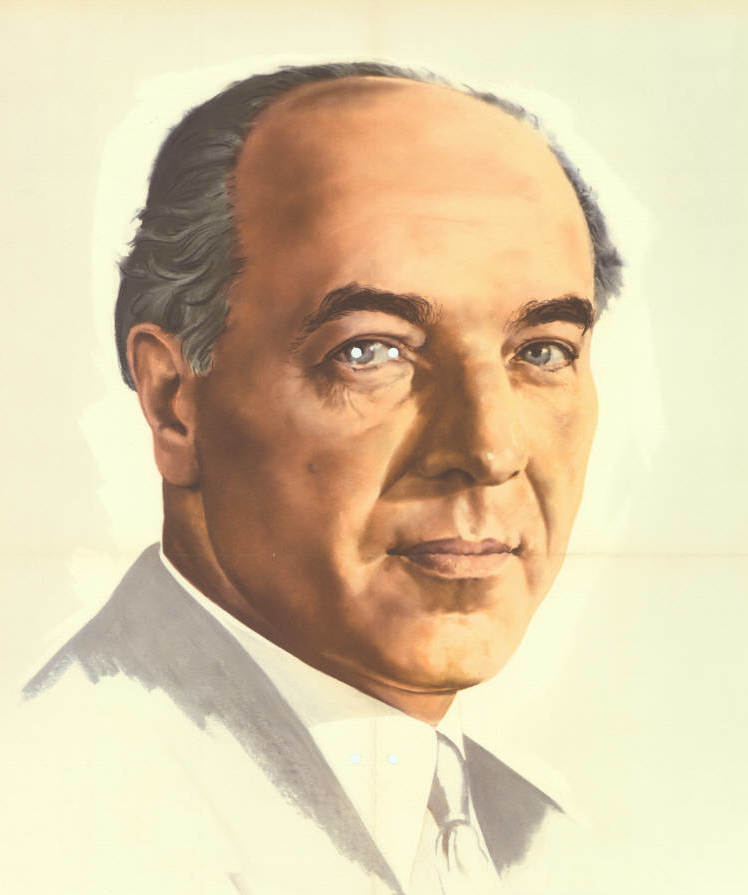

Political orientation and early career
Arnold belonged to the Christian‑democratic political tradition that brought together members of the earlier Centre movement and postwar parties committed to social market principles. Like many regional leaders of the time, he worked to reconstitute local and state government after the collapse of the Nazi regime, emphasizing civic order, economic recovery, and cooperation among democratic parties.
Minister‑President of North Rhine‑Westphalia
As head of Germany's largest and most industrialized state, Arnold presided over a region that included the Ruhr — the country’s industrial heartland. His government faced the twin tasks of repairing extensive wartime damage and managing economic conversion from wartime production to peacetime industry. State leaders in this era had to rebuild administrative structures, support housing and social services for displaced populations, and foster industrial renewal.
Policies and influence
Arnold is remembered for pragmatic coalition building and for promoting policies aimed at stabilizing employment and restarting industry. He worked with municipal and federal authorities to restore infrastructure and public services, and he supported measures to reconcile social needs with economic recovery. His approach reflected the broader postwar emphasis on federalism and collaboration between state and federal institutions.
Legacy and notable facts
- Led North Rhine‑Westphalia during the crucial first decade of West German reconstruction.
- Known as a representative of the Christian‑democratic tradition in regional politics.
- Played a role in rebuilding state administration and in relationships between Länder and the federal government.
Arnold's career illustrates the responsibilities of regional leaders in postwar Germany: restoring democratic governance, coordinating economic recovery, and shaping the role of states within the new federal system. For more on the state he led, see the entry on North Rhine‑Westphalia.
Related articles
Author
AlegsaOnline.com Karl Arnold (1901–1958) — German Christian‑democratic politician Leandro Alegsa
URL: https://en.alegsaonline.com/art/123316