
Julius Lothar Meyer — German chemist and pioneer of the periodic system
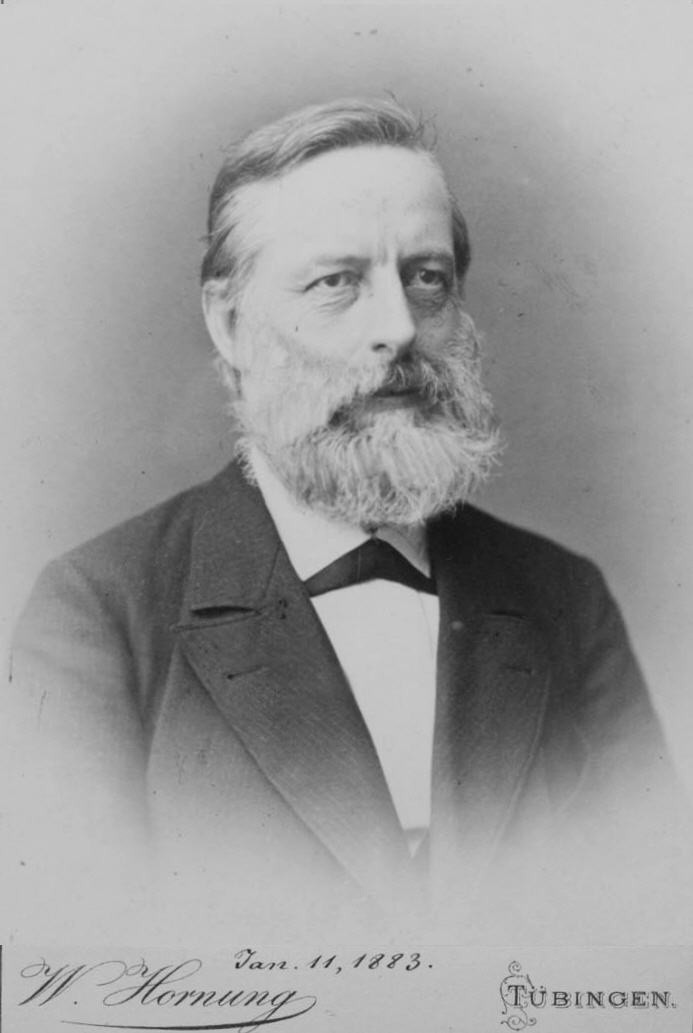
Julius Lothar Meyer (1830–1895) was a German chemist who produced an early classification of the chemical elements and a graphical demonstration of periodicity that paralleled Mendeleev's work.
Overview
Julius Lothar Meyer (1830–1895) was a prominent German chemist known for independently developing a systematic arrangement of the chemical elements. His research in the mid‑19th century helped establish the idea that elemental properties repeat in a regular way when ordered by atomic weight, a discovery that underpins the modern periodic table.
Image gallery
4 Images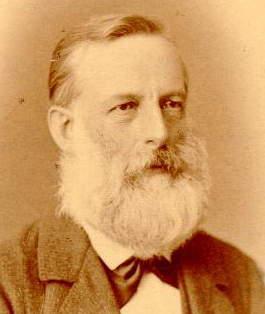


Key contributions
Meyer produced early tabular lists that grouped elements by recurring chemical behavior and valence. He also produced a graphical plot showing atomic volume as a function of atomic weight; the peaks and troughs in this curve provided visual evidence of periodic trends. Those demonstrations made the abstract pattern of elemental properties easier to perceive and teach.
Context and relationship with Mendeleev
Working at a time when chemists were organizing large bodies of elemental data, Meyer arrived at conclusions very similar to those of Dmitri Mendeleev. The two scientists reached their schemes independently and corresponded about the ideas. Mendeleev's version became widely cited because it predicted missing elements, but historians recognize Meyer as a co‑founder of the periodic approach.
Career and collaborations
Meyer collaborated with leading chemists of his day and was associated with laboratories where experimental and analytical chemistry flourished. He worked alongside figures such as Robert Bunsen, and his publications and lectures helped spread acceptance of periodic ordering in university curricula and chemical practice.
Legacy and significance
- Meyer provided both tabular and graphical evidence for periodicity, reinforcing the periodic law.
- His work made the relationships among elements clearer to chemists and students, aiding chemical classification and prediction.
- Although Mendeleev often receives greater popular credit, Meyer's research is essential to historical accounts of the development of the periodic system.
For further reading on the life and work of Meyer and his place in 19th‑century chemistry, see archival and scholarly treatments that document correspondence and publications from that period. Primary and secondary sources can give fuller detail about dates, editions, and institutional posts.
More on German scientific history · Biographies of chemists · Mendeleev correspondence · Periodic table development · Element classifications · Bunsen and contemporaries
Related articles
Author
AlegsaOnline.com Julius Lothar Meyer — German chemist and pioneer of the periodic system Leandro Alegsa
URL: https://en.alegsaonline.com/art/123168
Sources
- doi.org : 10.1002/cber.18950280498