
Julius Wagner-Jauregg
Austrian physician who pioneered malariotherapy for neurosyphilis, won the 1927 Nobel Prize in Medicine; his fever-based treatment was important before antibiotics and later raised ethical debate.
Overview
Julius Wagner-Jauregg was an Austrian physician known for introducing purposeful fever therapy to treat certain neuropsychiatric infections. He was born on March 7 and his birth year is recorded as 1857. He died on September 27 in 1940.
Image gallery
7 Images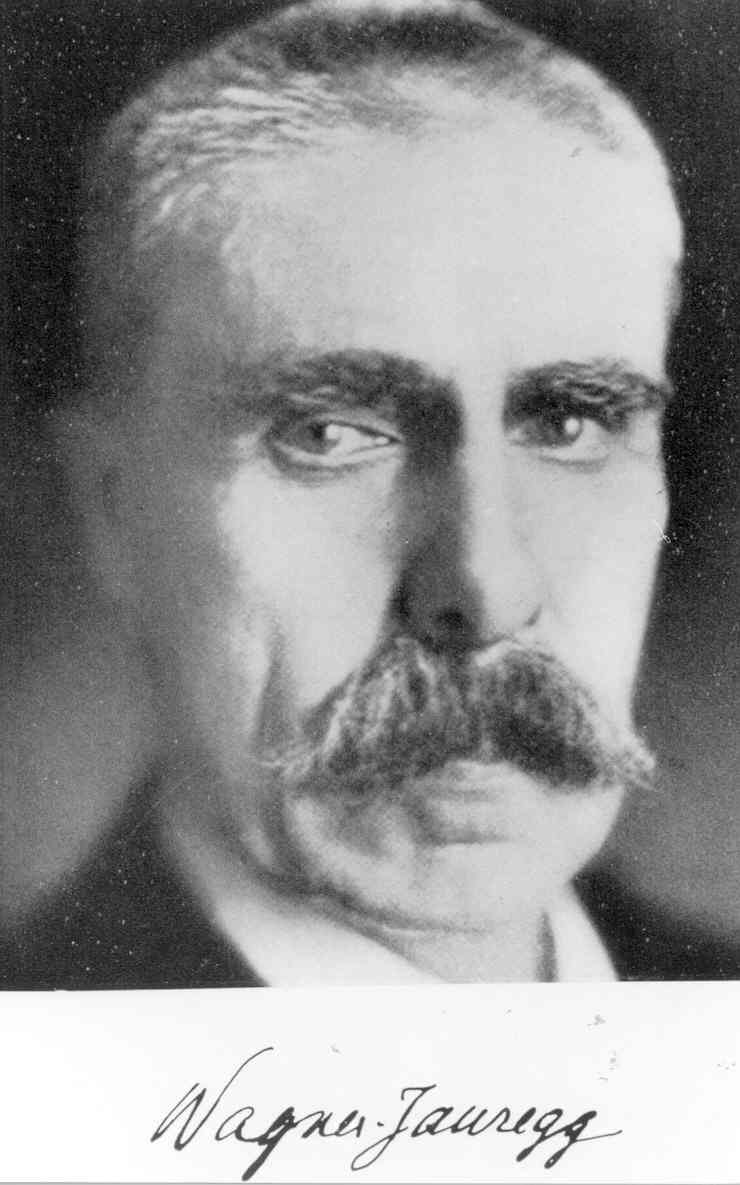




Discovery and method
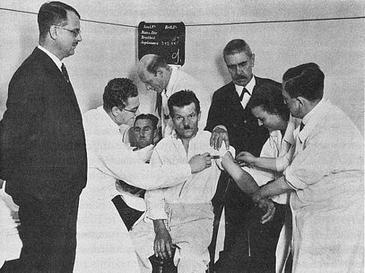
Working in the early 20th century, Wagner-Jauregg found that high fever could arrest the progression of general paresis of the insane, a late-stage manifestation of syphilis that caused progressive paralysis and dementia. To produce controlled fever he deliberately infected patients with malaria, an approach sometimes called malariotherapy, and later treated the induced infection with quinine after therapeutic fevers had occurred. The active step of deliberate inoculation was judged effective because the febrile response reduced the syphilis-causing bacterium in many patients.
Recognition and impact
For this innovation Wagner-Jauregg was awarded the Nobel Prize in Physiology or Medicine in 1927. His work represented a major advance in psychiatric and neurological care before the development of modern antibiotics: it offered a practical, if risky, option that reduced mortality and improved symptoms for many afflicted by neurosyphilis.
Legacy and controversies
Malariotherapy declined after the widespread availability of penicillin in the 1940s, which provided a far safer and more definitive cure for syphilis. Historical assessments note both the clinical importance of Wagner-Jauregg's contribution and ethical concerns about deliberately infecting patients, especially as standards for informed consent evolved. His later years and some of his political sympathies have also attracted critical attention from historians, complicating his legacy.
Why it matters
- Illustrates the historical use of induced fever as a therapeutic principle.
- Shows how a high-risk intervention can be superseded by safer treatments.
- Serves as a case study in medical ethics, scientific recognition, and historical context.
Further reading and archival sources can provide more detail on clinical protocols, outcomes, and historical debates surrounding Wagner-Jauregg's career and recognition.
Related articles
Author
AlegsaOnline.com Julius Wagner-Jauregg Leandro Alegsa
URL: https://en.alegsaonline.com/art/123171
Sources
- nobelprize.org : "Biography of Julius Wagner-Jauregg"
- nobelprize.org : "The Nobel Prize in Physiology or Medicine 1927"