
Julius Nyerere: Tanzanian leader, educator and proponent of Ujamaa
Julius Nyerere (1922–1999) was the founding president of Tanzania, a schoolteacher-turned-statesman who led independence, promoted the Ujamaa socialist program, and played a major role in East African politics.
Julius Kambarage Nyerere (1922–1999), widely known by the honorific Mwalimu ("teacher"), was the principal leader in Tanganyika's move to independence and the first head of state of the nation that became Tanzania. A trained teacher who studied at institutions including Makerere College and the University of Edinburgh, Nyerere blended educational rhetoric with nationalist politics and became a dominant figure in East African public life for more than two decades.
Image gallery
10 Images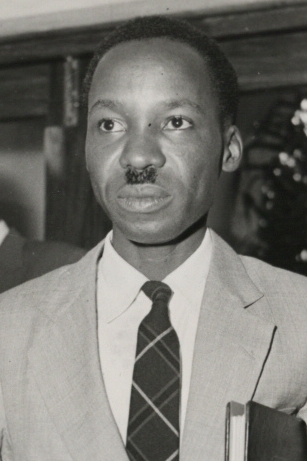


Early life and political rise
Nyerere was born in Butiama in the mainland territory then called Tanganyika. He entered teaching as a young man and moved into politics after World War II, helping form the Tanganyika African National Union (TANU). He led TANU in negotiations with the colonial power, the United Kingdom, and became prime minister at independence in 1961. When Tanganyika became a republic in 1962 he served as its first president.
Union and national program
In 1964 Tanganyika and Zanzibar joined to form the United Republic of Tanzania, and Nyerere became the head of the union government. His political philosophy emphasized African socialism, expressed in a program called Ujamaa (often translated as "familyhood"), which stressed rural development, cooperative agriculture and national self-reliance. In practice this involved villagization schemes, nationalization of some industries, and an emphasis on communal values over market-driven policies.
Policies, governance and criticisms
Supporters credit Nyerere with promoting literacy, social cohesion and a degree of political stability in a newly independent state. Critics point to the economic difficulties that followed Ujamaa, including reduced agricultural productivity and periods of food shortage, and to limits on political pluralism. Nyerere presided over a single-party political order and took steps that curtailed organized opposition. He remained an influential and sometimes controversial figure because of both his intentions and the results of his policies.
Regional role and later years
On the regional stage Nyerere supported liberation movements across southern Africa and played a direct military and diplomatic role in neighboring states. Tanzania's armed intervention helped bring an end to the regime of Idi Amin in Uganda in 1979. He also sought to mediate conflicts and championed pan-African cooperation while balancing Cold War-era pressures.
Retirement, legacy and death
In 1985 Nyerere voluntarily stepped down from the presidency, an uncommon move among long-serving postcolonial leaders, and he continued to be active in education and African affairs. Evaluations of his legacy remain mixed: he is often praised for his integrity, emphasis on education and anti-colonial leadership, and criticized for the economic consequences of his socialist programs and restrictions on political freedom. Nyerere died in London, England, in 1999 after a period of illness related to leukemia.
- Key concepts: Ujamaa, TANU/CCM single-party governance.
- Important events: independence (1961), republic (1962), union with Zanzibar (1964), intervention in Uganda (1979).
- Contested outcomes: gains in social services versus economic strain and limits on political pluralism.
For further reading on Tanzania's modern history and Nyerere's role see sources on the country's independence, postcolonial policy debates and East African regional politics. Primary archival materials and biographies provide detailed accounts of his life and the debates around his policies. Tanzania's experience under Nyerere remains a central case study in discussions of African socialism, state-building and leadership after colonial rule.
Tanganyika • United Kingdom • Republic • Zanzibar • Idi Amin • Regime • Uganda • Leukemia • London • England
Related articles
Author
AlegsaOnline.com Julius Nyerere: Tanzanian leader, educator and proponent of Ujamaa Leandro Alegsa
URL: https://en.alegsaonline.com/art/123169