
Julius Streicher
German Nazi propagandist and publisher of the antisemitic tabloid Der Stürmer; influential in spreading racist myths and convicted at the Nuremberg Trials for crimes against humanity.
Overview
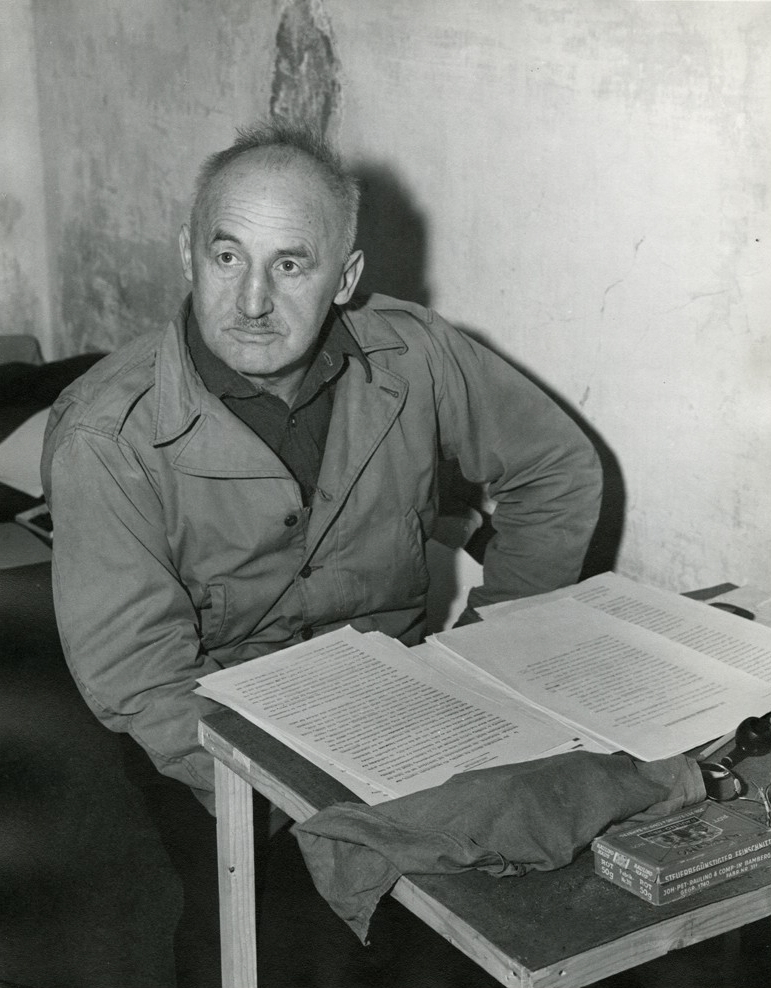
Julius Streicher (born 12 February 1885) was a prominent early member of the Nazi movement best known for founding and editing the virulently antisemitic tabloid Der Stürmer. He built a reputation as one of the regime's most extreme agitators through street politics, sensationalist print media and public speeches. Streicher remained an important propaganda figure in the 1920s and 1930s and became internationally notorious for his efforts to dehumanize Jewish people. He died after conviction and sentence at the international tribunal convened after World War II (Nuremberg, Germany).
Image gallery
6 Images



Career and publications
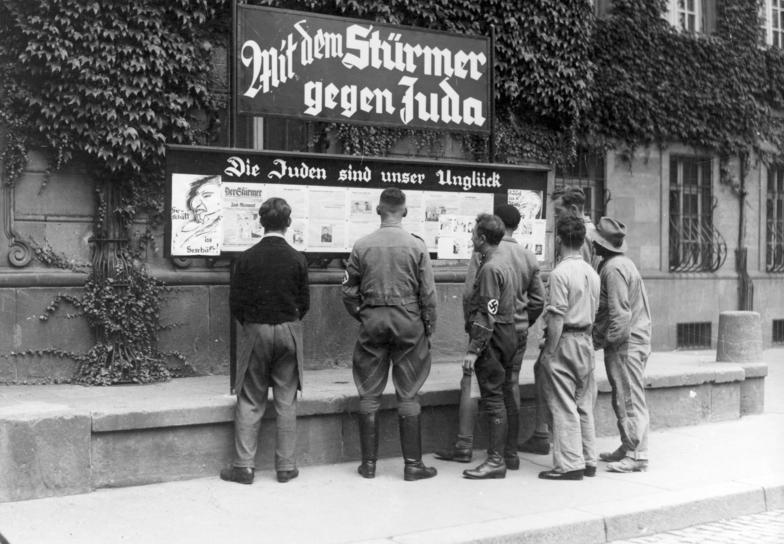
Streicher used inexpensive, often illustrated pamphlets and a weekly newspaper to reach a wide audience. The newspaper Der Stürmer combined lurid caricature, fabricated stories and crude stereotypes to promote antisemitic myths. His publishing house also produced material aimed at children, such as the 1938 pamphlet commonly translated as The Poison Mushroom, which taught young readers to regard Jews as dangerous and deceitful. Streicher's style favored sensational headlines, moral panic and repeated repetition of slurs rather than sober political argument.
Role within the Nazi movement and removal from office
Streicher was an early and fervent supporter of Adolf Hitler and used his paper to mobilize anti-Jewish sentiment. Although influential as a propagandist, he was not a principal architect of state policy or the administrative machinery that carried out mass murder. Political infighting and accusations of corruption and immorality led to his removal from many official party positions before the end of the war, even as his newspaper continued to circulate in parts of Germany.
Conviction and legacy
After the defeat of Nazi Germany, Streicher was prosecuted at the International Military Tribunal at Nuremberg. He was charged and convicted for his role in incitement and crimes against humanity, on the grounds that his sustained propaganda materially contributed to persecution and violence against Jews. The tribunal's judgment emphasized that persistent public incitement and the spreading of hatred can be criminal when it helps bring about grave atrocities. Streicher was sentenced to death and executed on 16 October 1946 in Nuremberg prison, a date and place that are often cited in studies of accountability for mass propaganda.
Publications and examples
- Der Stürmer — weekly tabloid notorious for antisemitic caricatures and sensationalism.
- Children's pamphlets such as the 1938 title often called "The Poison Mushroom" that promoted antisemitic stereotypes.
- Other brochures and pictorial material distributed widely at rallies and through the Streicher press network (publisher imprint).
Historical significance and interpretation
Historians treat Streicher as a paradigm of racist demagoguery: his work illustrates how repetitive, dehumanizing propaganda can normalize prejudice and prepare populations for violence. While he was not a senior bureaucratic planner of the Holocaust, his publications contributed to the social atmosphere that enabled persecution. Modern studies of hate speech and incitement frequently reference his trial as a landmark in establishing legal responsibility for propaganda that facilitates crimes against humanity. For further background on his life and trial see archival and scholarly resources (example references: archival collections, document analyses, trial transcripts, judicial opinions).
Streicher's biography is a cautionary example in discussions about media ethics, state-sanctioned hatred, and the legal limits of political expression when it contributes to mass atrocity. Scholars continue to examine the relationship between demagogic propaganda and systematic violence to understand both historical causes and present-day risks.
Questions and answers
Q: Who was Julius Streicher?
A: Julius Streicher was a person who made propaganda for Nazi Germany and published the racist newspaper Der Stürmer.
Q: What books did Streicher's publishing company sell for children?
A: Streicher's publishing company sold three anti-Semitic books for children, including the 1938 Der Giftpilz (The Poison Mushroom).
Q: What was the message of the Der Giftpilz book?
A: The Der Giftpilz book said that Jewish people were dangerous, just like a nice-looking but deadly mushroom.
Q: How popular was the Der Giftpilz book?
A: The Der Giftpilz book was one of the most commonly read pieces of propaganda.
Q: What happened to Streicher after World War II?
A: After World War II, Streicher was convicted of crimes against humanity at the Nuremberg Trials.
Q: Where did Streicher die?
A: Streicher died in Nuremberg, Bavaria, Germany.
Q: What was the punishment for Streicher's crimes?
A: Streicher was executed for his crimes against humanity.
Related articles
Author
AlegsaOnline.com Julius Streicher Leandro Alegsa
URL: https://en.alegsaonline.com/art/123170
Sources
- nhs.needham.k12.ma.us : "Baker"
- aish.com : "The Nuremberg Trials"
- talkreason.org : "Purim"
- law.umkc.edu : "Nuremberg News"