
Joseph Cook: Sixth Prime Minister of Australia and early 20th‑century statesman
Sir Joseph Cook (1860–1947) was Australia's sixth Prime Minister (1913–1914). A former miner and union activist who later led anti‑Labour forces, he headed government at the outbreak of World War I and retired to London.
Sir Joseph Cook was a prominent figure in Australian politics in the years after federation. He served as the sixth Prime Minister of Australia from June 1913 until September 1914. His administration coincided with a defining international crisis: he led the country at the outbreak of World War I. After a long public career he spent his retirement years in London.
Image gallery
10 Images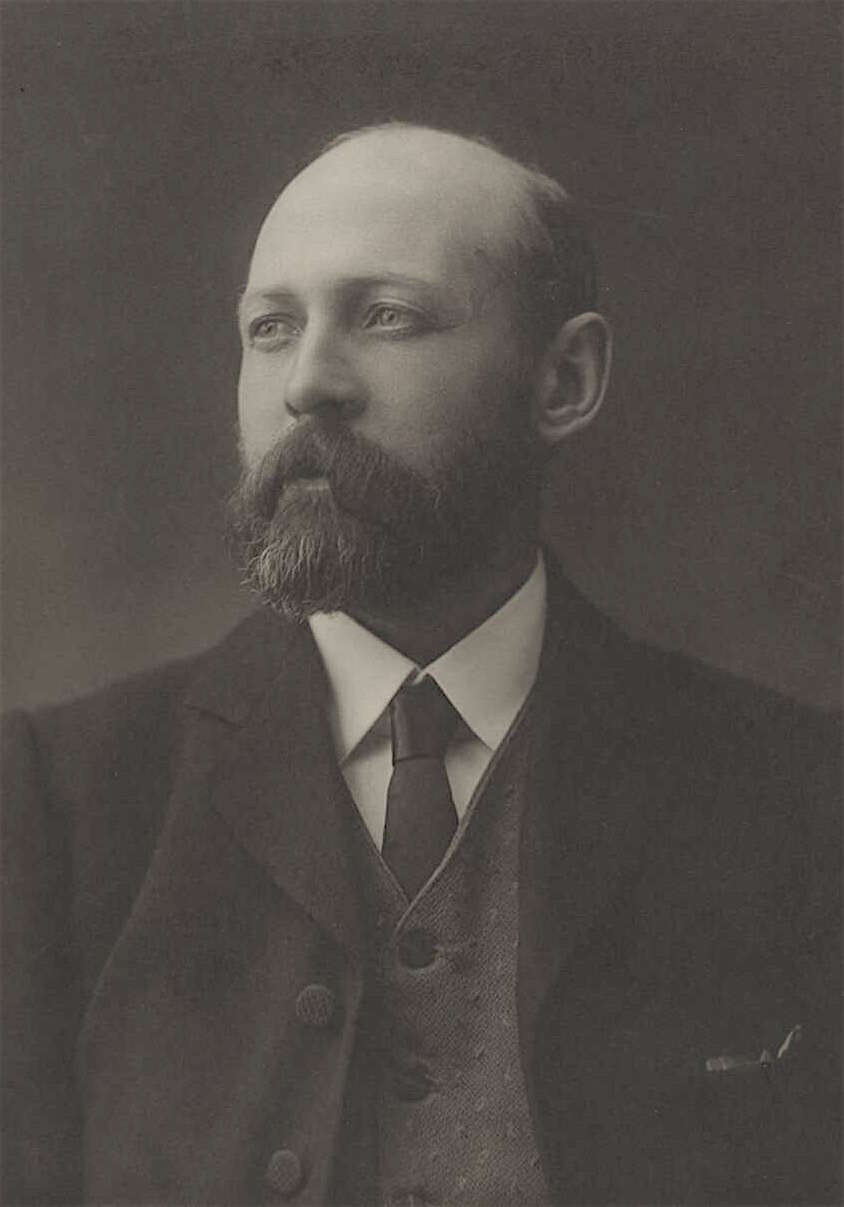




Early life and political rise
Born in Britain in 1860, Cook emigrated to Australia as a young man and worked in mining and industrial communities. He became active in trade union organisations and local labour politics before moving into parliamentary life. Over time Cook shifted away from the organised Labour movement and joined the non‑Labour, conservative parties of the era, rising through state and federal ranks. He gained a reputation for plain speech, organisational skill and a pragmatic approach to policy.
Prime ministership and policies
As prime minister he led a coalition of anti‑Labour forces and pursued a moderate conservative agenda. His government emphasised fiscal restraint, support for enterprise, and measures to strengthen defence and imperial ties. The administration was brief and largely occupied with constitutional and parliamentary contests common in the early federation period, and with responding to the rapidly developing European crisis of 1914. The outbreak of war sharpened public expectations and political divisions; within weeks of the war’s outbreak his government lost parliamentary support and was replaced following an election.
Later life and legacy
After leaving the prime ministership Cook remained active in public life for some years and received honours for his service. He later relocated to London, where he spent his retirement. Historians regard him as a transitional figure in Australian politics: someone whose working‑class origins and early union activity contrasted with his later leadership of conservative forces. His career illustrates the fluid party alignments and imperial connections that shaped Australia’s early federal era.
- Notable points: short premiership at the outbreak of a major war;
- from trade union roots to leadership of non‑Labour politics;
- later years spent in London, reflecting strong ties to the British Empire.
Related articles
Author
AlegsaOnline.com Joseph Cook: Sixth Prime Minister of Australia and early 20th‑century statesman Leandro Alegsa
URL: https://en.alegsaonline.com/art/122911