
Joseph Dalton Hooker: British botanist, explorer and pioneer of plant geography
British botanist (1817–1911), pioneer of geographical botany, close friend of Charles Darwin, director of Kew Gardens, and author of major regional floras and expedition reports.
Overview
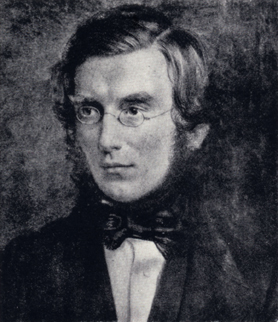
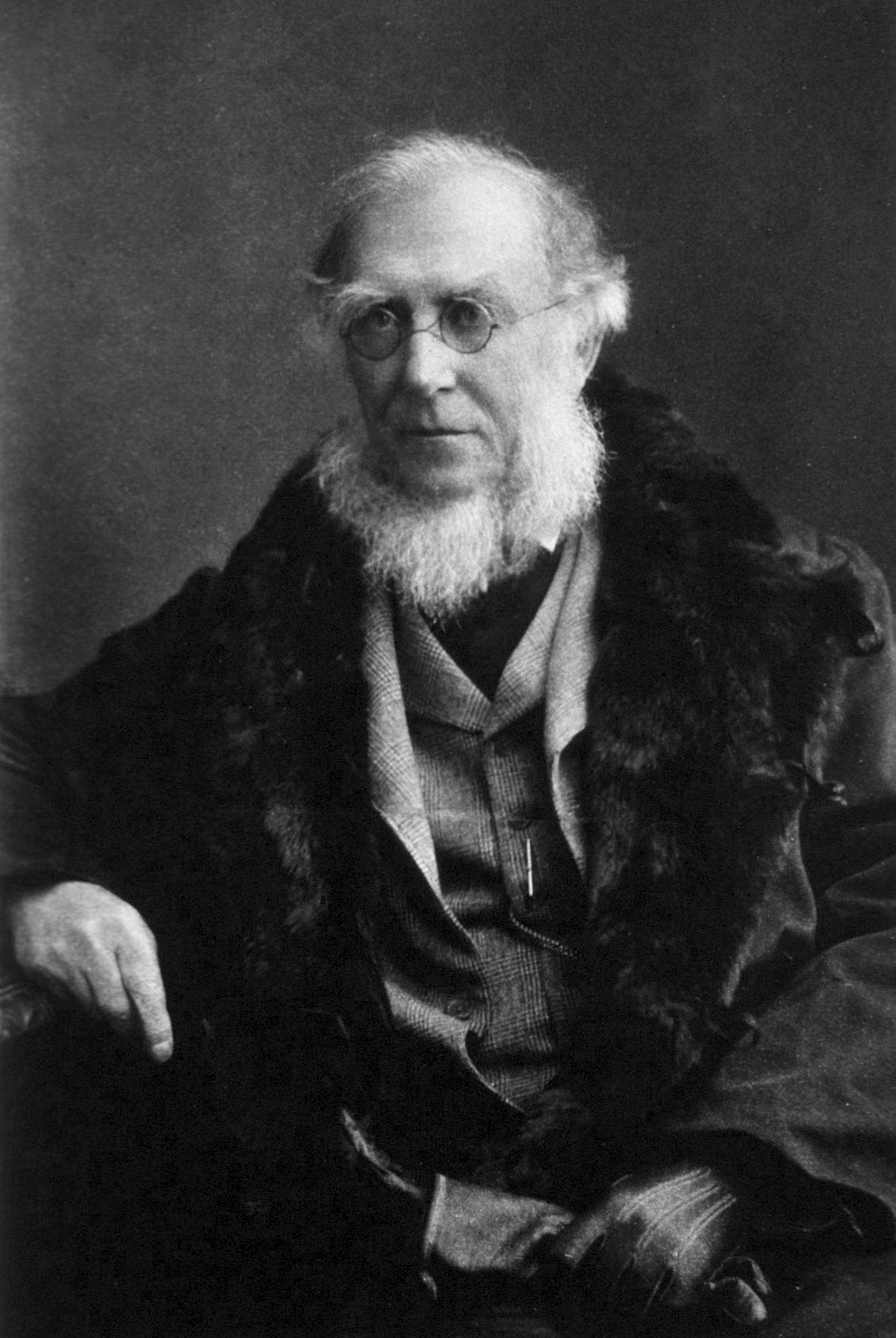
Joseph Dalton Hooker (30 June 1817 – 10 December 1911) was a leading British botanist and explorer of the nineteenth century. He is widely regarded as a founder of modern plant geography and one of the most influential systematic botanists of his era. A close collaborator and friend of Charles Darwin, Hooker combined field exploration with museum curation and administrative leadership during a long career that brought major collections and floras to scientific notice.
Image gallery
10 Images





Early life and expeditions
Born to the botanist William Jackson Hooker, he trained in medicine and natural history and served as an assistant surgeon and botanist on polar and southern voyages. These early expeditions produced extensive plant collections and formed the basis for several formative publications. His fieldwork ranged from Antarctic islands to the Indian subcontinent and the Himalaya, where he documented species diversity and geographic patterns.
Scientific contributions
Hooker helped establish geographical botany as a discipline by emphasizing the distribution of plants in relation to climate, geology and migration routes. He advanced botanical classification, described numerous species, and used comparative evidence from different regions to inform broader questions about plant evolution and biogeography. Fellowships and titles recognised his role in expanding scientific knowledge; he held honors such as OM, GCSI and CB, and trained generations of botanists.
Publications, leadership and examples
Hooker produced several influential works that remain reference points for regional botany. Notable titles include long-form floras and expedition reports that assembled species descriptions, distributional notes and ecological remarks. His administrative career culminated in two decades as Director of the Royal Botanic Gardens, Kew, where he improved collections, exchange networks and scientific publishing. He also held a medical degree (MD) and was widely regarded as a foremost botanist of his generation.
Legacy and influence
Hooker is remembered for integrating field observation with systematic study and for promoting international exchange of specimens and ideas. He was both a practical collector and a theoretician: his correspondence and collaboration with Darwin placed him at the heart of nineteenth‑century debates about species change. Writings and specimens from his expeditions continue to support taxonomy, conservation assessments and historical studies of plant distribution.
Selected highlights
- Fieldwork on polar and southern hemisphere voyages that yielded extensive herbarium material.
- Major regional floras and monographs that documented species and distributions.
- Two decades as Director of Kew, modernizing collections and publication practices.
- Close scientific association with Darwin and a prominent role in developing plant biogeography.
For further reading, see collected letters and expedition reports, and major floristic works that record Hooker’s field notes and taxonomic treatments. Related institutional and biographical resources are available through historical archives and museum collections linked from specialist catalogues and botanical libraries (honours and offices, biographical summaries, awards, titles, academic degrees, professional descriptions, disciplinary introductions, correspondence, institutional history).
Questions and answers
Q: Who was Joseph Dalton Hooker?
A: Joseph Dalton Hooker was a British botanist and explorer of the 19th century.
Q: What was Hooker's contribution to geography and botany?
A: Hooker was one of the founders of geographical botany.
Q: Who was Hooker's closest friend?
A: Charles Darwin was Hooker's closest friend.
Q: What position did Hooker hold at the Royal Botanical Gardens, Kew?
A: Hooker was Director of the Royal Botanical Gardens, Kew, for twenty years.
Q: Who was Hooker's predecessor at the Royal Botanical Gardens, Kew?
A: William Jackson Hooker was Hooker's predecessor at the Royal Botanical Gardens, Kew.
Q: Was Hooker recognized for his contributions to science?
A: Yes, Hooker was awarded the highest honours of British science.
Q: When did Hooker pass away?
A: Hooker passed away on December 10th, 1911.
Related articles
Author
AlegsaOnline.com Joseph Dalton Hooker: British botanist, explorer and pioneer of plant geography Leandro Alegsa
URL: https://en.alegsaonline.com/art/122912
Sources
- coolantarctica.com : Antarctic expedition, 1839-1843, James Clark Ross
- darwin.lib.cam.ac.uk : Letter number 1558: To J.D. Hooker. 10 March 1854.
- darjeelingnews.net : History of Darjeeling
- darwinproject.ac.uk : "Darwin Correspondence Project - Letter 714 — Darwin, C. R. to Hooker, J. D., (13 or 20 Nov 1843)"
- darwinproject.ac.uk : "Darwin Correspondence Project - Letter 729 — Darwin, C. R. to Hooker, J. D., (11 January 1844)"
- darwinproject.ac.uk : "Darwin Correspondence Project - Letter 734 — Hooker, J. D. to Darwin, C. R., 29 January 1844"
- darwinproject.ac.uk : "Darwin Correspondence Project - Letter 1058 — Darwin, C.R. to Hooker, J.D., 8 (Feb 1847)"
- darwinproject.ac.uk : "Darwin Correspondence Project - Letter 1066 — Hooker J.D. to Darwin C.R. (c. 4 Mar 1847)"
- darwinproject.ac.uk : "Darwin Correspondence Project - Letter 2345 — Darwin C.R. to Hooker J.D. 20 (Oct 1858)"
- americanscientist.org : Huxley, Wilberforce and the Oxford Museum
- wikidata.orgQ157501.html : wikidata.orgq157501.html
- adb.anu.edu.au : hooker-sir-joseph-dalton-3789
- authority.bibsys.no : 2099878
- catalogue.bnf.fr : cb12391191g
- data.bnf.fr : (data)