
Bloodhound: scent hound breed noted for exceptional tracking
Large scent hound originally bred for trailing game and people. Known for powerful nose, loose skin and long ears; used in police work, search and rescue and tracking competitions.
Overview
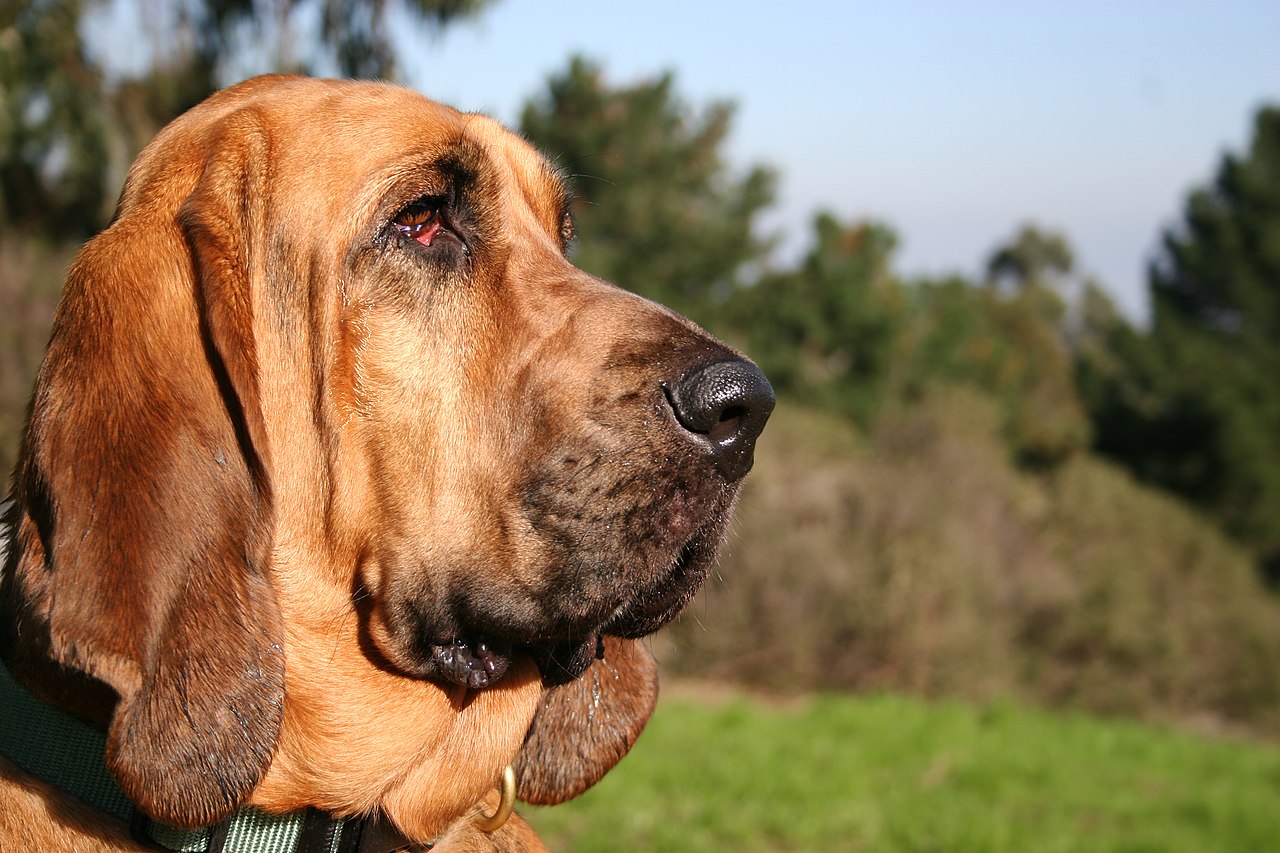
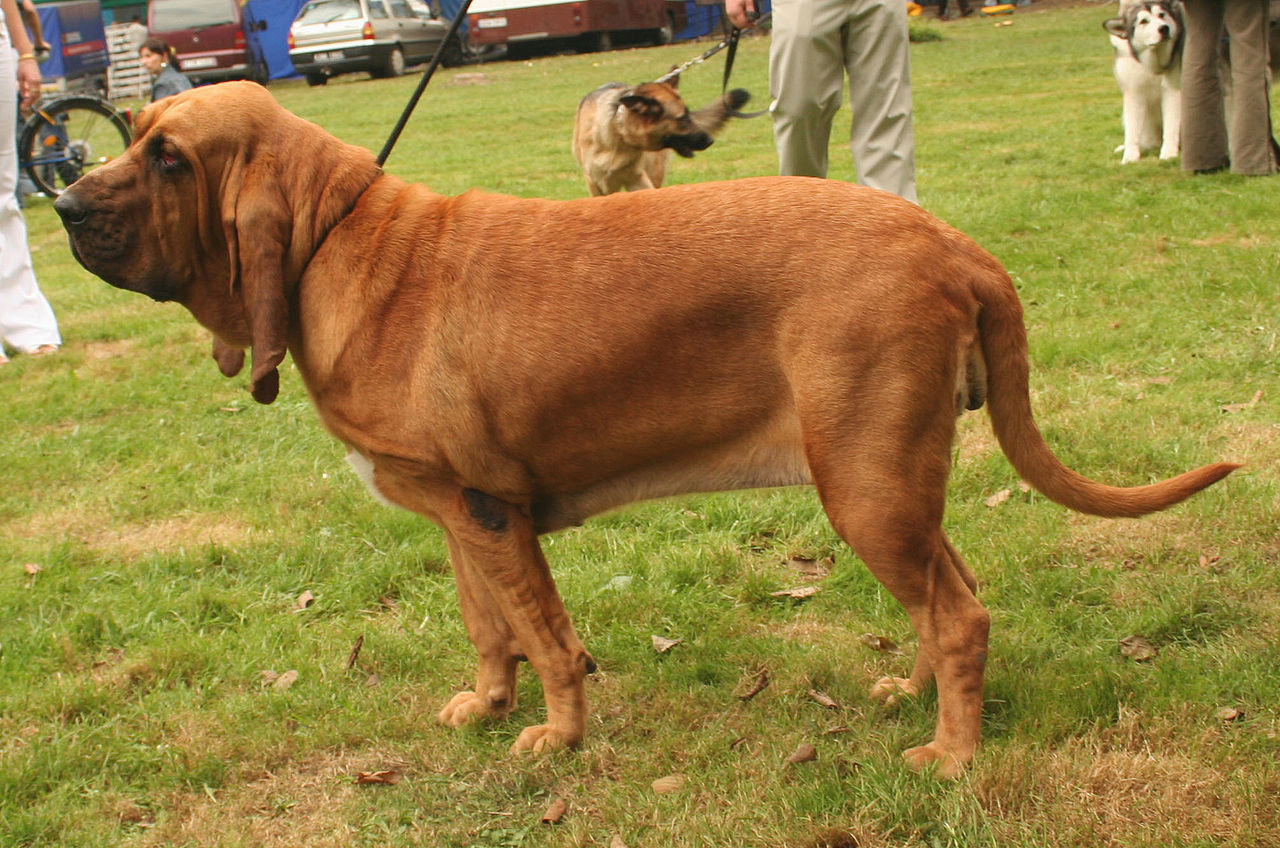
The Bloodhound is a large scent hound bred for trailing scents over long distances. Recognized for its long head, deep-set eyes, loose facial skin and long, pendulous ears, the breed is particularly renowned for its olfactory ability. Bloodhounds are gentle and devoted companions but are driven by a strong tracking instinct that often dominates their behavior. For a concise breed summary see breed overview.
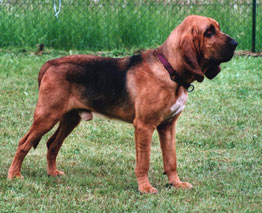
Image gallery
10 Images





Physical traits and senses
Typical adult males and females are large, with a heavy-boned frame, short coat and distinctive wrinkles on the face and neck. Commonly cited heights are in the mid-20-inch range and adult weight is substantial for a working hound. Their long ears and loose skin are functional: the ears sweep scents toward the nose and the folds help trap odor particles near the olfactory area. Bloodhounds possess an extraordinary sense of smell that allows them to follow scent trails that are hours or even days old. For technical information about scenting, consult resources on tracking ability and canine olfaction at research summaries.
History and development
Ancestors of the modern Bloodhound date back to medieval Europe. The breed is often associated with the St. Hubert Hound developed by monks in what is now Belgium and northern France. Over centuries selective breeding refined its scenting talent and endurance for trailing game and people. The Bloodhound entered organized kennel records and was later used by law enforcement and game wards for its reliable tracking performance. Historical notes and breed lineage can be explored via historical sources.
Uses, training and behavior
Bloodhounds are widely used in search and rescue, police tracking, lost-person searches and recreational trailing competitions. Training focuses on scent work and controlled recall because a dog following a trail may become single-minded. Their temperament is often described as affectionate, patient and sometimes stubborn; positive, scent-focused training methods work best. Owners and handlers can find practical guidance at training guides and community forums such as owner resources.
Health, care and notable facts
Like many large breeds, Bloodhounds are prone to certain hereditary conditions: hip dysplasia, entropion and ectropion of the eyelids, ear infections (due to pendulous ears) and bloat (gastric torsion). Regular ear cleaning, careful feeding routines and routine veterinary checks reduce risk. Lifespan figures vary by source; many Bloodhounds live into middle to senior years under good care. Practical care tips and health overviews are available at health resources and specialist veterinary pages such as canine health.
Distinctive qualities
- Scenting excellence: among top breeds for scent discrimination and trailing.
- Temperament: affectionate family dogs that require structured exercise and mental work.
- Appearance: long ears and loose facial skin give a characteristic look and practical scenting advantage.
Because of their unique combination of power, endurance and olfactory sensitivity, Bloodhounds remain one of the most respected scenting breeds in working and companion roles.
Related articles
Author
AlegsaOnline.com Bloodhound: scent hound breed noted for exceptional tracking Leandro Alegsa
URL: https://en.alegsaonline.com/art/12269
Sources
- britannica.com : "Bloodhound"
- thekennelclub.org.uk : "Report from the Kennel Club/ British Small Animal Veterinary Association Scientific Committee"
- commons.wikimedia.org : Bloodhound