
Blue-tongued skink (genus Tiliqua)
Large, robust skinks of the genus Tiliqua from Australasia, known for their bright blue tongue, omnivorous diet, and distinctive defensive displays. Found in diverse habitats and kept as companion reptiles.
Overview
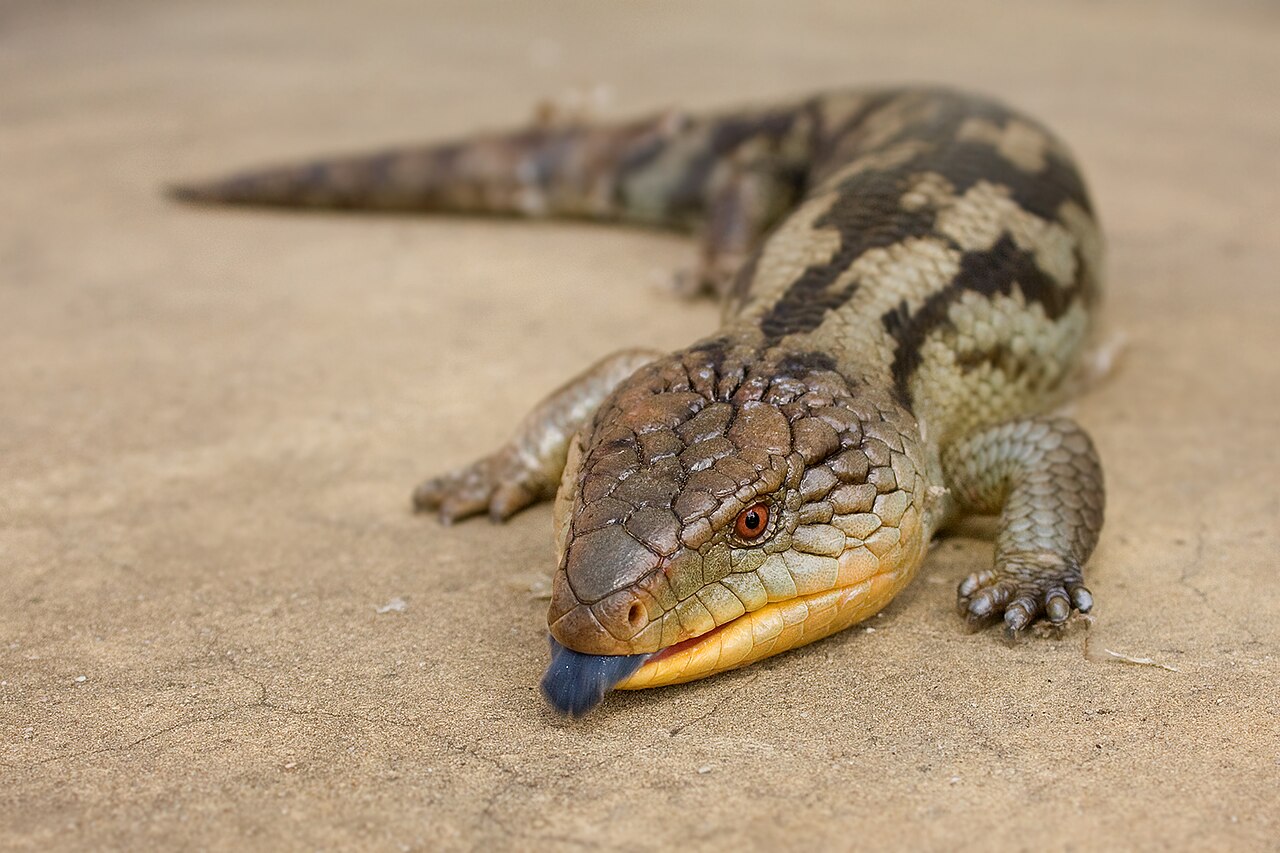
Blue-tongued skinks are members of the genus Tiliqua, a group of stout, ground-dwelling reptiles native to Australasia. They belong to the broader group commonly called skinks in the family Scincidae. In Australia these reptiles are often referred to as blue-tongues, blue-tongue lizards, shinglebacks or the sleepy lizard (local names vary by region). The striking blue tongue that gives the group its common name is a conspicuous defensive feature used to deter predators.
Image gallery
10 Images



Physical characteristics
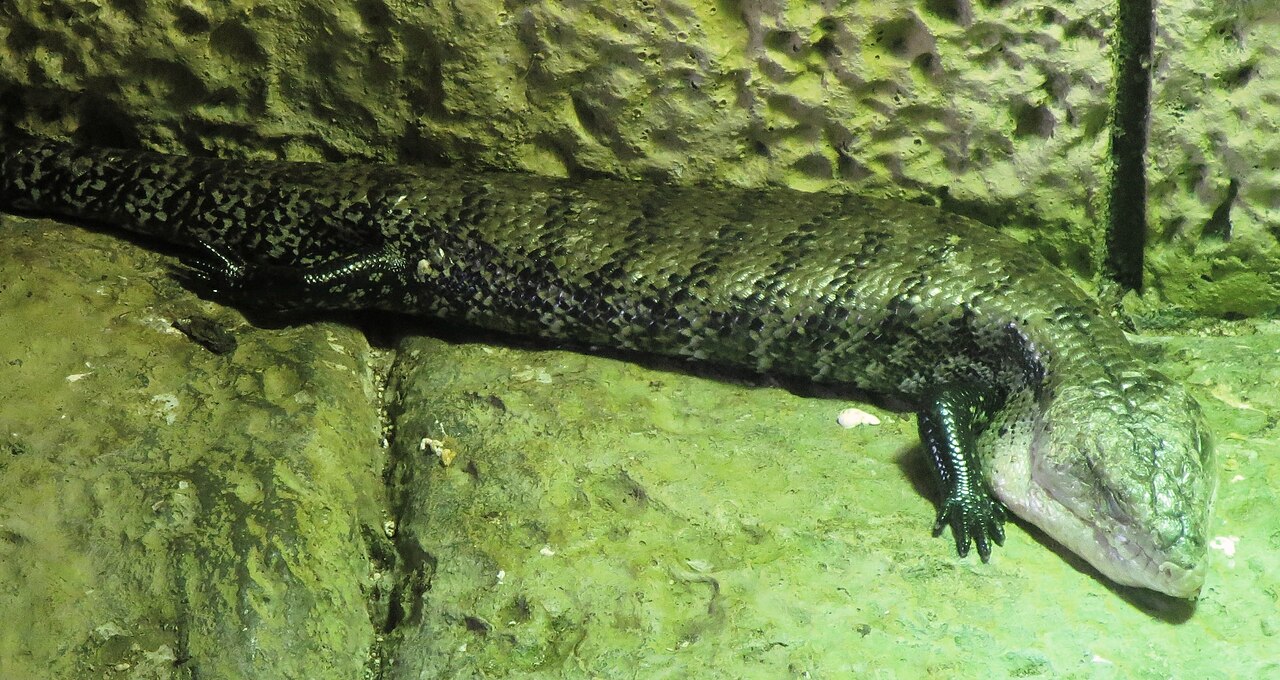
Blue-tongued skinks have broad, flattened bodies with short limbs and smooth, overlapping scales. Size varies by species, from medium to relatively large for skinks. The tongue itself is glossy and blue to deep indigo; when flashed it creates a visual warning that can startle or confuse predators. Tail shape differs among species: some have long tapering tails while others, such as the shingleback, possess short, stout tails.
Behavior, diet and notable species
These skinks are primarily diurnal and move deliberately rather than quickly sprinting. They are omnivores: their diet commonly includes insects, snails, fruits, flowers and small vertebrates. Defensive behaviors include mouth-gaping, tongue-display, hissing and curling the body to expose the tail. Several well-known species include:
- Tiliqua scincoides (eastern blue-tongue)
- Tiliqua rugosa (shingleback or bobtail)
- Tiliqua gigas (Indonesian blue-tongue)
Reproduction and social traits
Unlike many reptiles that lay eggs, most blue-tongued skinks are viviparous and give birth to fully formed young. Litter sizes and reproductive frequency vary with species and local conditions. Some populations, notably of the shingleback, have attracted attention for forming long-term pair bonds; however, parental care beyond birth is generally limited.
Habitat, distribution and conservation
Blue-tongues occupy a wide range of habitats including woodlands, grasslands, coastal scrub and urban edges across Australia and nearby islands. Threats include habitat loss, vehicle strikes and illegal collection for the pet trade. Conservation status depends on the species and region; many maintain stable populations, while local declines have prompted monitoring and protective measures.
Human interactions and captive care
These skinks are popular in the pet trade because of their calm temperament and distinctive appearance. Responsible captive care requires appropriate enclosure size, temperature gradients for basking, UV lighting, and a balanced omnivorous diet. Prospective keepers should check local regulations and ensure animals are sourced legally and with attention to welfare.
For general taxonomy and further reading about the region and family, see authoritative resources: Australasian reptiles, the genus entry Tiliqua, family overview Scincidae, common skink articles skink information, and regional naming and cultural notes Australian common names.
Questions and answers
Q: What is a blue-tongued skink?
A: A blue-tongued skink is a type of lizard that belongs to the Australasian genus, Tiliqua.
Q: How big are the members of the skink family in Tiliqua?
A: Members of the skink family in Tiliqua are some of the largest in size.
Q: What are blue-tongued skinks also known as?
A: Blue-tongued skinks are also known as blue-tongued lizards, shinglebacks, or the sleepy lizard in Australia.
Q: What is the main feature of the Tiliqua genus?
A: The main feature of the Tiliqua genus is a large blue tongue that can be used to scare away enemies.
Q: What is the scientific name of the skink family that blue-tongued skinks belong to?
A: Blue-tongued skinks belong to the skink family called Scincidae.
Q: Are blue-tongued skinks native to Australia?
A: Yes, blue-tongued skinks are native to Australia.
Q: Why do blue-tongued skinks have a blue tongue?
A: Blue-tongued skinks have a blue tongue that can be used as a defense mechanism to scare away enemies.
Related articles
Author
AlegsaOnline.com Blue-tongued skink (genus Tiliqua) Leandro Alegsa
URL: https://en.alegsaonline.com/art/12380
Sources
- dx.doi.org : 10.1016/j.ympev.2005.12.011
- vhs.com.au : Monitor