
John Hospers: Philosopher and Early Libertarian Leader
Overview of John Hospers (1918–2011), his work as an American philosopher, involvement with the libertarian movement, 1972 presidential candidacy, relationship with Ayn Rand, and lasting influence.
Overview
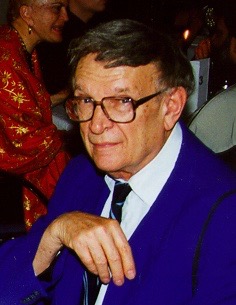
John Hospers (June 9, 1918 – June 12, 2011) was an American philosopher and public intellectual who became known for his work on moral and political questions and for his role in the emerging libertarian movement. He also took part in political organizing as a political activist and ran for high office as a means to promote classical‑liberal ideas. Early in his career he had a personal and intellectual acquaintance with the novelist and thinker Ayn Rand, though their views and association later diverged.
Image gallery
4 Images

Philosophy and academic work
Hospers spent much of his career as a teacher, writer, and critic. He was trained in analytic methods and wrote on topics in ethics, aesthetics, and political philosophy. His work emphasized clear argumentation and the examination of principles such as individual rights, moral responsibility, and the normative limits of state power. Over decades he produced books, essays, and textbooks intended both for specialists and for general readers seeking a rigorous introduction to philosophical issues.
Political activity and the 1972 campaign
Hospers was an early, public advocate of what is often called modern American libertarianism: a political stance that stresses personal liberty, limited government, free markets, and protection of civil liberties. In 1972 he became the first person nominated for president by the national Libertarian Party, which had formed as an organized vehicle for these ideas. The ticket drew attention beyond grassroots meetings when, in the 1972 U.S. presidential election, a faithless elector cast a presidential electoral vote for the Libertarian ticket — making Hospers the only minor‑party presidential candidate that year to receive an electoral vote and simultaneously raising the profile of the new party.
Relationship with Ayn Rand
Hospers and Ayn Rand shared an early interest in individualism and a critique of collectivist doctrine. They corresponded and interacted in the broader community of writers and thinkers concerned with liberty. However, Hospers remained an independent philosopher and did not adopt Rand's Objectivist movement wholesale; differences in method, emphasis, and philosophical commitments meant that he and Rand occupied distinct intellectual positions.
Legacy and notable facts
Hospers is remembered for combining academic work with public advocacy. His candidacy in 1972 is often cited in histories of American third parties as a formative moment for the Libertarian Party, helping it gain national visibility. He continued teaching, writing, and speaking on philosophical and political themes for many years and lived to the age of 93. His life illustrates a strand of twentieth‑century American thought that sought to bring philosophical clarity to public debates about liberty and the role of government.
Quick facts
- Born June 9, 1918; died June 12, 2011.
- First presidential nominee of the national Libertarian Party in 1972.
- Had an early association with Ayn Rand and remained an active contributor to discussions of liberal political philosophy.
- Known for writings on ethics, aesthetics, and political theory; he aimed to make philosophical analysis accessible to a wider audience.
- Further reading and archival materials are available through academic and libertarian historical resources (philosophical profiles, political archives).
Related articles
Author
AlegsaOnline.com John Hospers: Philosopher and Early Libertarian Leader Leandro Alegsa
URL: https://en.alegsaonline.com/art/122502
Sources
- lp.org : "John Hospers, first Libertarian presidential nominee, dies at 93"
- reason.com : "John Hospers, RIP"