
John Dewey (1859–1952)
American philosopher, psychologist, and education reformer whose pragmatist ideas and ‘learning by doing’ approach reshaped progressive education and influenced democratic theory and public schooling.
Overview
John Dewey was an American philosopher, psychologist, and educational reformer whose work linked philosophy to everyday life and democratic practice. Born in Burlington, Vermont in 1859 and passing in 1952, Dewey became one of the most influential figures in progressive education and American pragmatism. He argued that thought and ideas should be tested through action and that schools should prepare individuals to participate in a democratic society.
Image gallery
10 Images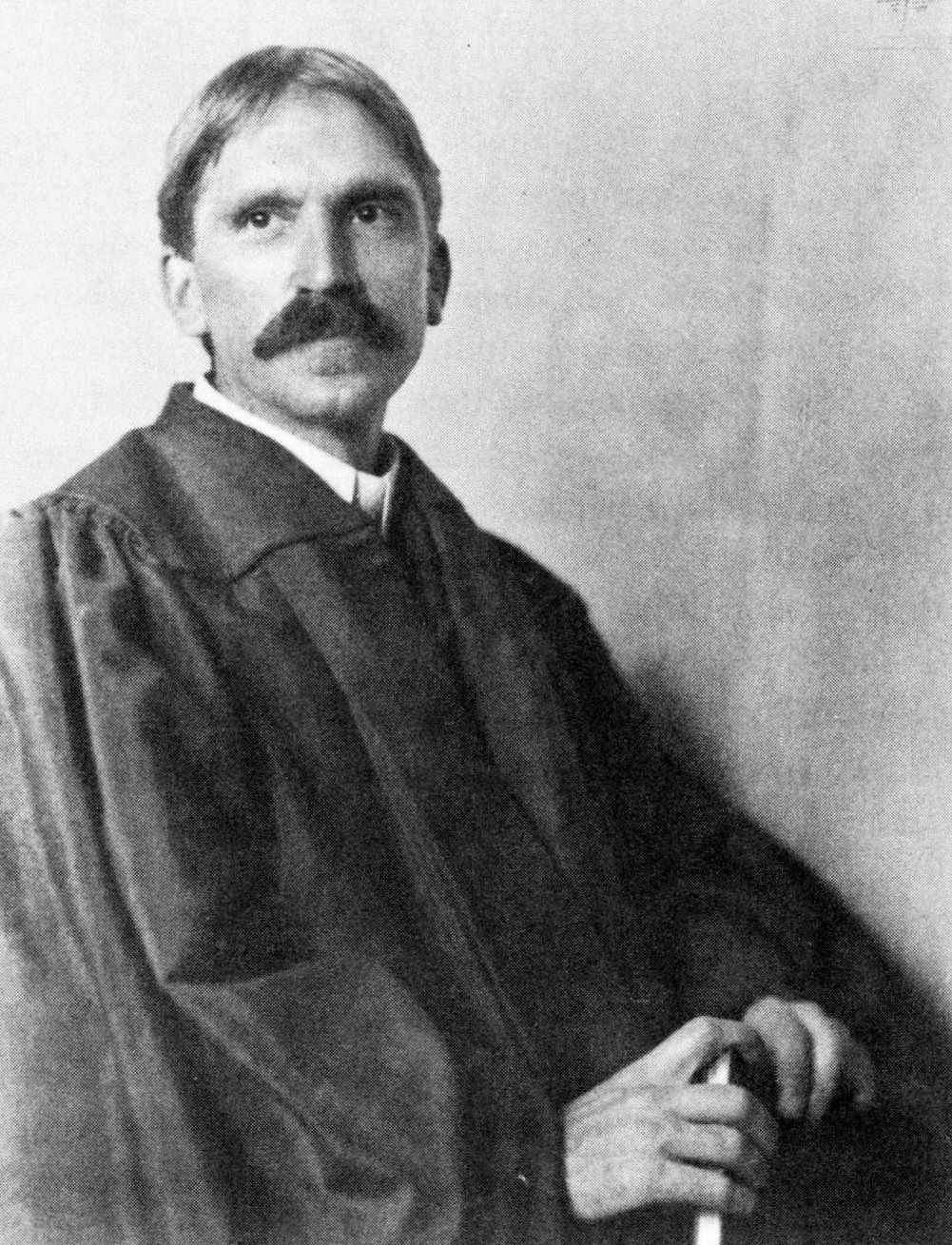


Education and early career
Dewey completed his undergraduate studies at the University of Vermont and pursued graduate work at Johns Hopkins University, where he engaged with emerging currents in psychology and philosophy. Early in his career he published on the new psychology of the time and began teaching at several institutions. He later held prominent academic posts that allowed him to combine theoretical writing with practical experiments in schooling.
Philosophy and educational practice
Dewey’s educational ideas emphasized experience, inquiry, and the practical testing of ideas. He opposed rote memorization and rigid discipline, favoring curricula organized around real problems and projects. His Laboratory School—often called the Dewey School—served as a site to try out methods that connected classroom learning to community life. Dewey’s wife, Alice Chipman Dewey, played an active role in the school’s administration and teaching during its early years.
Key concepts and intellectual contributions
In philosophy Dewey is associated with pragmatism and a related stance called instrumentalism: the view that concepts and theories are instruments for solving human problems rather than reflections of an absolute reality. He described inquiry as an experimental, social process and stressed the continuity between theory and practice. In psychology he helped move the field toward functional and applied approaches that examine behavior in context.
Impact and legacy
Dewey’s ideas shaped teacher education, curriculum design, and progressive education movements around the world. His insistence that schooling be responsive to children’s interests and community needs influenced twentieth‑century reforms and continues to inform contemporary active-learning and project-based approaches. Dewey’s writings on democracy linked educational aims to broader social and political reconstruction, making him a frequent reference point in debates about civic education and participatory institutions.
Principles of Deweyan education
- Learning by doing: knowledge arises through active engagement with problems.
- Experience-centered curriculum: instruction should connect to students’ lives and interests.
- Social interaction: cooperation and communication are central to intellectual growth.
- Reflective inquiry: thinking is a disciplined process of forming and testing hypotheses.
- Education for democracy: schools prepare citizens for participation in social life.
Selected works and further reading
- Democracy and Education — Dewey’s major work linking schooling to democratic life.
- The School and Society — Practical discussions of classroom organization and community projects.
- Experience and Nature — A statement of Dewey’s naturalistic philosophy.
External links
- Biography and overview of Dewey’s life
- Dewey’s contributions to psychology
- Information about Dewey’s early life in Burlington, Vermont
- University of Vermont: alumni and historical notes
- Johns Hopkins connections and graduate studies
- Writings on philosophy and pragmatism
- Resources related to Dewey and psychology
- Materials on Dewey’s educational experiments and pragmatism
Questions and answers
Q: Who was John Dewey?
A: John Dewey was an American psychologist and philosopher born in Burlington, Vermont.
Q: Where did John Dewey graduate from?
A: John Dewey graduated from the University of Vermont.
Q: What did John Dewey publish in the Andover Review in 1884?
A: John Dewey published "The New Psychology" paper in the Andover Review in 1884.
Q: What did John Dewey teach at universities?
A: John Dewey taught psychology at universities.
Q: Who did John Dewey marry?
A: John Dewey married his former student Alice Chipman.
Q: What did John Dewey's "Laboratory School" teach?
A: John Dewey's "Laboratory School" taught pragmatism, which is the idea that a school's curriculum should be based on everyday life and hands-on activities to better help students learn.
Q: When did John Dewey die?
A: John Dewey died in 1952.
Related articles
Author
AlegsaOnline.com John Dewey (1859–1952) Leandro Alegsa
URL: https://en.alegsaonline.com/art/122421
Sources
- muskingum.edu : muskingum.edu