
Ayn Rand: Novelist, Philosopher and Founder of Objectivism
Overview of Ayn Rand (Alisa Rosenbaum), her major novels, the core ideas of Objectivism, career and influence, controversies, and her continuing cultural legacy.
Ayn Rand was the pen name of Alisa Zinovyevna Rosenbaum (1905–1982), a Russian‑born novelist, playwright, screenwriter and philosopher who became an influential figure in twentieth‑century American letters and political thought. Best known for the novels The Fountainhead and Atlas Shrugged, Rand developed and promoted a philosophical system she called Objectivism, which argues that reason, individual rights and laissez‑faire capitalism are the foundations of a free and flourishing society.
Image gallery
10 Images


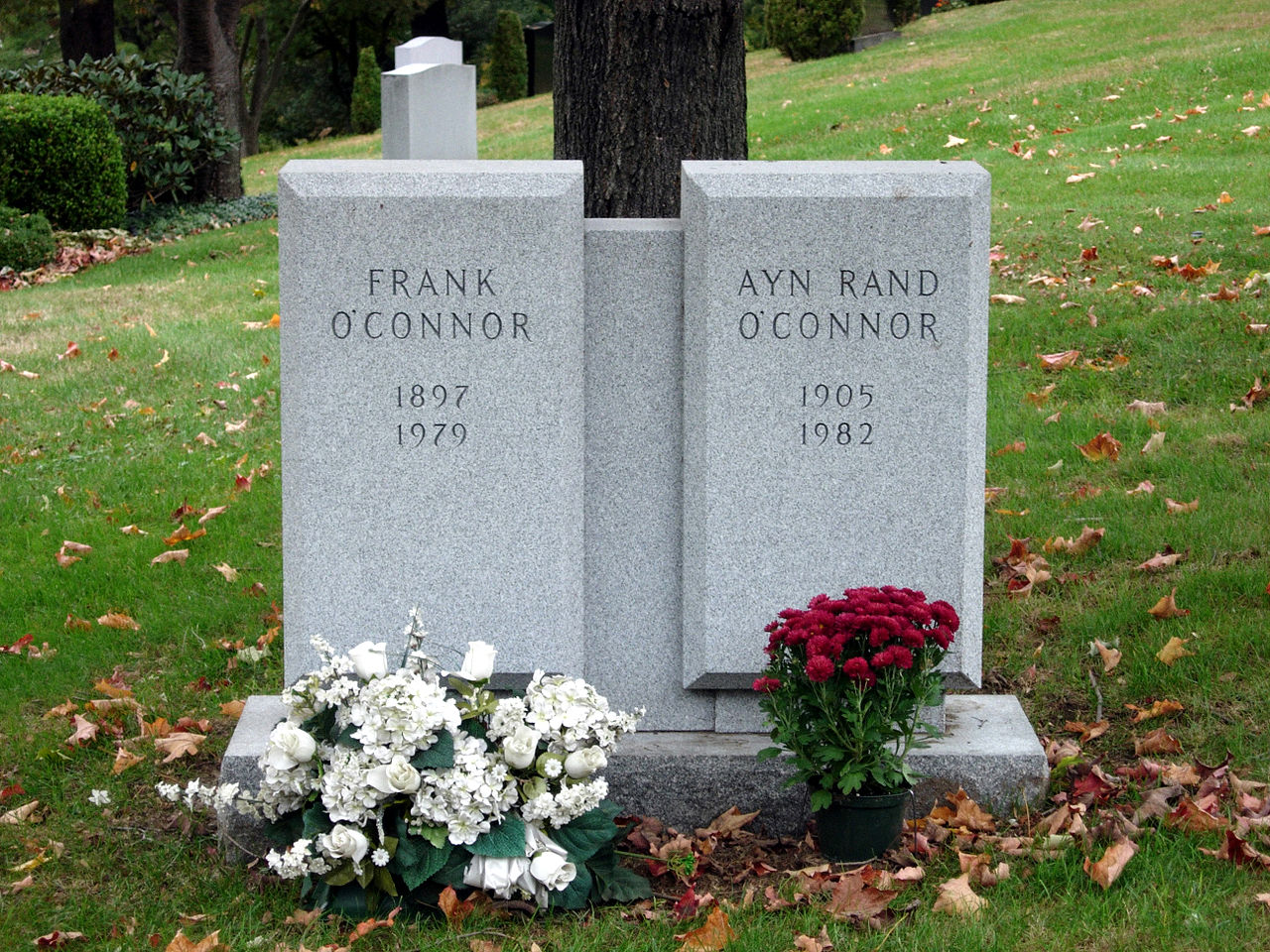



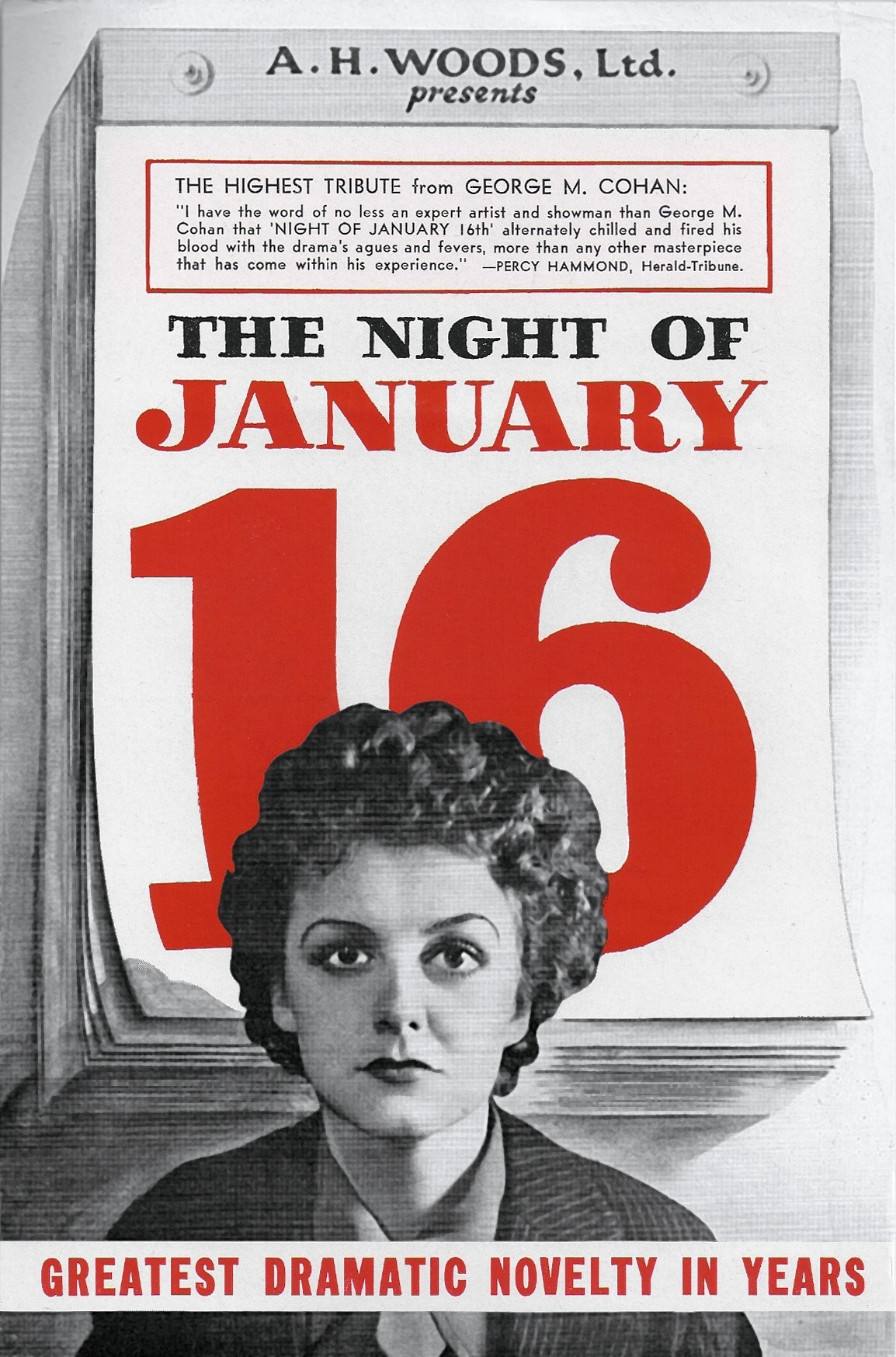
Overview and major works
Rand began publishing fiction in the United States in the 1930s and rose to national prominence with The Fountainhead, which dramatized artistic integrity and individualism, and later with the large‑scale social novel Atlas Shrugged, which presents a dystopian allegory about the suppression of creative and productive individuals. Earlier and shorter novels and novellas, including We the Living and Anthem, explore themes of freedom and the individual’s struggle under collectivist systems. In addition to fiction, Rand wrote essays and nonfiction books that set out her philosophical positions.
Core ideas of Objectivism
Objectivism is built around a set of interrelated claims about reality, knowledge, ethics, politics and art. These are commonly summarized as:
- Metaphysics: reality exists independently of consciousness—"facts are facts" and objective reality is the starting point for thought.
- Epistemology: reason is the only means of acquiring knowledge; emotions are not a substitute for rational thinking.
- Ethics: the moral ideal is rational self‑interest or productive achievement rather than altruistic self‑sacrifice.
- Politics: the proper social system protects individual rights through limited government and free‑market capitalism.
- Aesthetics: art should present life as it might and ought to be, celebrating chosen values and purposeful action.
Career and methods
Rand worked in several literary forms: novels, plays, film scenarios and polemical essays. She drew on her background and experience as an immigrant and as a writer in Hollywood to shape narratives that combine dramatic plots with extended philosophical argument. Her nonfiction collections and essays set out her positions with clarity and force, often in trenchant, uncompromising language that attracted devoted followers as well as determined critics.
Reception, influence and criticisms
Rand’s work has had a lasting and contested influence. Admirers credit her with a spirited defense of individual rights, the moral case for entrepreneurship, and a culture of ideas around personal liberty. Her philosophy has influenced libertarian and conservative thinkers, business leaders and popular culture. Critics have challenged both her ethical doctrine of rational self‑interest and the dogmatic tone of some followers, arguing that her dismissal of altruism and collectivist concerns can be one‑sided and that her philosophical system lacks rigorous engagement with competing traditions. Debates about her ideas remain active in philosophy, politics and education.
Legacy and organizations
After her death, Rand’s novels continued to sell widely and organizations and scholars have promoted study and advocacy of Objectivism. The term "Objectivism" and many of her novel‑based symbols and phrases have entered public discussion. While Rand remains a polarizing figure, her combination of literary storytelling and explicit philosophical argument ensured she would be remembered as a distinctive voice linking culture, ethics and public policy.
Further reading and resources
- Biographical overview and chronology
- Pen name and early life details
- Context of Rand's Russian background
- Rand's life in the United States
- Collections of essays and nonfiction
- Work in film and screenwriting
- Plays and stage work
- Publication history in mid‑20th century America
- The Fountainhead: themes and reception
- Atlas Shrugged: overview and analysis
- We the Living and Anthem: shorter novels
- Rand's views on capitalism and markets
- Political implications of Objectivism
- Connections to libertarian and conservative thought
- Foundations of Objectivist philosophy
- Personal life: marriage and family
- Critical responses and scholarly debate
- Contemporary organizations and study groups
Questions and answers
Q: What was Alice O'Connor's real name?
A: Alice O'Connor's real name was Alisa Zinovyevna Rosenbaum.
Q: How was Ayn Rand known as a writer?
A: Ayn Rand was known as a writer, screenwriter, playwright, and philosopher.
Q: What were Ayn Rand's two best-selling novels?
A: Ayn Rand's two best-selling novels were Atlas Shrugged and The Fountainhead.
Q: What political and social goal did Ayn Rand's novels promote?
A: Ayn Rand's novels promoted a viewpoint of laissez-faire capitalism as a political and social goal.
Q: What kind of political philosophy did Ayn Rand call her philosophy?
A: Ayn Rand called her philosophy 'objectivism'.
Q: Who was Ayn Rand's husband?
A: Ayn Rand's husband was American actor and artist Frank O'Connor.
Q: At what age did Alice O'Connor die?
A: Alice O'Connor died at the age of 77 on March 6, 1982.
Related articles
Author
AlegsaOnline.com Ayn Rand: Novelist, Philosopher and Founder of Objectivism Leandro Alegsa
URL: https://en.alegsaonline.com/art/7882