
John Fortune: British satirist, comedian, writer and actor
Concise profile of John Fortune (1939–2013), English satirist, comedian, writer and actor best known for his work with John Bird and Rory Bremner on Bremner, Bird and Fortune; career, style and legacy.
John Fortune (30 June 1939 – 31 December 2013) was a British satirist, comedian, writer and actor. He became widely known for his long-running collaboration with John Bird and, later, Rory Bremner on the television programme often referred to as Bremner, Bird and Fortune. Fortune combined scripted material and improvised elements to create a distinctive form of broadcast satire that examined politics, business and public life.
Image gallery
1 Image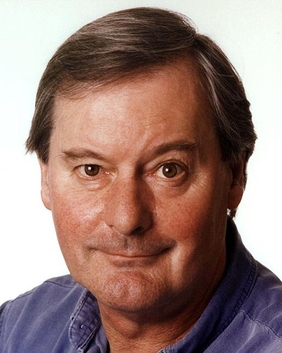
Early life and education
Fortune was educated at Bristol Cathedral School and read at King's College, Cambridge, where he became involved in student theatre and met a number of future collaborators. His time at Cambridge introduced him to theatrical and satirical circles that shaped his later work in radio and television, and honed a taste for verbal precision and argument-driven humour.
Career and notable work
Across stage, radio, television and occasional film appearances, Fortune worked as both performer and writer. He is best remembered for a series of short, tightly written sketches and faux interviews in which he often played a convincing authority figure. These sketches exposed absurdities and inconsistencies in official language and policy by allowing an ostensibly rational character to make increasingly implausible or unethical arguments in a calm, measured voice.
- Bremner, Bird and Fortune — the programme that brought Fortune widespread recognition for its satirical analysis of contemporary affairs.
- Radio and stage work — contributions to sketch shows and theatrical pieces where his writing and delivery featured prominently.
- Television acting — occasional dramatic and comic roles beyond his satirical persona.
Style and influence
Fortune's humour relied on deadpan delivery, refined phrasing and the rhetorical technique of letting illogic emerge from apparently sensible prose. By adopting the manner of an expert or official he could illuminate how language is used to obscure or justify policy. This approach influenced later practitioners of political satire who use character-based interviews and mock expertise as tools of critique.
Personal life and legacy
Colleagues and critics praised Fortune for his intelligence, economy of delivery and collaborative skills. He maintained a reputation as a thoughtful satirist who preferred precision over invective. John Fortune died from leukaemia on 31 December 2013 at the age of 74. His work with John Bird and others remains a reference point for British televised satire, and recordings of his sketches continue to be studied and cited in discussions of political comedy.
For readers seeking further information, biographies, interviews and archival footage are available through specialist media archives and published collections that discuss post‑war British satire. Contemporary accounts of his collaborations and the context of late twentieth‑century political satire provide useful background to his methods and lasting influence.
Representative sources and programme guides may be consulted for a fuller filmography and list of broadcasts; they shed light on the range of formats in which Fortune worked and on the evolution of his satirical voice over several decades.
Related articles
Author
AlegsaOnline.com John Fortune: British satirist, comedian, writer and actor Leandro Alegsa
URL: https://en.alegsaonline.com/art/122457
Sources
- theguardian.com : "John Fortune dies at 74"
- ftvdb.bfi.org.uk : "Bremner, Bird and Fortune"
- bbc.co.uk : John Fortune dies aged 74
- itv.com : "Comedian John Fortune dies aged 74"
- news.sky.com : "Comedian John Fortune Dies Aged 74"