
John Foster Dulles
American lawyer and statesman; U.S. Secretary of State (1953–1959) under President Dwight D. Eisenhower, known for shaping Cold War policy, alliance-building, and a firm anti-communist stance.
Overview
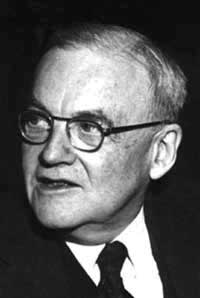
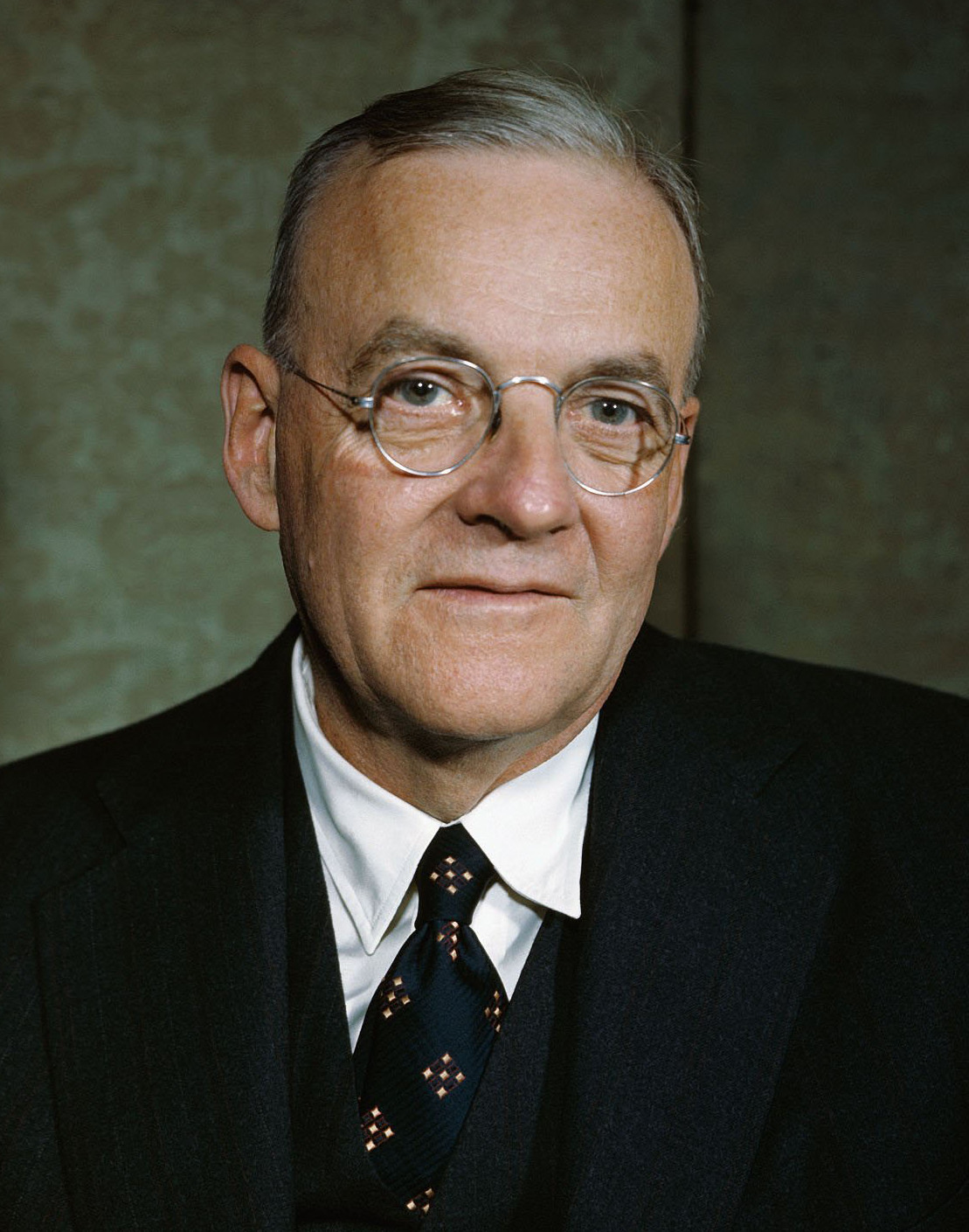
John Foster Dulles (25 February 1888 – 24 May 1959) was an American lawyer and diplomat who served as United States Secretary of State from 1953 to 1959 in the administration of President Dwight D. Eisenhower. He became one of the leading architects of U.S. foreign policy during the early Cold War, advocating a forceful stance against Soviet expansion and the spread of communism.
Image gallery
7 Images


Background and career
Dulles trained as a lawyer and spent many years in private practice before entering government service. He came from a family long involved in diplomacy and international affairs, and his older brother later served as Director of the Central Intelligence Agency. Dulles combined legal training with a strongly moralistic view of international politics and applied that outlook to statecraft.
Policies and influence
As Secretary of State he promoted collective security and the strengthening of alliances such as NATO and new pacts in Asia and the Middle East. His approach emphasized deterrence, readiness to use nuclear strength when necessary, and a willingness to counter communist influence by political, economic and covert means. Critics labeled his tactics as brinkmanship, while supporters argued they helped contain Soviet ambitions.
Key initiatives and examples
- Expansion and reinforcement of alliance systems in Europe and Asia.
- Support for covert operations and intelligence activities to protect U.S. interests abroad.
- Public articulation of policies that relied on far-reaching deterrence and diplomatic pressure.
Legacy and assessment
Dulles remains a controversial figure: admired for energy, clarity of purpose, and influence in building postwar security structures, yet criticized for a rigid worldview and for backing interventions that had complex long-term consequences. He left office in 1959 because of ill health and died shortly thereafter. Historians continue to debate the effectiveness and moral dimensions of his policies.
For more on his life and diplomatic career see resources on the history of U.S. foreign policy and biographies of leading Cold War figures. Additional contextual material is available through government archives and scholarly studies: central resources, diplomatic records, and collections relating to the Eisenhower administration (administration overview).
Related articles
Author
AlegsaOnline.com John Foster Dulles Leandro Alegsa
URL: https://en.alegsaonline.com/art/122459
Sources
- bioguide.congress.gov : "DULLES, John Foster, (1888 - 1959)"
- arlingtoncemetery.net : "John Foster Dulles"
- time.com : "THE NATION: Man of the Year"