
Jake “The Snake” Roberts
Profile of Jake Roberts, the American professional wrestler known for his psychological promos, the DDT finishing move, snake gimmick, career in major promotions, struggles and later recovery.
Overview
Aurelian Jake Smith Jr., known professionally as Jake "The Snake" Roberts (born May 30, 1955), is an American professional wrestler whose in-ring persona and macabre presentation made him one of the most memorable characters of the 1980s and 1990s. A second-generation performer, he is the son of wrestler Aurelian "Grizzly" Smith. Roberts built a reputation for quiet, menacing promos, a slow, calculating ring style, and the use of exotic snakes as part of his act.
Image gallery
10 Images



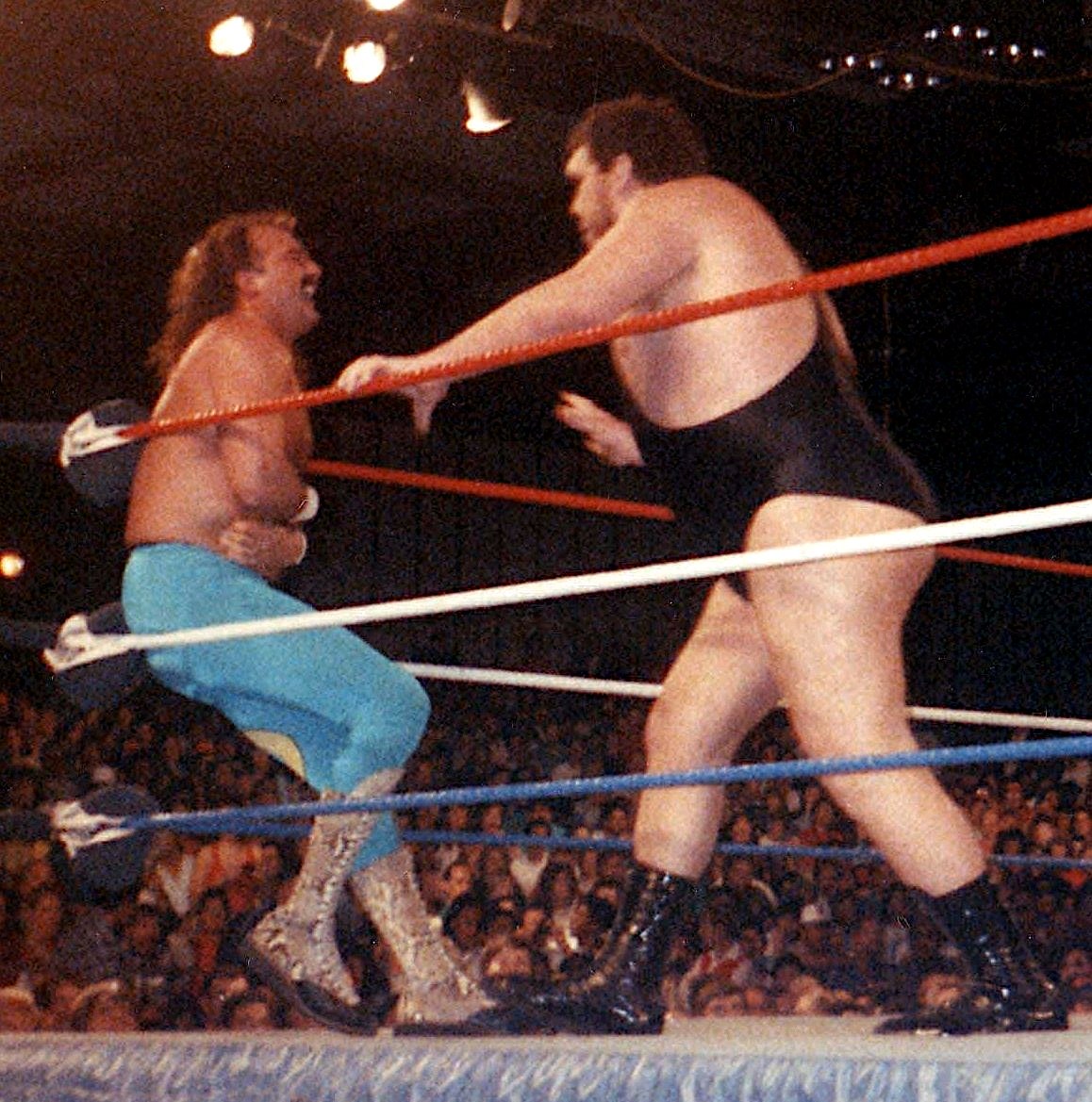


In-ring style and character
Roberts was distinguished by psychological storytelling rather than fast-paced athleticism. He popularized the DDT, a finishing maneuver that became a staple of professional wrestling, and often used long-range tactics, submission awareness, and timing to create dramatic finishes. His promos were delivered in a low, conversational tone that underscored menace and unpredictability, setting him apart from louder, more bombastic contemporaries.
Gimmick and presentation
One of Roberts's signature elements was introducing live snakes to the ring, usually after a match or during a segment to humiliate an opponent. The most famous of these animals was a python named Damien. The snakes and the image of Roberts cradling them amplified his sinister persona and contributed significantly to his pop-culture recognition.
Career highlights and promotions
Roberts spent notable periods of his career in several major North American promotions. He rose to prominence in what became the World Wrestling Federation and later worked with World Championship Wrestling (WCW) and Extreme Championship Wrestling (ECW), among other regional organizations. His feuds and alliances with top stars of the era made him a regular on national television and pay-per-view events. Decades after his initial run, he made a surprise return on the January 6, 2014 episode commonly referred to as Old School Raw, in which he dumped a snake on the face of a recovering opponent, Dean Ambrose.
Personal struggles and recovery
Outside the ring, Roberts's life involved well-documented struggles with alcohol and prescription drug addiction that affected his health and career opportunities. Over time he sought treatment and entered rehabilitation programs; his path to recovery has been publicly noted as an important part of his later life story, including assistance and encouragement from fellow performers and programs focused on physical and mental rehabilitation.
Legacy and recognition
Roberts's influence is visible in how contemporary wrestlers emphasize character work and psychological selling. He was honored by the wrestling community when commentator Jerry Lawler announced his induction into the WWE Hall of Fame class of 2014; the official induction and related appearances reaffirmed his standing in the sport's history (Jerry Lawler announced he was the second entrant in the WWE Hall of Fame Class of 2014). Fans and historians often cite Roberts as a pioneer of in-ring storytelling and one of the most effective non-physical elements of wrestling performance.
Notable traits and moves
- Finishing hold: DDT, popularized and frequently associated with Roberts.
- Presentation: Silent, ominous promos and a slow, deliberate entrance.
- Gimmick: Use of live snakes to reinforce a sinister character.
- Influence: Credited with advancing psychological realism in televised wrestling segments.
For fans and students of the sport, Jake Roberts remains a case study in how character, timing, and restraint can create lasting impact in professional wrestling, and his career arc—from early prominence through personal setbacks to eventual recognition—illustrates broader themes in the industry about performance, fame, and recovery.
Related articles
Author
AlegsaOnline.com Jake “The Snake” Roberts Leandro Alegsa
URL: https://en.alegsaonline.com/art/121229
Sources
- wwe.com : "Slithering back: Jake "The Snake" Roberts on his triumphant return"
- wwe.com : "2014 WWE Hall of Fame Inductee: Jake "The Snake" Roberts: Raw, JAN. 27, 2014"
- diamonddallaspage.com : "Jake 'The Snake' Roberts on Comeback Trail"
- tmz.com : "Jake "The Snake" Roberts -- I Have Cancer"
- wrestlezone.com : "WWE Teases "Something is Coming…", Jake Roberts Says He's Cancer Free, WWE Polls Fans on Best Mic Performer"
- sports.yahoo.com : "Jake 'The Snake' Roberts hospitalized, reportedly in bad condition"
- nydailynews.com : "Report: WWE Hall of Famer Jake 'The Snake' Roberts battling double pneumonia in Las Vegas hospital"
- usatoday.com : "Lawyer: WWE legend Jake Roberts has brain abnormality"
- pwtorch.com : "Jake News: Jake Roberts out of the hospital, appears at FSW show the same day (w/Video of Jake's Promo)"