
Extreme Championship Wrestling (ECW): history, style, and legacy
ECW was an influential American professional wrestling promotion (1992–2001) known for a hardcore style, passionate fanbase, innovative presentation, and a lasting impact on modern sports-entertainment.
Extreme Championship Wrestling began as Eastern Championship Wrestling in 1992 and evolved into a defining force in American professional wrestling during the 1990s. Founded as a regional promotion, it developed a reputation for boundary-pushing matches, an abrasive presentation, and talent who blended traditional wrestling with high-impact, often violent elements. The promotion is commonly remembered for popularizing a tougher, edgier product that challenged the norms of mainstream wrestling at the time.
Image gallery
10 Images




Identity and in-ring style
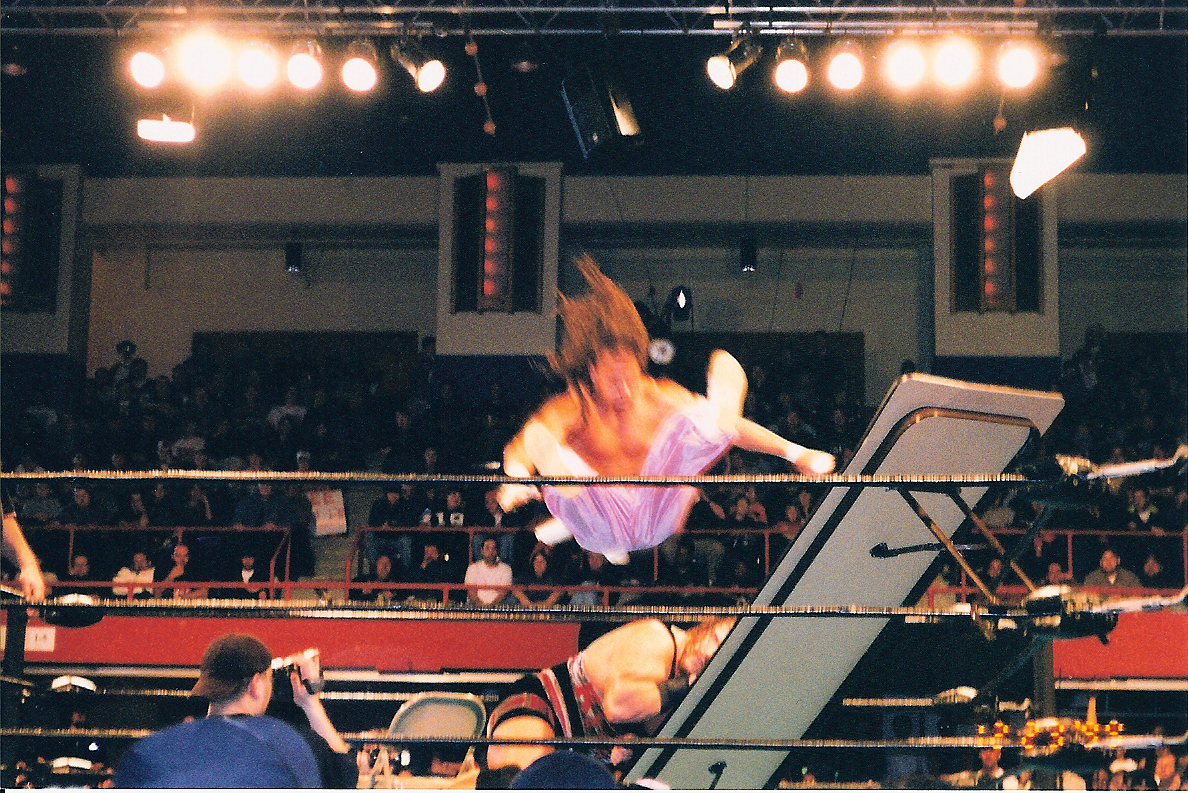
ECW cultivated a distinct identity through an emphasis on so-called "hardcore" wrestling—frequent use of weapons, bloody brawls, and rules that encouraged improvisation—while also showcasing international styles such as lucha libre and Japanese puroresu. Its events favored intense crowd interaction, passionate commentary, and a gritty production aesthetic. Many of the promotion's matches and angles were built to feel unpredictable and immediate, which helped ECW stand apart from larger, more polished competitors. The organization operated as a professional wrestling company with touring shows and recurring events centered on an intimate venue culture.
Founding and leadership
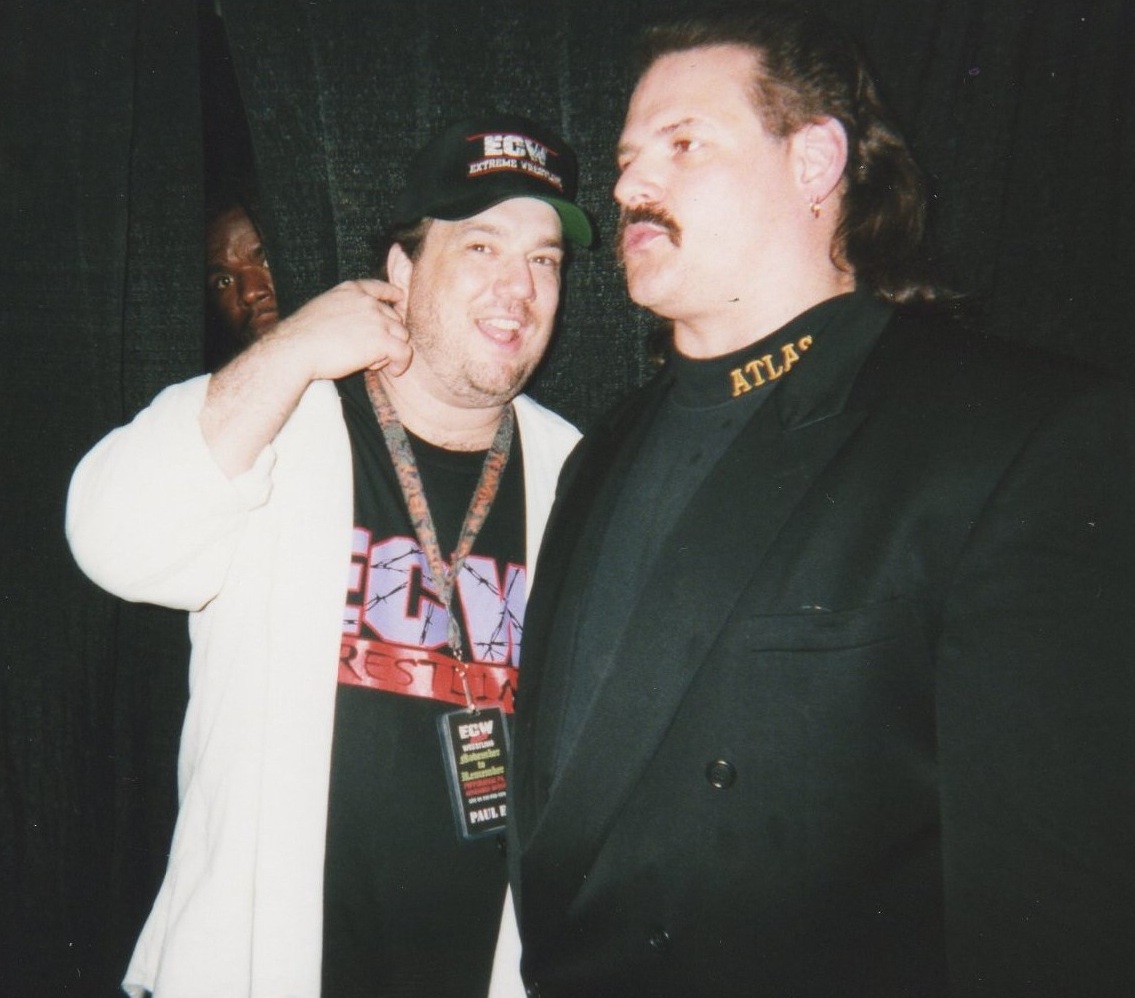
Originally owned by Tod Gordon, the company underwent a major change in 1995 when Paul Heyman became the driving creative force and later the owner. Heyman's approach emphasized unconventional storytelling, elevated mid-card performers, and a roster that mixed established names with rising independent stars. Under his stewardship ECW gained national attention and a fiercely loyal fanbase. For insight into Heyman's role and influence, see materials referenced by Paul Heyman.
Major events and corporate changes
ECW ran from April 1992 until financial difficulties culminated in bankruptcy and the promotion's operations ceased in April 2001. The company's assets and intellectual property were later acquired by a larger wrestling promotion, a fact often cited in discussions comparing company strategies and consolidation within the industry; for related context see World Wrestling Federation. Years after the original company closed, a pair of reunion pay‑per‑views in the mid-2000s brought ECW alumni back together and led to a short-lived revival as a branded division under the larger promotion, alongside legacy brands such as Raw and SmackDown.
Championships, notable performers, and events
ECW crowned its own world title and highlighted performers who became influential in the wider wrestling world. During the revival era, the reactivated ECW World Heavyweight Championship was once again prominent on programming, and its reintroduction was tied to marquee moments such as awarding the title to a crossover champion after a major event; see references tied to the belt and moments like the 2006 event, including ECW World Heavyweight Championship and the involvement of stars like Rob Van Dam. The reunion pay‑per‑view series that inspired the relaunch is often mentioned in coverage of ECW's post‑closure history, for example One Night Stand events.
Legacy and influence
- ECW popularized an edgier, more adult-oriented presentation that influenced 1990s mainstream wrestling creative directions.
- The promotion served as a proving ground for talent who later became major stars in larger companies or who shaped independent wrestling scenes.
- Its insistence on passionate crowd engagement and alternative production aesthetics helped normalize diversity in wrestling styles on national television.
- Though the original company closed in 2001, its culture and terminology—such as the word "extreme" to describe no‑holds‑barred content—remain part of wrestling parlance.
Today ECW is remembered less as a business model and more as a cultural touchstone that expanded the scope of what televised professional wrestling could portray. Its combination of visceral matches, boundary-testing creative, and an ardent fan community left a durable imprint on how promotions present intensity, risk, and fan loyalty.
Related articles
Author
AlegsaOnline.com Extreme Championship Wrestling (ECW): history, style, and legacy Leandro Alegsa
URL: https://en.alegsaonline.com/art/33037
Sources
- wwe.com : "WWE Brings ECW to Sci Fi Channel"
- f4wonline.com : "McMahon announces the end of ECW"