
Jamala (Susana Dzhamaladinova) — Ukrainian singer and Eurovision 2016 winner
Jamala (born Susana Dzhamaladinova, 27 Aug 1983) is a Ukrainian singer of Crimean Tatar descent who won Eurovision 2016 with "1944", a song evoking the 1944 deportation of Crimean Tatars.
Jamala, born Susana Dzhamaladinova on 27 August 1983, is a Ukrainian vocalist and songwriter who achieved international attention when she won the Eurovision Song Contest 2016. Her work blends elements of jazz, soul and Eastern European folk, and she is widely recognized for bringing personal and historical themes into popular music.
Image gallery
5 Images


Background and identity
Jamala is of Crimean Tatar heritage and has often drawn on that background in her art. She is described in many sources as a Ukrainian singer whose family history includes experiences of exile and loss. Those personal connections informed her most notable song, which addresses the mid-20th century fate of her people.
Career and musical style
Her career spans recording, live performance and occasional public commentary. Musically she is known for emotive vocals, a willingness to mix contemporary genres with traditional melodies, and lyrics that range from intimate storytelling to broader social themes. Critics and audiences have noted her expressive delivery and the atmospheric arrangements that support her voice.
Eurovision 2016 and the song "1944"
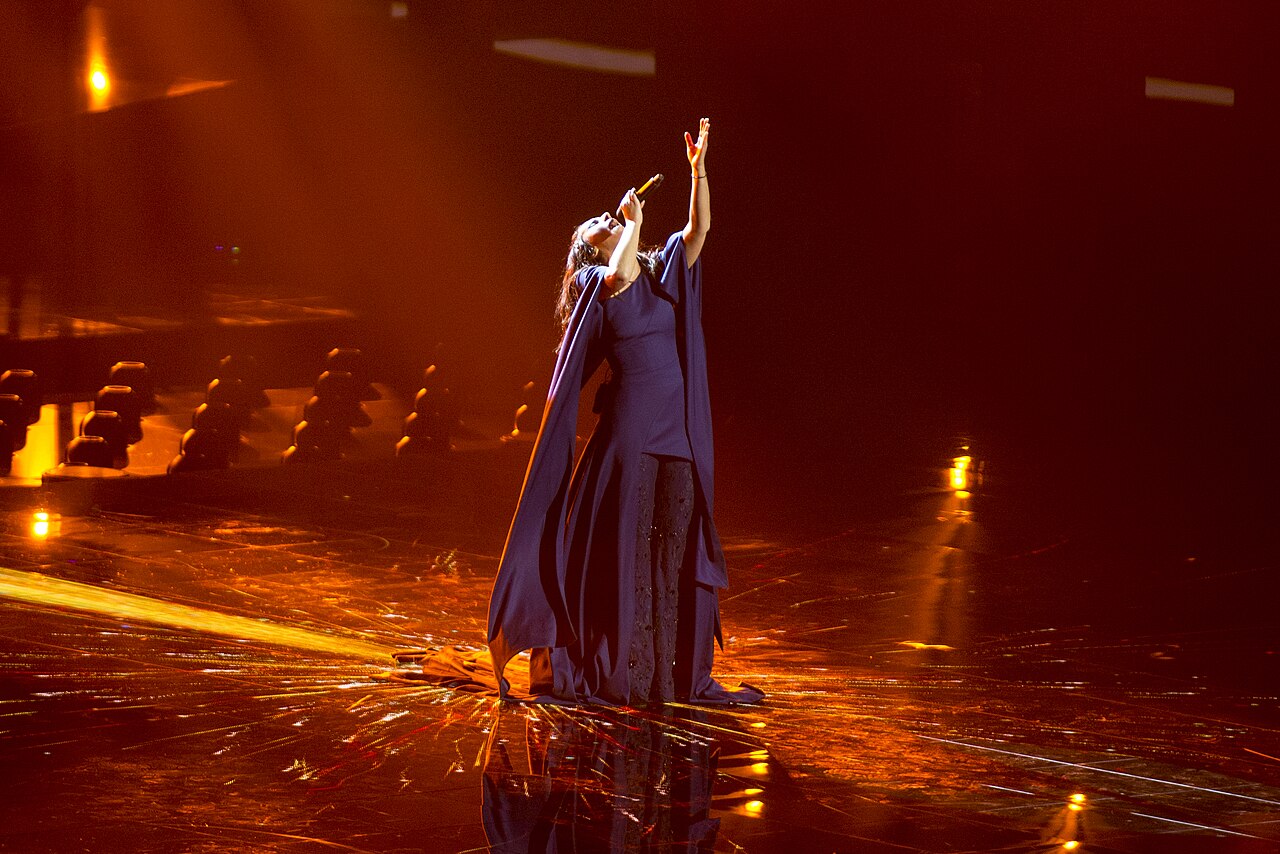
On 14 May 2016 Jamala won the contest with 534 points, performing a song titled "1944." The piece refers to the deportation of the Crimean Tatars in 1944 and also evokes the story of her great-grandmother, who lost a child during forced relocation to Central Asia. The entry prompted discussion about historical memory and whether contemporary contest rules should allow songs with political overtones; contest officials reviewed the song and allowed it to compete.
Significance and reception
- Artistic: The song combined personal narrative with historical events, bringing attention to a lesser-known episode of 20th-century history.
- Cultural: Her victory highlighted the presence and contributions of Crimean Tatars within Ukrainian cultural life.
- Public debate: The entry stimulated conversations about history, identity, and how music intersects with politics on international stages.
Jamala's win marked a major milestone in her career and introduced a wider audience to both her music and the history she references. Beyond that single achievement, she continues to perform, record and participate in cultural projects that reflect her mixed musical influences and personal heritage.
Related articles
Author
AlegsaOnline.com Jamala (Susana Dzhamaladinova) — Ukrainian singer and Eurovision 2016 winner Leandro Alegsa
URL: https://en.alegsaonline.com/art/121235
Sources
- bbc.com : "Ukraine's Jamala wins Eurovision 2016"
- qha.com.ua : "Jamala entered Eurovision-2016 national selection"
- bbc.com : Eurovision: Ukraine's entry aimed at Russia