
Blattodea: the order of cockroaches and termites
Blattodea is the insect order that unites cockroaches and termites; it covers their biology, evolution, ecological roles, and interactions with humans.
Overview
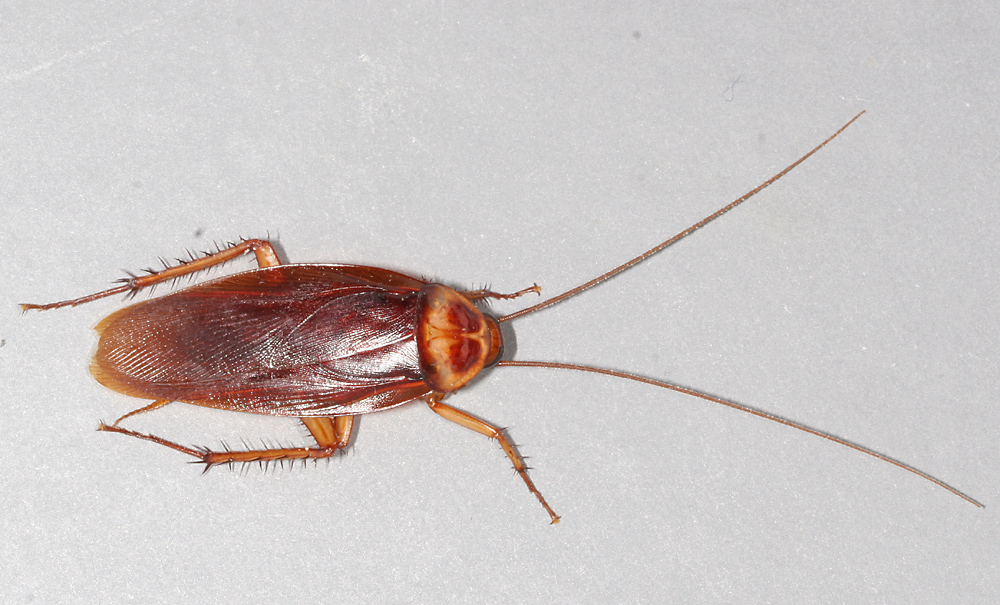
Blattodea is the scientific order that includes modern cockroaches and termites. Once treated as separate groups, termites are now placed within Blattodea based on morphological and molecular evidence. Members of this order range from solitary scavengers to highly social, colony-forming insects.
Image gallery
5 Images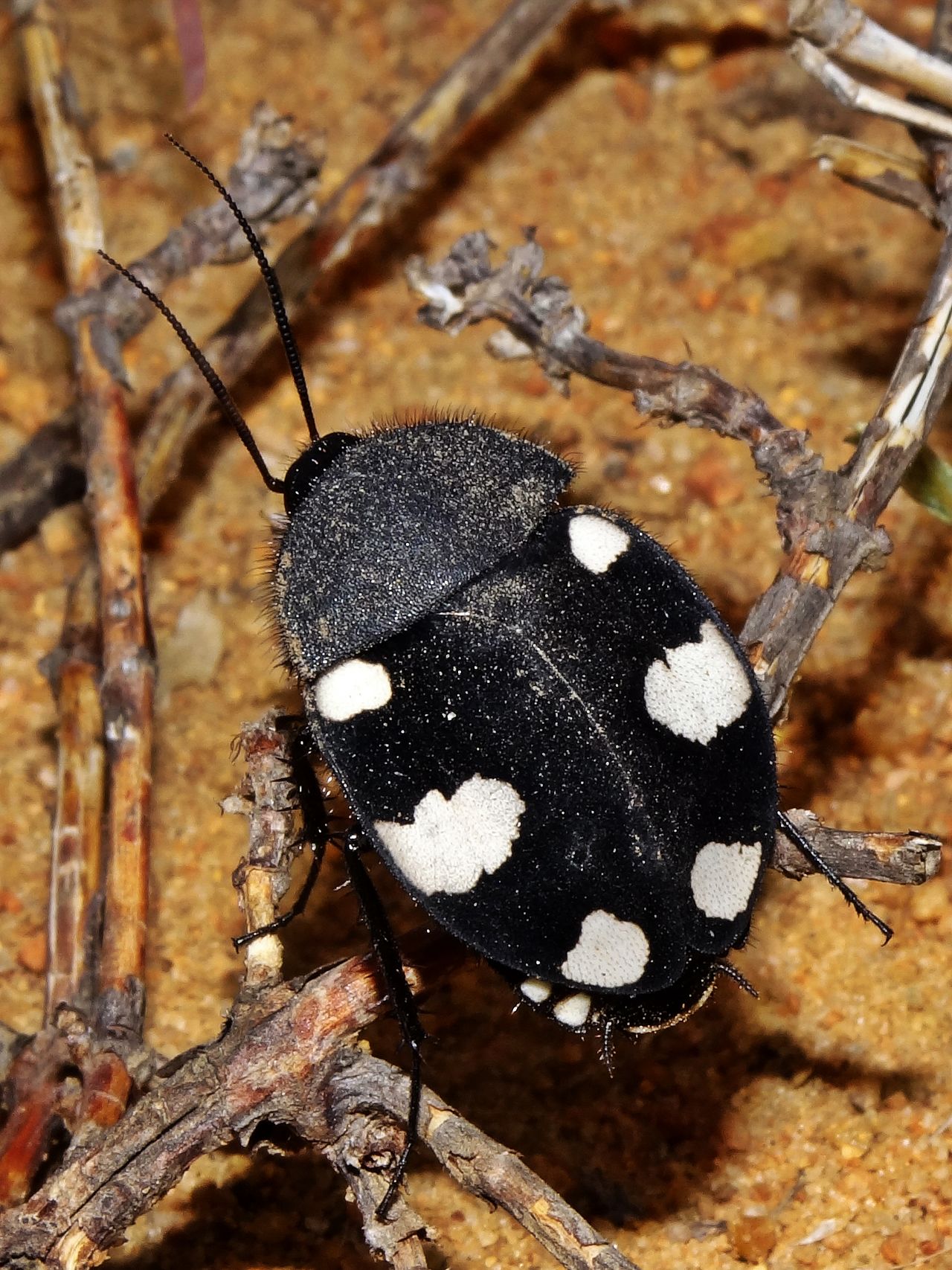


Key characteristics
Species in Blattodea share several recognizable features but also show wide diversity. Typical traits include a dorsoventrally flattened body, long antennae, and mouthparts adapted for chewing. Many have leathery forewings and softer hindwings, though wings may be reduced or absent in some castes or species.
- Development: hemimetabolous (incomplete metamorphosis) with nymph stages.
- Feeding: mostly detritivores or wood feeders, with some omnivores and predators.
- Behavior: ranges from solitary or gregarious cockroaches to eusocial termites with castes.
Evolution and classification
Recent studies support that termites evolved from wood-eating cockroach ancestors; molecular data and similarities in gut symbionts link them closely. The wood-feeding cockroach genus Cryptocercus is frequently cited as a living relative bridging cockroaches and termites. Fossil relatives resembling modern members appear deep in the insect record, showing a long evolutionary history.
Ecology and importance
Blattodeans play vital roles in ecosystems by breaking down plant material and recycling nutrients. Termite colonies are notable ecosystem engineers in many tropical and subtropical habitats, affecting soil structure and plant communities. Cockroaches serve as scavengers and prey for many predators and are often early colonizers of decomposing matter.
Human interactions and notable facts
Some cockroaches are household pests and can carry microbes, while many species pose no threat to people. Termites, linked here as termites, are economically important because of their ability to damage wooden structures, but they are also studied for their complex social systems and efficient digestion of cellulose. Both groups are subjects of ecological, behavioral and evolutionary research.
Understanding Blattodea illuminates insect social evolution, decomposition processes, and challenges in pest management while highlighting the diversity hidden within a single insect order.
Related articles
Author
AlegsaOnline.com Blattodea: the order of cockroaches and termites Leandro Alegsa
URL: https://en.alegsaonline.com/art/12118