
Jacques Delors: European Commission President and Architect of Integration
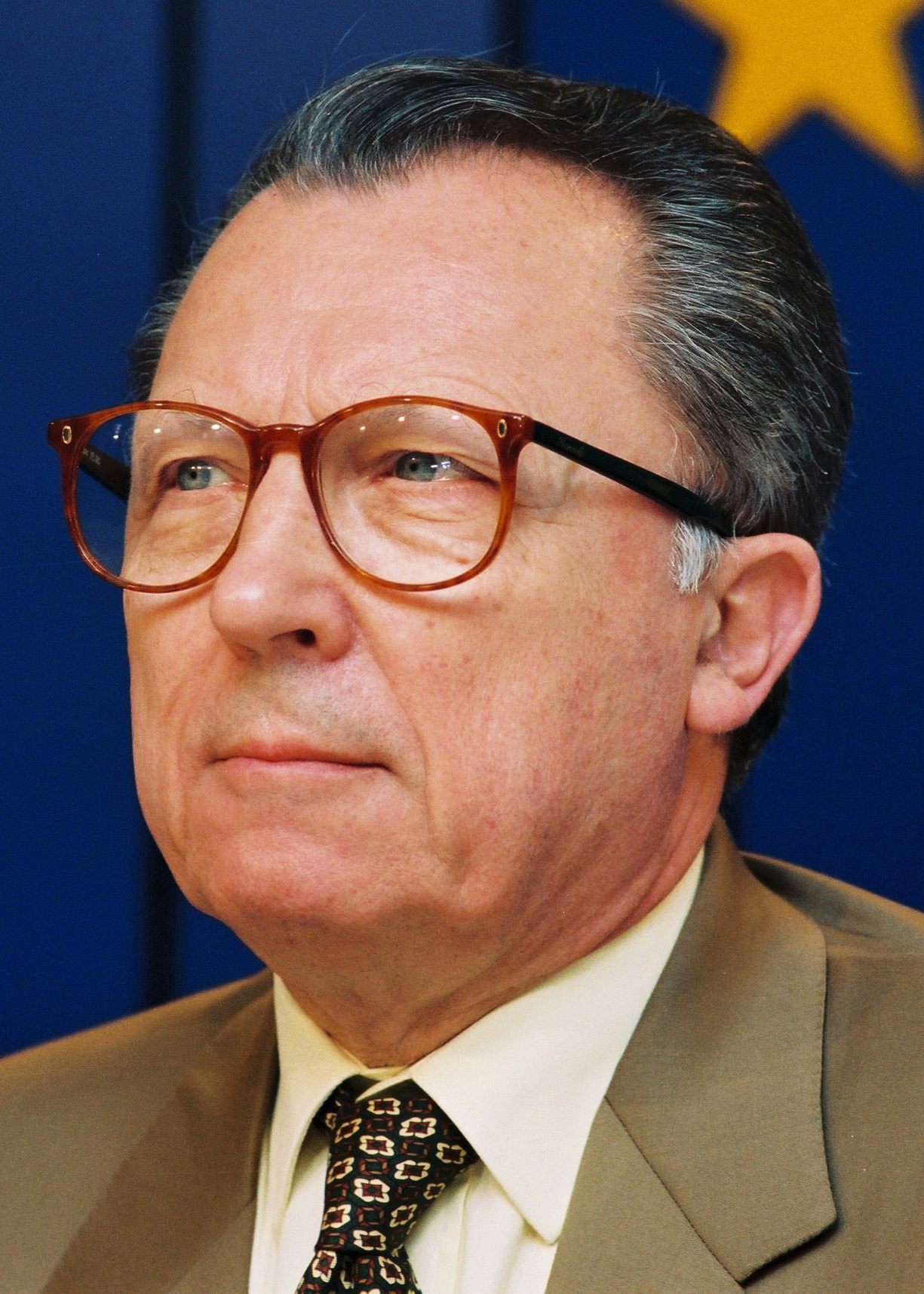
French politician Jacques Delors (b. 1925) led the European Commission (1985–1995), advanced the single market, steered work toward monetary union and promoted social dialogue within European integration.
Overview
Jacques Lucien Jean Delors (born 20 July 1925) is a French political leader and public figure best known for serving as President of the European Commission from 1985 to 1995. His decade in office is associated with renewed momentum for European integration, most visibly the drive to complete the internal market and the preparatory work that later contributed to economic and monetary union. Delors combined detailed policy work with a broad vision of a more cohesive Europe that paired market openness with social protections.
Image gallery
4 Images


Early life and political rise
Delors was born in Paris and pursued higher education at the University of Paris. He entered public service and had close ties with trade-union movements before moving into elected and ministerial roles. He was elected as a Member of the European Parliament in the first direct elections in 1979 and served there until he returned to France to become Minister of Finance in the early 1980s. That combination of national fiscal responsibility and first-hand experience in European institutions helped shape his approach when he later led the Commission.
President of the European Commission (1985–1995)
As President of the European Commission, Delors pushed for a series of practical measures to reduce barriers to trade and movement within the Community, aiming to complete a genuine internal market. His Commission worked to build consensus among member states, the European Parliament and social partners and to pursue reforms that strengthened the Community's policy capacity. Delors's tenure is frequently credited with reviving institutional confidence and with promoting a pragmatic path toward deeper cooperation.
Key initiatives and institutional work
Major themes of Delors's leadership included:
- Completion of the single market: systematic removal of regulatory, technical and physical impediments to the free movement of goods, services, people and capital.
- Social dialogue and social Europe: emphasis on consultation with labour and employer organisations to accompany market integration with social protections and negotiated solutions.
- Monetary union groundwork: Delors chaired a high-profile expert committee that outlined staged steps toward economic and monetary union, providing one of the key blueprints that informed later treaty work.
- Institutional reform: efforts to adapt Community institutions and decision-making to a larger, more integrated Europe so policies could be implemented more effectively.
Later life, honors and influence
After leaving the Commission, Delors remained engaged in European affairs as an adviser, writer and founder of a Europe-focused research and policy forum. He continued to speak and write on enlargement, social Europe and institutional capacity, seeking to influence public debate on the Union's direction. In recognition of his long contribution to European integration, he was named an Honorary Citizen of Europe; the announcement was made by Donald Tusk as a formal acknowledgment of Delors's role in shaping the project.
Personal life and family
Delors has maintained a relatively private personal life while remaining publicly active on European questions. He is married to Marie Lephaille and is the father of Martine Aubry, a prominent French politician. Aubry has served as mayor of Lille and has been an important figure in the French Socialist Party; she is frequently referenced in accounts of Delors's family and public life. Readers seeking institutional context may consult references to the European Commission and Delors's earlier service in the European Parliament, while biographical and local details are often connected to his upbringing in Paris and his studies at the University of Paris.
Delors is widely remembered as a pragmatic pro-integration leader who sought to reconcile market efficiency with social cohesion. His decade as Commission President remains a frequent point of reference in histories of the European Union and in contemporary debates about how institutions, economic policy and social protections can be balanced in a deeper Union. For further reading on his family and political connections, see materials related to Martine Aubry and her public roles.
Related articles
Author
AlegsaOnline.com Jacques Delors: European Commission President and Architect of Integration Leandro Alegsa
URL: https://en.alegsaonline.com/art/121176
Sources
- ec.europa.eu : European Commission – Discover the former Presidents
- consilium.europa.eu : "Invitation letter by President Donald Tusk to the members of the European Council - Consilium"
- citymayors.com : "Martine Aubry Mayor of Lille*"