
Jacques Herlin
French character actor (1927–2014) active from the 1950s to 2014, known for small but memorable supporting roles across European and international films and for his facility with several languages.
Jacques Herlin (born Jacques de Jouette, 17 August 1927 – 7 June 2014) was a prolific French character actor whose screen and stage career spanned more than half a century. He became noted for brief, distinctive supporting parts that added color and credibility to comedies, dramas and international co-productions. Though seldom cast as a leading man, his reliable presence—often urbane, officious or gently comic—made him a familiar face in European cinema.
Image gallery
1 Image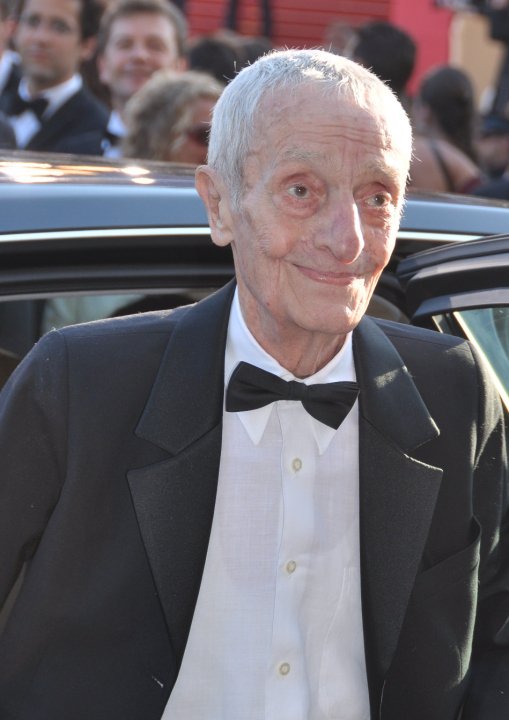
Early life and background
Herlin was born in Le Vésinet, in the Yvelines department near Paris. Public accounts emphasize his long career rather than private details; he trained and worked in repertory theatre before moving steadily into film and television. Like many character actors of his generation, he built a durable professional identity through versatility and a steady stream of supporting roles rather than through celebrity.
Stage, radio and television work
In addition to film, Herlin worked on stage and appeared in television productions and radio plays. These media provided regular employment and opportunities to refine timing, diction and character work. His theatre background contributed to the precision of his small-screen and film performances, where economy of gesture and clear speech often defined his most effective roles.
Film career and notable roles
Herlin began appearing on screen in the mid-1950s and established himself as a dependable supporting actor. Early film credits included comic and light entertainment such as Don Camillo in Moscow (1965) and Sexy Susan Sins Again (1968). Over the decades he took parts in films by a range of directors and in internationally distributed pictures, including Property Is No Longer a Theft (1973), National Lampoon's European Vacation (1985), Ridley Scott's A Good Year (2006), Xavier Beauvois's Of Gods and Men (2010) and Benoît Jacquot's Farewell, My Queen (2012). His roles were commonly short but memorable—clerks, officials, priests, diplomats and eccentrics whose brief appearances helped advance plot or provide comic relief.
Acting style and professional approach
Herlin's acting style is best described as economical and adaptable. He specialized in adding credibility to a film's world without drawing attention away from central characters. Directors valued his capacity to embody a compact, believable personality within a single scene. This professionalism and his good-natured approach to small roles explain the longevity of his career.
Languages and international work
Herlin worked across several national film industries. In addition to French, he spoke English, German and Italian, which allowed him to take parts in original language tracks or to appear credibly in multilingual productions. That facility made him a frequent choice for European co-productions and for films aimed at international markets where authentic supporting players were required.
Legacy and recognition
While Herlin did not seek the visibility of leading-role stardom, his long résumé illustrates a common and important model of an acting career: steady work, range and reliability. Film scholars and enthusiasts often point to performers like him when discussing the importance of supporting players in shaping a film's tone and environment. By the latter years of his life he had become one of those instantly recognisable faces that audiences welcome in a wide variety of films.
Death and selected film highlights
Jacques Herlin died on 7 June 2014 in a hospital in Paris, aged 86. His body of work offers many entry points for those interested in twentieth- and twenty-first-century European cinema. Representative titles include:
- Don Camillo in Moscow (1965)
- Sexy Susan Sins Again (1968)
- Property Is No Longer a Theft (1973)
- National Lampoon's European Vacation (1985)
- A Good Year (2006)
- Of Gods and Men (2010)
- Farewell, My Queen (2012)
For fuller filmographies and archival material, consult film databases, national film institutes and retrospective essays that document the contributions of character actors. Further biographical summaries and regional filmographies are available in specialist sources and collections that trace careers across stage, radio, television and cinema. Biographical summaries and credits can provide additional context for his long and steady career.
Related articles
Author
AlegsaOnline.com Jacques Herlin Leandro Alegsa
URL: https://en.alegsaonline.com/art/121179