
Donald Tusk
Polish politician and statesman, former Prime Minister of Poland (2007–2014) and President of the European Council (2014–2019), known for pro-European stances and leadership of the Civic Platform party.
Donald Franciszek Tusk (born 22 April 1957) is a Polish politician and statesman who has held leading offices at both national and European levels. He served as Prime Minister of Poland from 2007 to 2014 and was elected President of the European Council in 2014, with a reappointment in 2017. He is closely associated with the Civic Platform party, which he helped build into one of the country's largest political groupings, and with Poland's post-1990s pro-European mainstream.
Born and raised in the port city of Gdańsk, Tusk studied history at the University of Gdańsk and became involved in the democratic opposition and trade-union activism that shaped late-Communist Poland. His early career combined scholarly work with political organizing during a period of rapid social and institutional change in Poland. These formative experiences informed his emphasis on European integration and market-oriented reforms in later office.
Image gallery
10 Images


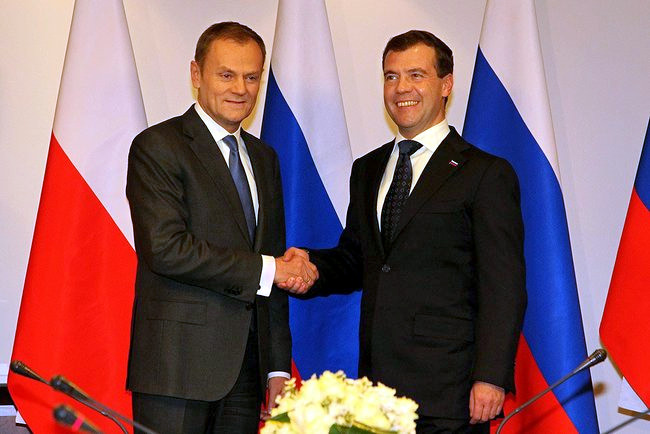


Career and major offices
Tusk's public career spans local politics, party leadership and high offices in both Warsaw and Brussels. Key positions include:
- Prime Minister of Poland (2007–2014) — led coalition governments and promoted policies aimed at economic growth and closer ties with the European Union.
- Leader of Civic Platform — a centre-right, pro-European party that played a central role in Polish politics in the 2000s and 2010s. See Civic Platform for party background.
- President of the European Council (2014–2019) — represented EU member states at the highest political level and coordinated collective responses to EU-wide challenges.
- Longstanding public figure in Polish national life and a regular participant in international forums on European policy; Poland itself is often discussed in analyses of his career (Poland).
Policies, style and impact
Tusk is generally identified with a pragmatic, pro-European, centre-right outlook. While prime minister, his governments prioritized economic stabilization, infrastructure investment and attracting foreign investment, and they emphasized Poland's active role within the European Union. As President of the European Council he focused on consensus-building among EU leaders during a period marked by geopolitical tensions, migration debate and economic uncertainty.
Throughout his career Tusk has been a polarizing figure domestically: admired by supporters for steadiness and international standing, criticized by opponents for political decisions and the compromises inherent in coalition governance. His trajectory—from Solidarity-era activism and academic study to national leadership and an EU-level presidency—illustrates the routes by which post-Communist Polish politicians have shaped both national reform and European integration.
For further reading about institutions and parties associated with Tusk, consult entries on Prime Minister of Poland, Civic Platform, the country of Poland, and the European Council.
Related articles
Author
AlegsaOnline.com Donald Tusk Leandro Alegsa
URL: https://en.alegsaonline.com/art/117814
Sources
- bbc.com : "Poland fails to stop Donald Tusk EU re-election"