
Jacob Epstein — pioneer of British modern sculpture
Jacob Epstein (1880–1959), American‑born British sculptor known for pioneering modernist public sculpture, controversial figurative works, portrait busts, and major pieces such as Rock Drill and Ecce Homo.
Overview
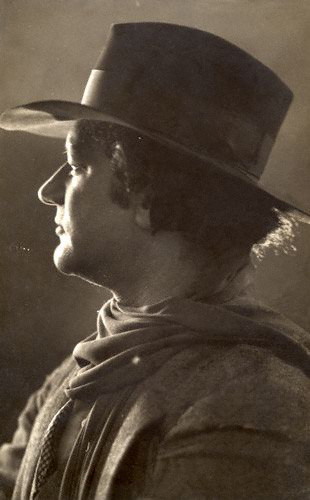
Sir Jacob Epstein (10 November 1880 – 19 August 1959) was an American‑born sculptor who became a central figure in early 20th‑century British modernism. He moved to Europe in 1902 and settled in London, becoming a British citizen in 1911. Epstein worked in sculpture, painting and drawing and is best known for his bold public commissions, portrait heads and experimental works that brought continental modernist ideas into British public art. He was awarded a knighthood (KBE) late in life in recognition of his contribution to sculpture.
Image gallery
10 Images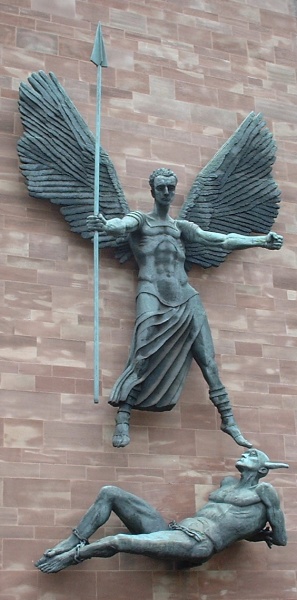


Early life and training
Born in the United States to a Jewish family of Eastern European origin, Epstein received early training that combined academic study and hands‑on apprenticeship. After relocating to Europe he studied briefly in Paris, where exposure to avant‑garde painting and sculpture influenced his move away from strict Victorian naturalism toward a more direct, often archaic, formal language. He drew on a wide range of sources, including classical sculpture, medieval carving and non‑Western art, to develop a personal, expressive approach.
Career and major works
Epstein produced an extensive body of portrait heads and public commissions. His portrait busts are praised for their psychological insight and sculptural clarity and many are held in public collections. Two works often cited as central to his reputation are Rock Drill (c.1913–14) and Ecce Homo. Rock Drill, an experimental, machine‑like figure, aligned Epstein with early avant‑garde explorations and a fragment of the work is associated with the Museum of Modern Art (MoMA) in New York City. Ecce Homo, created for the old Coventry Cathedral, drew attention for its stark, modern treatment of a sacred subject.
Style and themes
Epstein combined vigorous, tactile modeling with an interest in simplified, often monumental forms. His works range from naturalistic portraiture to rough, almost primitive large figures that foreground materiality and presence. Common themes include the human body, mortality and the spiritual or ritual aspects of the figure. He frequently worked directly in stone and bronze, producing both finished monuments and models for architectural sites.
Public commissions and controversies
Many of Epstein's civic and architectural works were installed on prominent buildings and in public spaces. His figures for central London sites remain visible to visitors; examples of his architectural reliefs and statues can be seen on the Strand (the Strand) and in locations near Trafalgar Square. Commissions such as the sculptures for the building widely referred to as Zimbabwe House attracted attention and sometimes public criticism. Reviews in the press and disputes over taste and decency marked several episodes of his career, reflecting wider debates about the place of modern art in public life.
Reception and legacy
Although his forthright style and choice of subject matter provoked controversy in his lifetime, Epstein came to be regarded as a formative figure in British sculpture. His work influenced subsequent generations of sculptors and continues to be included in exhibitions and surveys of early modernism and public art. Museums and galleries keep important works in their collections and scholarship has examined his role in shifting attitudes to the human figure and monumental sculpture in the 20th century (modern sculpture, further resources).
Collections and where to see his work
- Portrait heads and busts in national collections and the National Portrait Gallery in central London.
- Key modernist pieces represented in museum collections such as MoMA in New York City.
- Architectural reliefs and public monuments visible on the Strand and around Trafalgar Square, and the reliefs on Zimbabwe House.
Further reading and resources
For a deeper study consult museum catalogues, exhibition essays and survey works on early 20th‑century sculpture. Major museums and national collections provide curated entries and images that document Epstein's career and the debates his work provoked. Online resources and library catalogues also guide research into individual commissions, portraiture and Epstein's place in the development of public modernism (further resources, modern sculpture).
Questions and answers
Q: Who was Sir Jacob Epstein?
A: Sir Jacob Epstein was a British sculptor who was born in the United States and became a British citizen in 1911. He was a pioneer of modern sculpture and produced controversial works that challenged traditional subject matter.
Q: When did Sir Jacob Epstein move to Europe?
A: Sir Jacob Epstein moved to Europe in 1902.
Q: What is notable about Sir Jacob Epstein's portrait heads?
A: Sir Jacob Epstein's portrait heads were traditional.
Q: Did Sir Jacob Epstein only sculpt or did he engage in other art forms?
A: In addition to sculpting, Sir Jacob Epstein also made paintings and drawings.
Q: What are some famous sculptures by Sir Jacob Epstein?
A: Some famous sculptures by Sir Jacob Epstein include Ecce Homo (Old Coventry Cathedral) and Rock Drill (1913-1914, Museum of Modern Art, New York City), although there are no existing images of these works. Sculptures by Epstein can also be seen outside Zimbabwe House in London, and several of his busts are on display at the National Portrait Gallery in London.
Q: Was Sir Jacob Epstein's work well-received during his lifetime?
A: Sir Jacob Epstein's work often generated controversy due to its challenging subject matter, but he also frequently exhibited his work.
Q: What is Sir Jacob Epstein's legacy?
A: Sir Jacob Epstein is remembered as a pioneer of modern sculpture, who produced works that broke traditional taboos and opened up new realms of artistic expression.
Related articles
Author
AlegsaOnline.com Jacob Epstein — pioneer of British modern sculpture Leandro Alegsa
URL: https://en.alegsaonline.com/art/121158
Sources
- books.google.com : Epstein, Sir Jacob
- books.google.com : Academic American encyclopedia
- britannica.com : Sir Jacob Epstein (British sculptor)
- books.google.com : Futurism & Futurisms
- carrickhill.sa.gov.au : Jacob Epstein