
Hezekiah: King of Judah — reforms, crisis, and legacy
Hezekiah was a Judean king celebrated for major religious reforms, resistance to Assyria, a dramatic recovery from illness, and a legacy preserved in biblical and archaeological sources.
Hezekiah is a central figure in the Hebrew Bible, remembered for his religious reforms and for confronting major political threats to Judah. His name—often rendered in Hebrew as Ḥizqiyyāhu and in alternate transliterations such as Ḥizkiyyahu—also appears in Greek sources as Ezekias. He is described as a king of Judah who sought to restore centralized worship and moral renewal, and whose reign is narrated in the biblical histories 2 Kings and 2 Chronicles.
Image gallery
10 Images


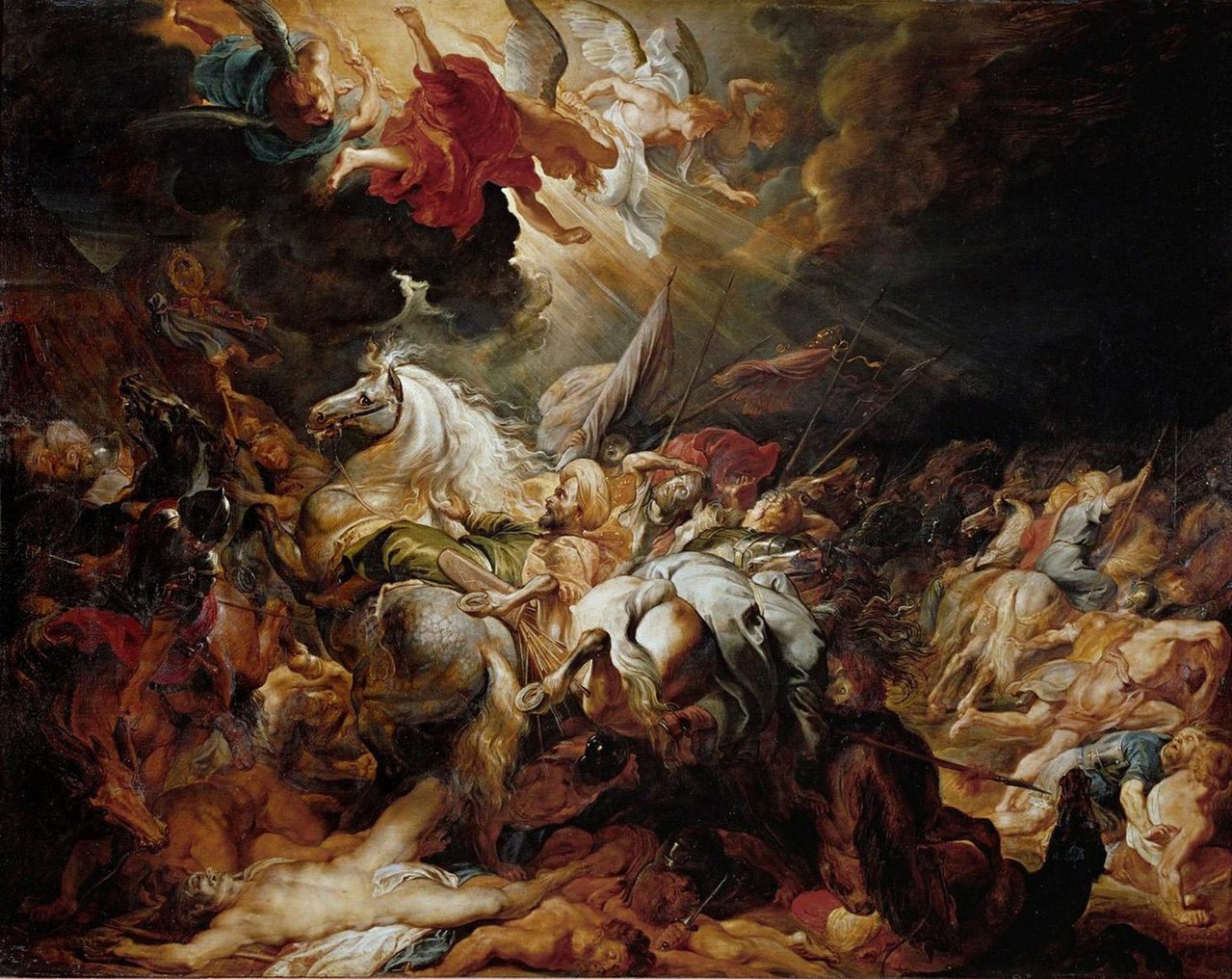


Overview and reign
Hezekiah succeeded his father and is portrayed as one of the few Judean rulers commended without reservation by the biblical authors for his faith and reforms. As a king of Judah, he enacted measures aimed at undoing the syncretistic practices that had expanded under earlier rulers, concentrating worship in the Jerusalem Temple and promoting observance of religious festivals. The biblical narrative compares his devotion favorably with that of David and, in some respects, with Solomon, especially in the restoration of temple liturgy and in the celebration of the Passover.
Religious reforms and domestic policies
Primary sources describe Hezekiah's domestic agenda as an attempt to reestablish the Temple as the focal point of Israelite religion. His reforms typically listed include:
- Removal of local high places and cult objects.
- Reconstitution of Temple personnel and rites.
- Promotion of national observances such as the Passover.
- Economic and administrative measures that increased the royal treasuries and public offerings (wealth).
These efforts are framed in the biblical accounts as both spiritual renewal and centralization of authority during his reign.
Foreign policy, crisis, and illness
Hezekiah's era coincided with major Near Eastern upheaval. Assyrian expansion threatened Judah, and the kingdom faced military pressure that tested its alliances and resources. A dramatic episode concerns Hezekiah's serious illness: prophetic accounts report that he prayed and was granted an extension of life—commonly described as an additional fifteen years. Later, envoys from the king of Babylon visited Jerusalem; according to the texts, Hezekiah showed them his treasures and armory. The prophet (a prophetic figure) and specifically Isaiah foresaw that those riches would one day be carried off—an admonition recorded as a prediction in the narrative.
Archaeological and historical context
Hezekiah's reign is one of the better-attested in the Iron Age Levant because literary records can be compared with external inscriptions and material remains. Archaeological finds associated with this period include major engineering works attributed to his rule—most famously a water conduit often called the Siloam Tunnel—and Assyrian annals that record a campaign in the region around the time traditionally associated with his kingship. These sources provide a broader context for understanding Judah's political and economic position amid rising empires.
Legacy and significance
Hezekiah's story functions on multiple levels: as a religious exemplar in the biblical tradition, as a political actor confronting imperial pressure, and as a subject of scholarly study where textual and archaeological evidence meet. His reforms shaped later Jewish memory of centralized Temple worship and festival life; his dealings with foreign powers and his medical recovery are cited as moral and theological lessons in later scriptural reflection. Modern study of his reign balances the theological portrait with material data to sketch a more complex picture of a ruler navigating faith, statecraft, and survival in a turbulent period.
Further reading and references to primary passages and translations appear in canonical books such as 2 Kings and 2 Chronicles, and in commentaries and historical studies noted by scholars and general readers alike (Hebrew name, alternative form, Greek form, dynastic title, Davidic comparisons, Solomonic parallels, festival reforms, material wealth, chronological notes, reports of the Babylonian envoys, the role of prophecy and figures like Isaiah, and the prophetic prediction about foreign expropriation).
Related articles
Author
AlegsaOnline.com Hezekiah: King of Judah — reforms, crisis, and legacy Leandro Alegsa
URL: https://en.alegsaonline.com/art/120624
Sources
- tools.wmflabs.org : 2 Kings 18:5,6
- tools.wmflabs.org : 2 Kings 20
- tools.wmflabs.org : 2 Chronicles 32:27-31
- tools.wmflabs.org : 2 Kings 25